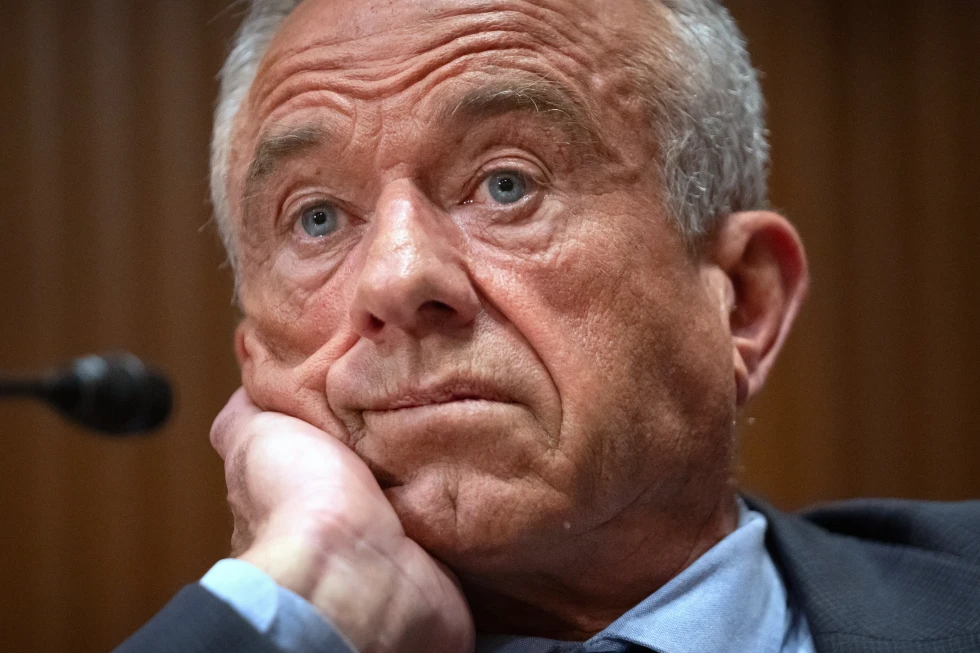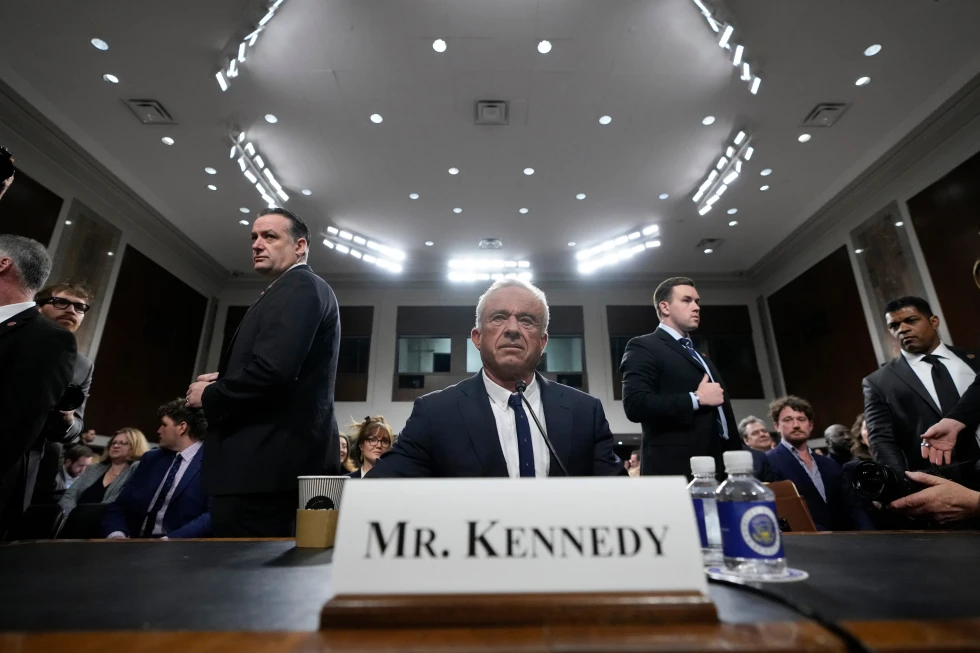
NEW YORK (AP) — Since Robert F. Kennedy Jr. was sworn in to lead the U.S. Department of Health and Human Services, he has defended his upending of federal health policy by asserting that the changes will restore trust in America's public health agencies. However, his tenure has been marked by a controversial rollback of immunization guidance, dismissive rhetoric towards scientists and advisors, and confrontations with medical groups who contend he is 'not following the science.'
This clash has deepened the existing confusion in the public regarding health information, a state of affairs exacerbated by the misinformation prevalent during the COVID-19 pandemic. Polls indicate that public trust in the agencies under Kennedy's oversight is declining at an alarming rate.
Kennedy maintains that he is promoting transparency meant to empower individual health choices. Yet, countering this narrative, medical professionals express concerns that the unverified information he disseminates poses significant risks. If vaccination uptake continues to decline, they argue that the result could be an alarming increase in preventable diseases and fatalities.
Public sentiment towards health agencies has shifted dramatically since the pandemic, with trust falling significantly in the wake of perceived missteps by the CDC. Once regarded favorably, polling data shows that the CDC's approval rating dipped to just 40% during the pandemic and has struggled to recover following Kennedy’s changes.
Kennedy's critics argue that his past as a leading voice in the anti-vaccine movement complicates his current mission to restore public trust—a trust he arguably played a role in eroding. Direct interventions by medical authorities and state governments aimed at countering Kennedy’s policies reflect a broader rejection of his approach, highlighting a critical moment in public health discourse.
Kennedy’s policies have raised alarms among many healthcare professionals, who have called for investigations into how vaccine scheduling shifts were implemented without public consultation. As tensions increase, communities face growing uncertainty about vaccination strategies and a resurgence of diseases previously under control, bringing about calls for reevaluation of public health strategies moving forward.
This clash has deepened the existing confusion in the public regarding health information, a state of affairs exacerbated by the misinformation prevalent during the COVID-19 pandemic. Polls indicate that public trust in the agencies under Kennedy's oversight is declining at an alarming rate.
Kennedy maintains that he is promoting transparency meant to empower individual health choices. Yet, countering this narrative, medical professionals express concerns that the unverified information he disseminates poses significant risks. If vaccination uptake continues to decline, they argue that the result could be an alarming increase in preventable diseases and fatalities.
Public sentiment towards health agencies has shifted dramatically since the pandemic, with trust falling significantly in the wake of perceived missteps by the CDC. Once regarded favorably, polling data shows that the CDC's approval rating dipped to just 40% during the pandemic and has struggled to recover following Kennedy’s changes.
Kennedy's critics argue that his past as a leading voice in the anti-vaccine movement complicates his current mission to restore public trust—a trust he arguably played a role in eroding. Direct interventions by medical authorities and state governments aimed at countering Kennedy’s policies reflect a broader rejection of his approach, highlighting a critical moment in public health discourse.
Kennedy’s policies have raised alarms among many healthcare professionals, who have called for investigations into how vaccine scheduling shifts were implemented without public consultation. As tensions increase, communities face growing uncertainty about vaccination strategies and a resurgence of diseases previously under control, bringing about calls for reevaluation of public health strategies moving forward.