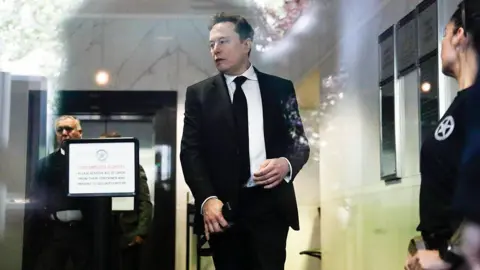
As the 2026 midterm elections approach, social media activity has intensified, particularly with figures like Elon Musk advocating for changes to voter ID laws in the United States. In a recent post, Musk claimed that, unlike many democratic countries, the U.S. has lax voter ID requirements, specifically stating that it's illegal to present an ID in California and New York.
America should not have worse voter ID requirements than every democratic country on Earth, Musk declared, garnering significant attention with over 310,000 likes and shares. However, his claims misrepresent the actual voter ID policies in these states.
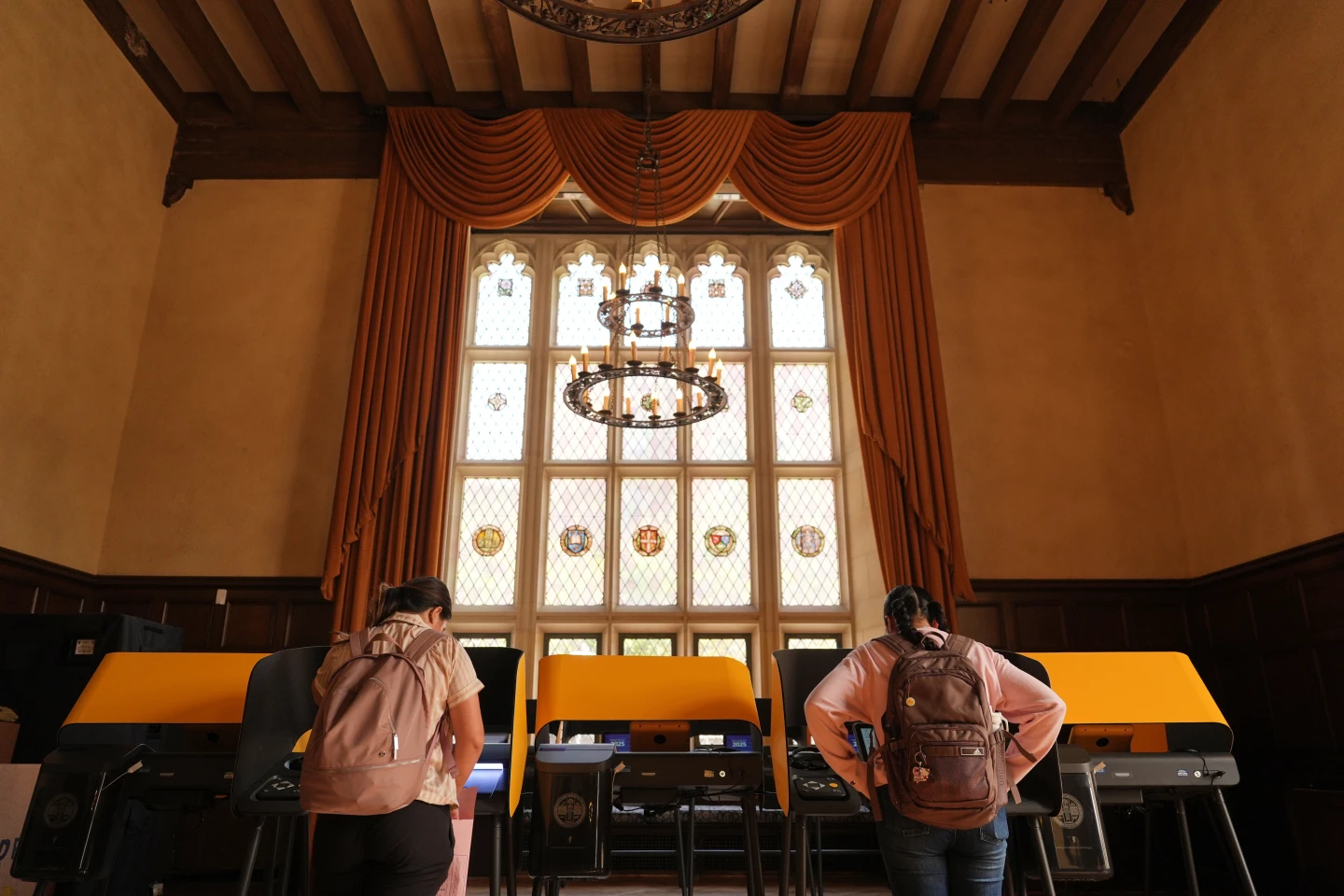
The assertion that showing ID is illegal in New York and California is inaccurate. While both states have specific guidelines regarding voter registration that involve ID verification, the requirement for ID when casting a ballot is not as strict as Musk implied. Official sources clarify that voters are only asked for identification under particular circumstances at polling places.
Kathleen McGrath of the New York State Board of Elections stated, There is nothing unlawful about a voter presenting a form of photo identification at a poll site... but this cannot be legally required. The similar stance from California's Secretary of State emphasizes that voters may present ID voluntarily when voting.
In reality, voters in New York must provide either a Department of Motor Vehicles number or the last four digits of their Social Security number when registering. An ID can also be requested at polling places if a voter's identity cannot be verified ahead of Election Day.
California law follows suit, requiring ID only in particular cases, mainly during first-time voting if the voter registered by mail or online without providing a driver’s license number.
Musk’s post included a misleading graphic that grouped the U.S. with countries that supposedly lack ID requirements, despite some exceptions in the original document. Countries like New Zealand allow votes without presenting ID, debunking Musk's argument further.
In conclusion, while advocates for stricter voter ID laws may find resonance in Musk's online influence, the facts show that New York and California's voting regulations are more nuanced than the billionaire's claims suggest. It underscores the importance of verified information in ongoing discussions about election integrity and accessibility.