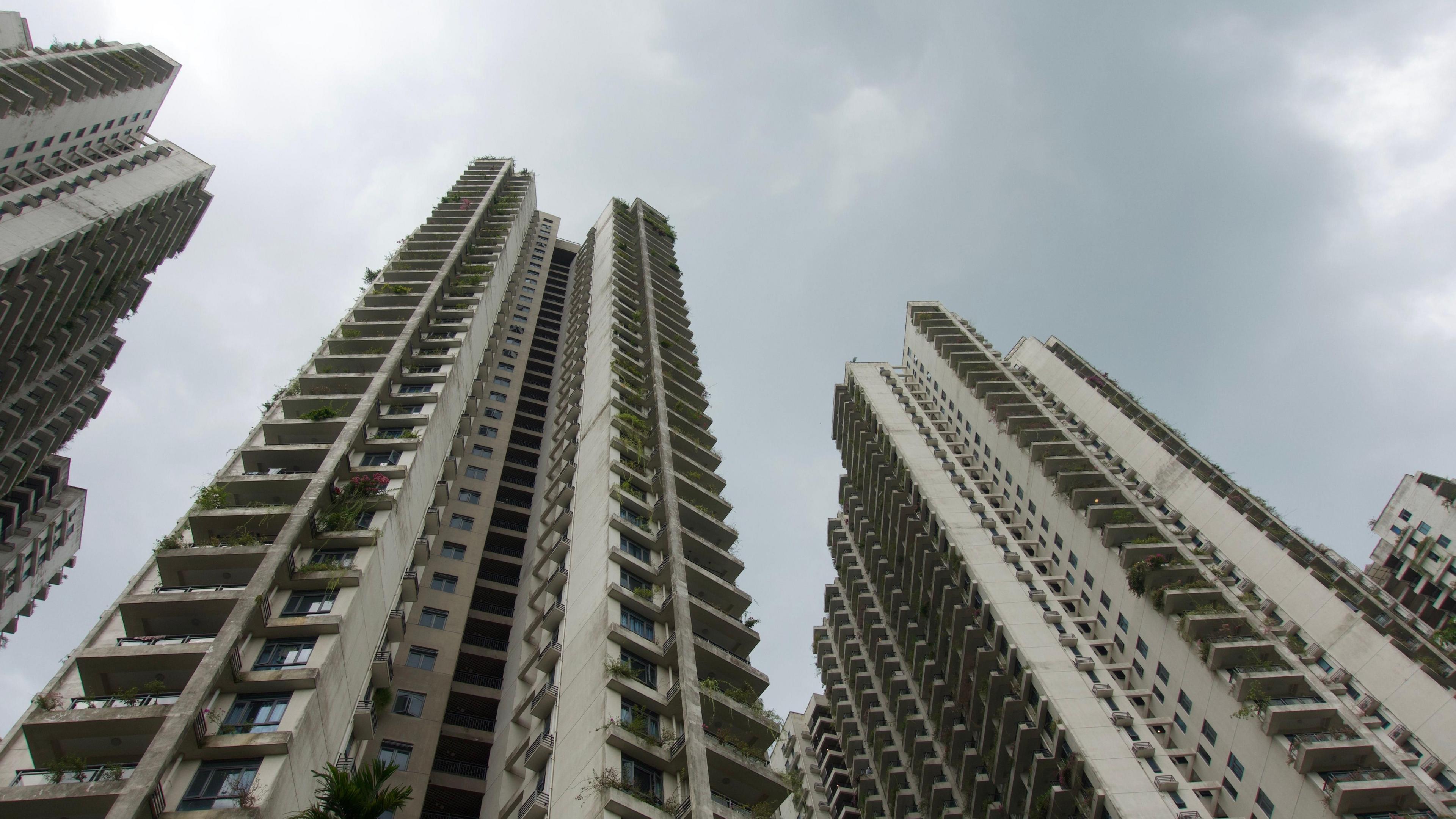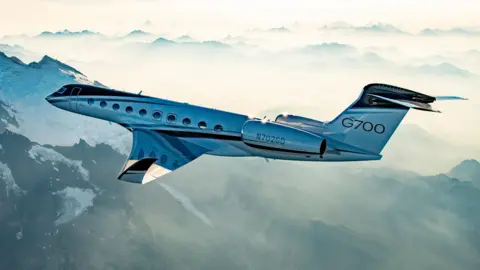
The state’s mountains are built for private jets, but the skyline of Bozeman tells a different story.
Since the pandemic, the town has added roughly 20% of 2019 residents – a jump that has turned the quiet outpost into a bustling hotspot for the affluent.
A single out-of‑state visitor arriving on a private aircraft carries a weekend of wealth that competes with the old‑town economy.
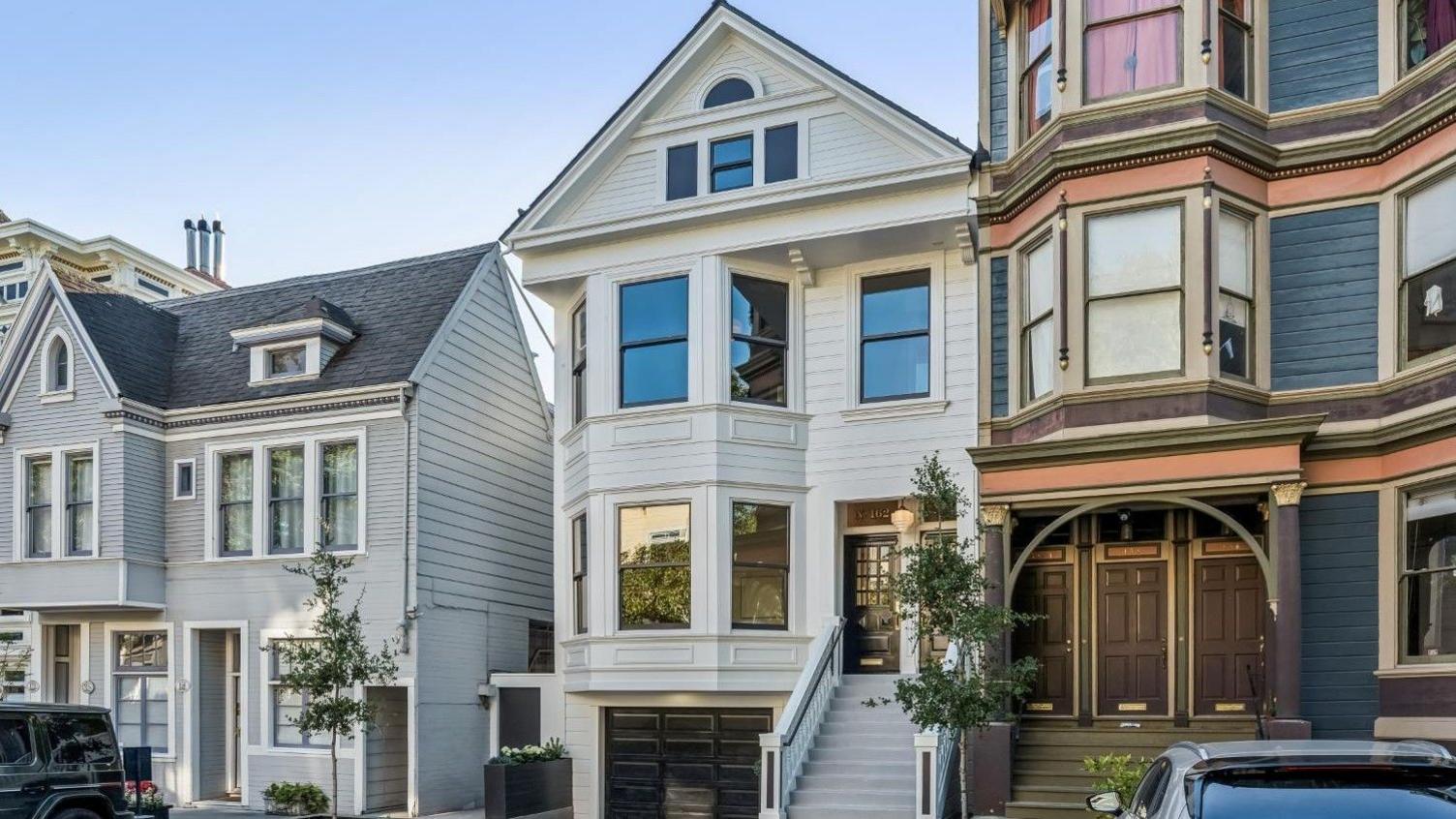
Property prices have doubled, and new developments appear every month. Yet the rent surge has pushed local households – many living in two‑bedmobile‑home parks – over a cliff.
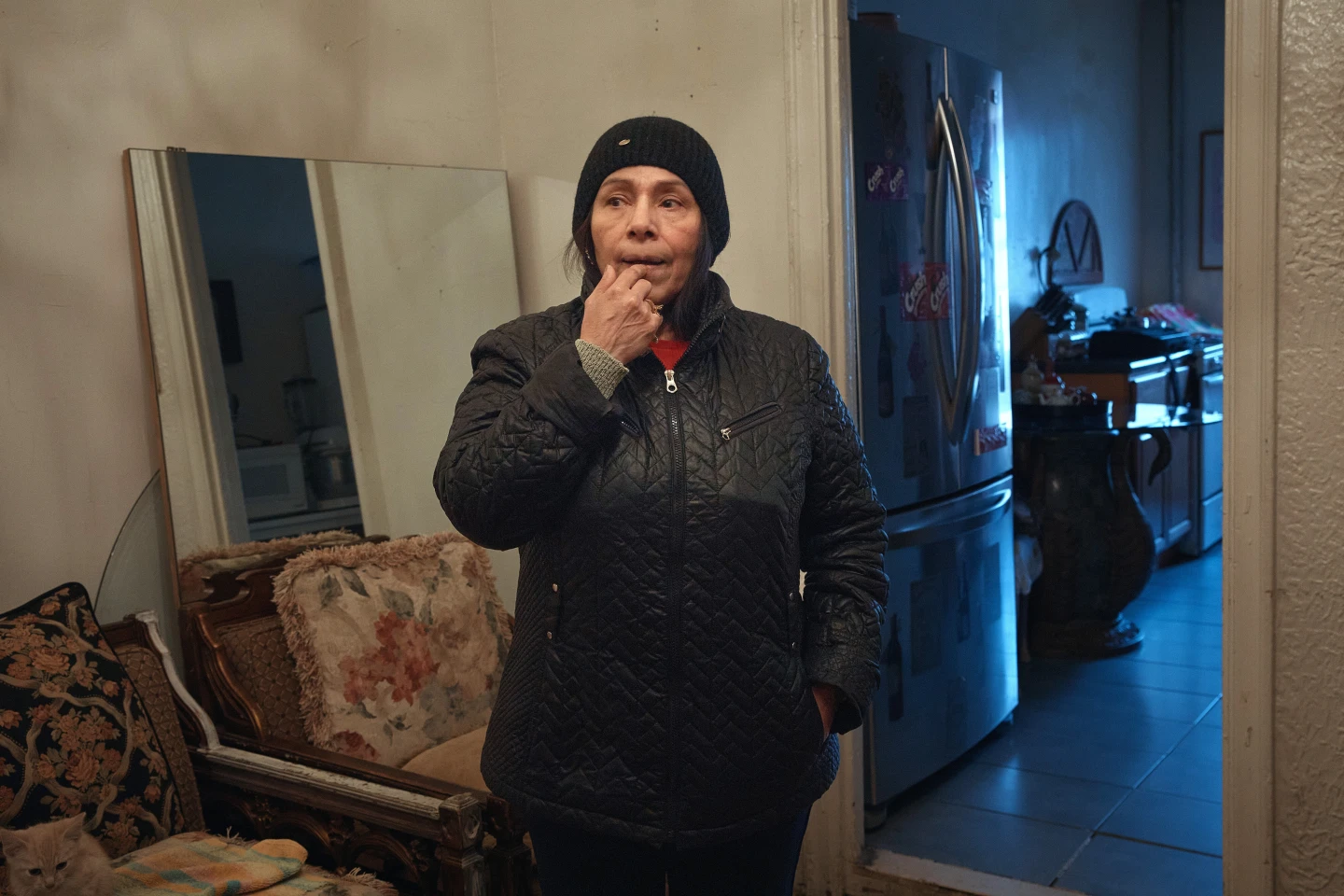
In 2022, a $100 a month increase forced the residents of Mountain Meadows to strike, a first in half a century. The protest highlighted a lack of affordable housing and the fragility of the state’s working‑class.
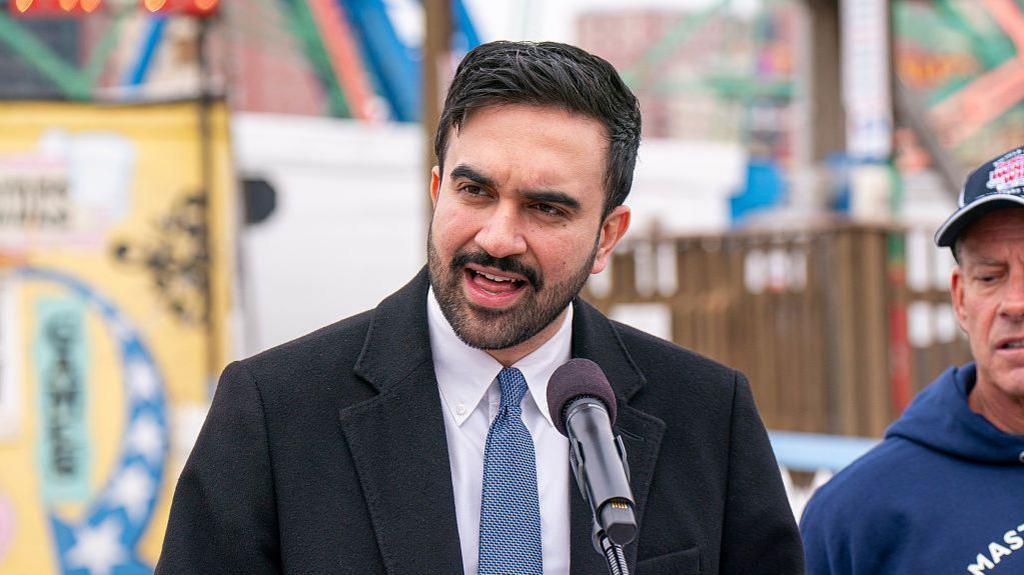
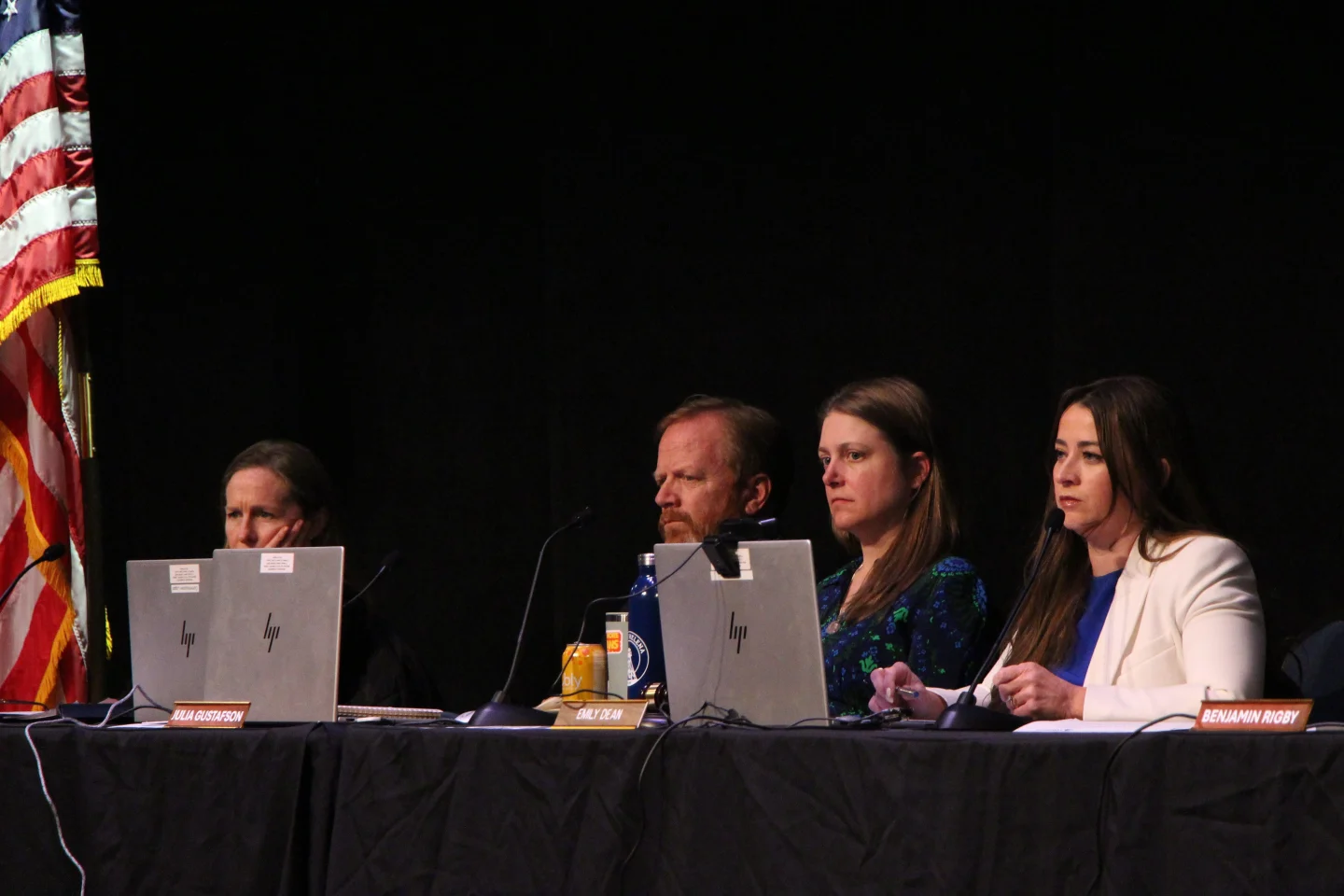
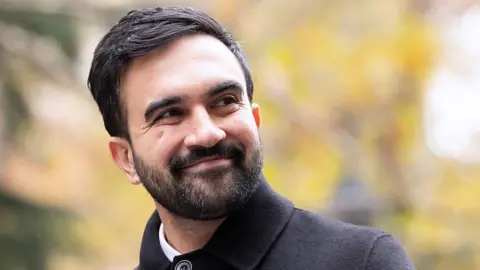
Mayor Joey Morrison, elected at 28 on an affordable‑housing platform, now watches his own rent climb from $333 to $900 for a similar room – a stark reflection of the town’s inflation.
He wields his position, fighting for the next generation of Bozeman residents who fear they’ll have to leave to save money.
The influx is not just a financial issue. The city’s downtown has shifted from coffee shops to high‑end steakhouses and boutique stores, alienating the original community that constructed the town’s identity.
Billionaire investors and “Yellowstone‑effect” tourism have strained local resources, calling into question whether Bozeman’s historic independence aligns with its current trajectory.
These tensions – with tenants, developers, and municipal leadership – define Bozeman today. The story underscores a growing trend in rural‑state boomtowns where luxury arrives before living requirements.