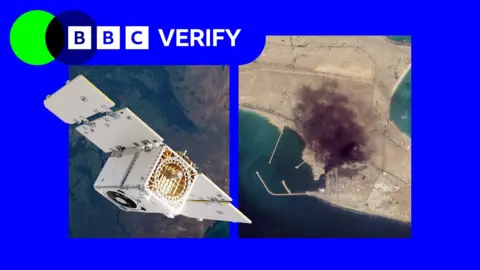
Humanitarian organisations and journalists have expressed concerns after a leading satellite imagery company, Planet Labs, announced restrictions on images of Iran and parts of the Middle East due to US government requests.
These restrictions began in March with a 14-day delay on providing imagery from the region, before transitioning to an indefinite halt.
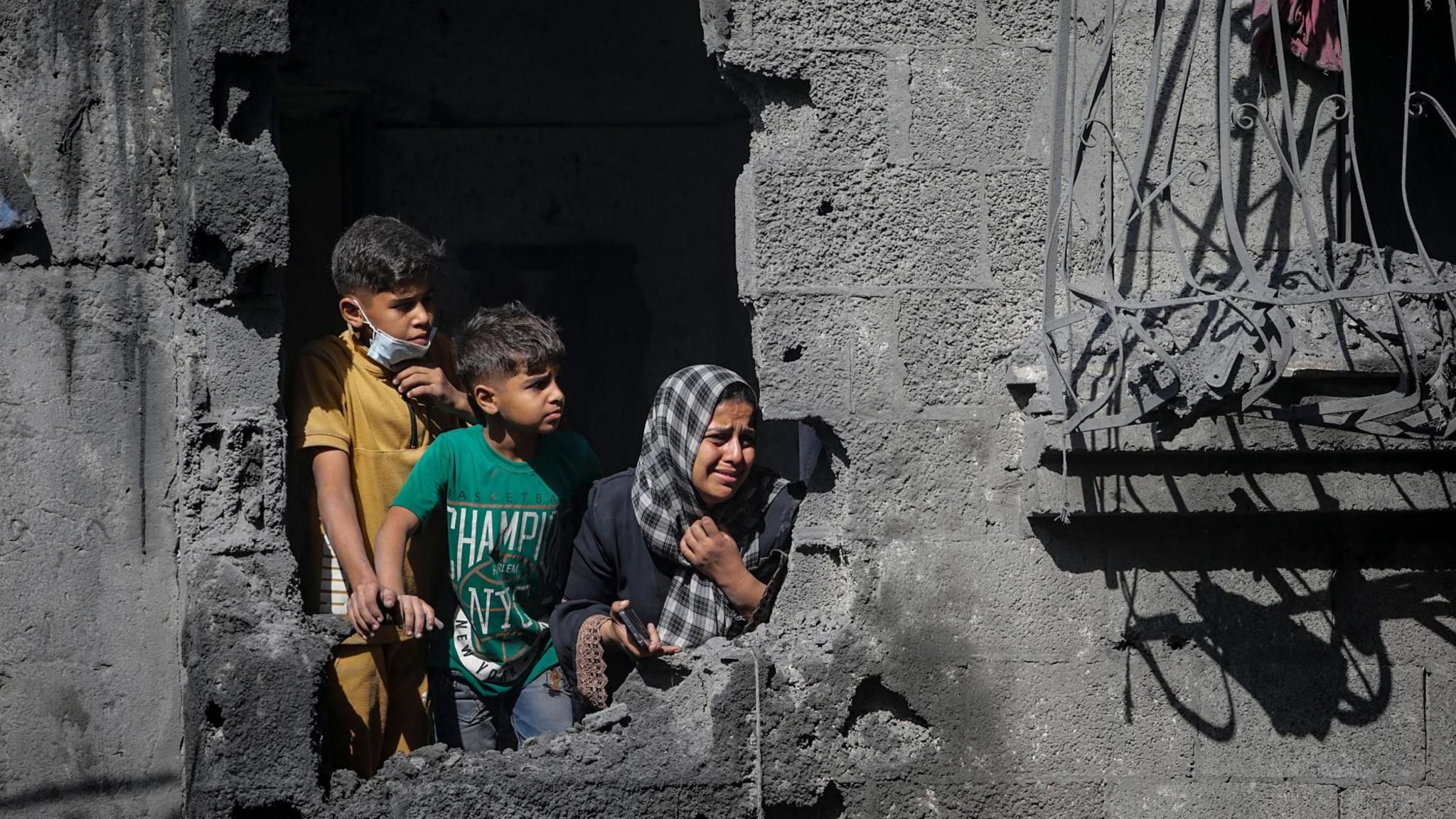
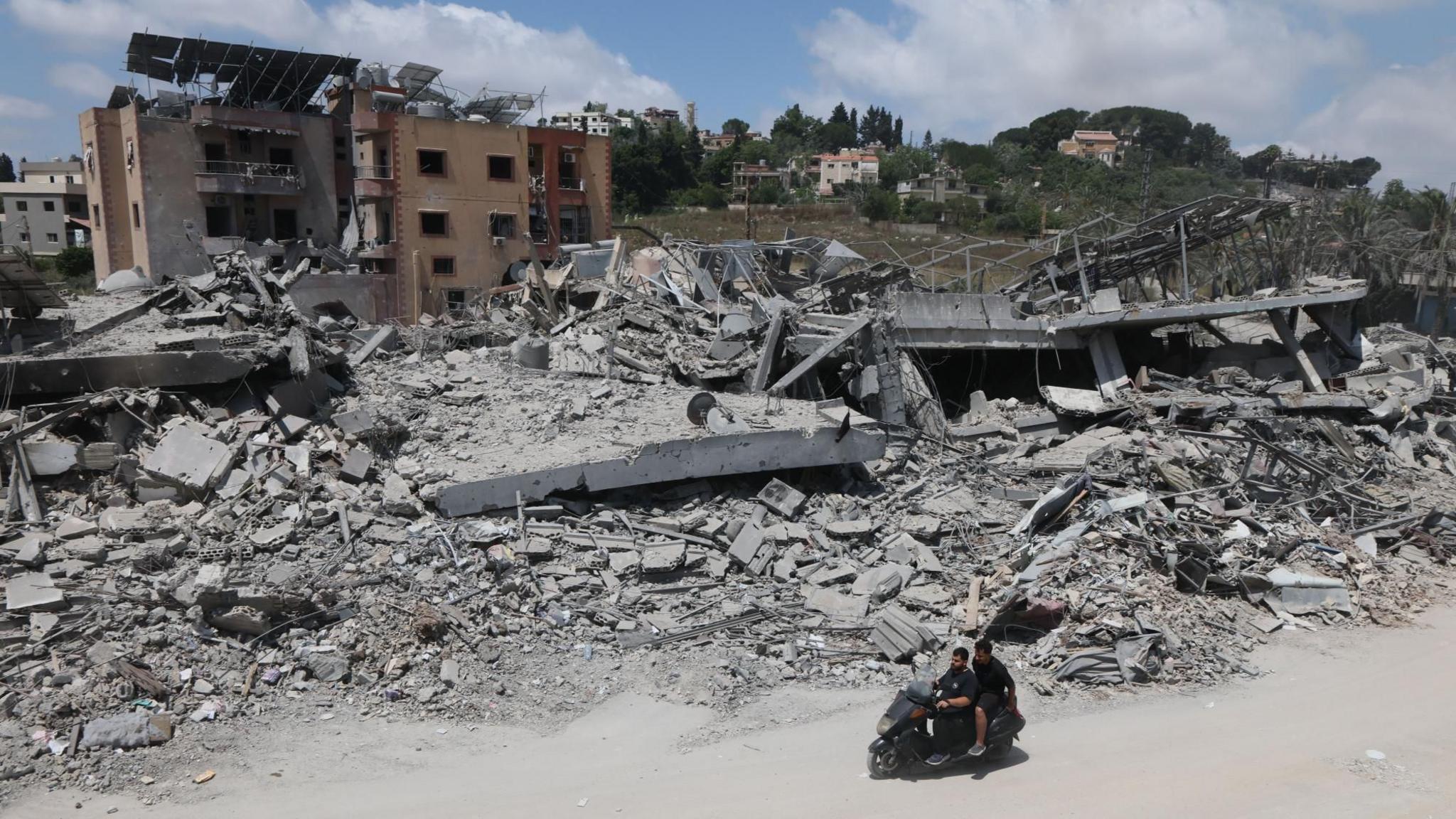
The limitations hinder how journalists, humanitarian groups, and analysts can assess impacts of the ongoing US-Israel war with Iran, particularly regarding damage to military targets and civilian infrastructure.
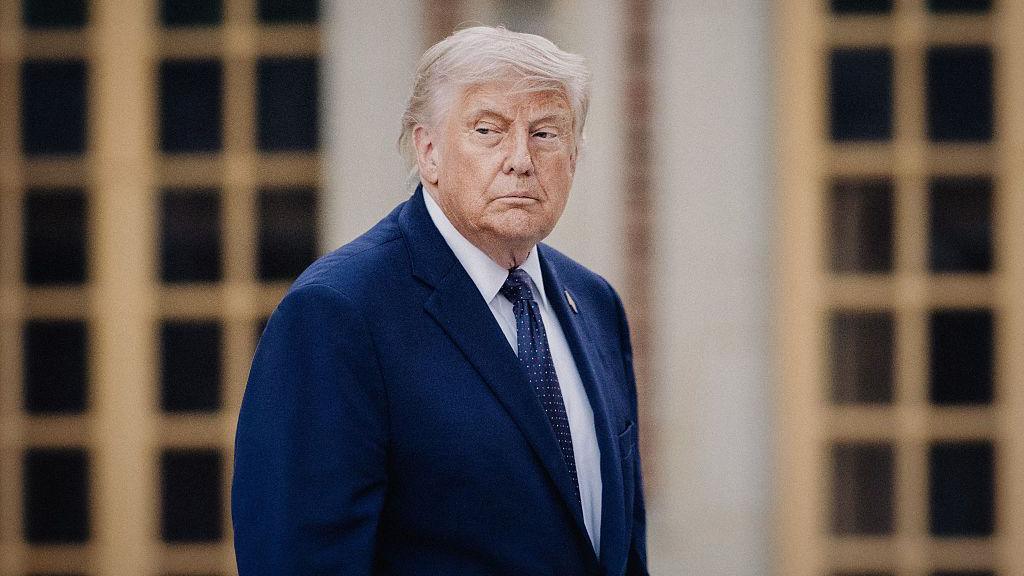
Despite inquiries, the Department of Defense has not commented on what might have prompted the US to enforce these restrictions on Planet Labs.
Initially, Planet Labs cited the need to prevent tactical advantages for adversaries as the reason for its 14-day delay. Now, they have moved to a new 'managed distribution' system, intending to selectively share images until the perceived security risks diminish.
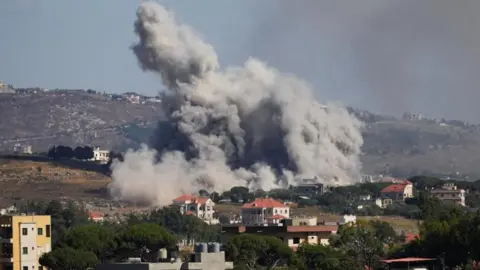
According to BBC Verify, the limitations appear to cover much of the Middle East, affecting countries like Iraq, Lebanon, Israel, and Gaza. This raises significant concerns regarding voluntary compliance to government pressures in the company's operations.
Satellite imagery has become crucial for investigative work, particularly in conflict zones where on-ground access is often unfeasible for reporters. During the ongoing conflict, BBC Verify has relied on imagery from Planet Labs to document critical incidents in Iran.
The imposition of these restrictions highlights the broader implications of government influence over commercial satellite operations, emphasizing a troubling intersection where national security interests may curtail journalistic freedom and humanitarian response efforts.
As the situation continues to evolve, experts note that reliance on foreign imagery and the emergence of new satellite providers can create challenges for maintaining transparency in conflict environments.