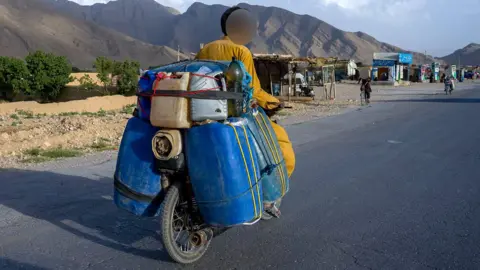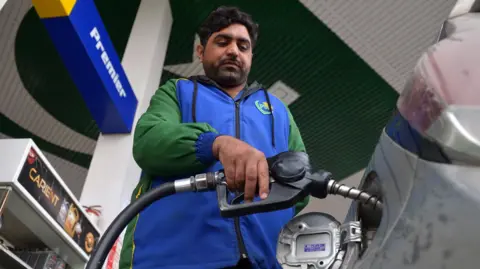
Hundreds of transport workers in the Philippines' capital Manila have gone on strike over rising fuel costs. Diesel and petrol prices have more than doubled since the Iran war broke out on 28 February, prompting a declaration of a national energy emergency in the Philippines.
A local driver expressed his desperation, stating he could no longer afford food for his five children while awaiting government cash aid that never arrived. Amid the strike's commencement, a vessel carrying over 700,000 barrels of Russian crude oil reached the country's shores, as officials claimed steps were being taken to secure alternative oil supplies following a heavy reliance on the Strait of Hormuz.
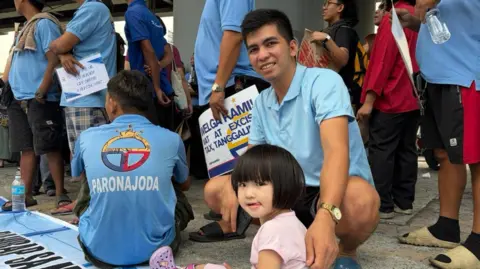
Transport coalitions are demanding sweeping measures, including the elimination of fuel taxes and a roll-back of oil prices. They are also advocating for higher wages and fare adjustments. Protests appeared throughout the capital, led mainly by jeepney drivers and other ride-hailing operators who previously announced their participation.
Drivers have highlighted the government's failure to deliver promised financial assistance, further complicating their livelihoods and leading some to consider returning to their hometowns for alternative employment. As one driver aptly articulated, We are being choked. It's really tough. We don't know where we can get money to provide for our families.
This struggle has affected daily commutes in Manila, one of Asia's most congested cities, where many are now queuing for free government rides. The government has also reported offering transport subsidies and implementing a reduced work week in response to the fuel crisis.
However, criticism arises from various labor coalitions that assert the government's emergency measures acknowledge failures to tackle the ongoing oil crisis effectively. While some business leaders support the measures, concerns linger about potential restrictions on workers' rights to strike and protest during this emergency, leaving many Filipinos caught in the crossfire of an unwavering economic crisis.
A local driver expressed his desperation, stating he could no longer afford food for his five children while awaiting government cash aid that never arrived. Amid the strike's commencement, a vessel carrying over 700,000 barrels of Russian crude oil reached the country's shores, as officials claimed steps were being taken to secure alternative oil supplies following a heavy reliance on the Strait of Hormuz.
Transport coalitions are demanding sweeping measures, including the elimination of fuel taxes and a roll-back of oil prices. They are also advocating for higher wages and fare adjustments. Protests appeared throughout the capital, led mainly by jeepney drivers and other ride-hailing operators who previously announced their participation.
Drivers have highlighted the government's failure to deliver promised financial assistance, further complicating their livelihoods and leading some to consider returning to their hometowns for alternative employment. As one driver aptly articulated, We are being choked. It's really tough. We don't know where we can get money to provide for our families.
This struggle has affected daily commutes in Manila, one of Asia's most congested cities, where many are now queuing for free government rides. The government has also reported offering transport subsidies and implementing a reduced work week in response to the fuel crisis.
However, criticism arises from various labor coalitions that assert the government's emergency measures acknowledge failures to tackle the ongoing oil crisis effectively. While some business leaders support the measures, concerns linger about potential restrictions on workers' rights to strike and protest during this emergency, leaving many Filipinos caught in the crossfire of an unwavering economic crisis.