In brief
The powerful Typhoon Dolphin slammed onto eastern China, prompting authorities to move more than a million people from their homes, including Shanghai and other affected provinces. Heavy rain, high winds, and flooding halted transport across the region, resulting in nearly 1,000 flight cancellations in Shanghai. Despite downgrading the storm to a tropical storm, officials cautioned continued torrential rainfall, flooding, and landslide risks until Wednesday. First‑hand reports from Shanghai show flooded streets, displaced tourists, and a missing seven‑year‑old child, while Chinese authorities detained two individuals for disseminating misinformation about the storm. Elsewhere, the storm caused additional casualties in the Philippines, Japan’s Okinawa, and led to record temperatures in Hong Kong.
Chinese authorities have evacuated more than one million residents from homes across eastern China, including Shanghai, after Typhoon Dolphin made landfall on Sunday evening.
The super‑typhoon brought heavy rain and halted transportation throughout the region, with Shanghai reporting nearly 1,000 flight cancellations on Monday. Despite the storm’s downgrade to a tropical storm, officials continued to warn of torrential rains, severe flooding and landslide threats that could persist through Wednesday as the storm tracks northward.
Typhoon Dolphin, the strongest storm to hit China so far this year, reached maximum wind speeds of 150 km/h (94 mph) when it first struck Yuhuan in Zhejiang province at 17:30 local time and later made a second landfall in Wenzhou. It traversed a long path of over 6,000 km, indicating a duration more than triple an average typhoon.
Heavy rain is forecast for several provinces, including Shandong, Henan, Hubei, Anhui, Jiangsu, Zhejiang, and Shanghai, with Zhejiang receiving upwards of 250 mm to 500 mm of rain over the next few days.
Emergency shelters were opened across the region: Wenzhou relocated 900,000 residents to over 1,000 shelters, Taizhou evacuated 390,000 people, and Hangzhou waived parking fees for motorists seeking refuge from the storm’s winds and floods.
Shiagreen and freight transport suffered severe disruptions: the coastal province of Fujian saw dozens of ferry routes suspended and more than 100 offshore construction projects halted.
Local media reported a nine‑year‑old boy from Wenling, Zhejiang, missing after being swept into the sea, although no casualties have been officially confirmed. Meanwhile, misinformation spread rapidly on the Chinese internet, leading to two detentions for creating a forged AI video and for re‑editing storm footage, allegedly misleading viewers.
International impact includes eight deaths in the Philippines from heavy monsoon rains linked to Dolphin, more than 7,000 people sheltering nationwide, and minor injuries from high winds in Japan’s Okinawa. Hong Kong recorded a record high temperature of 36.9°C as the storm pushed warm air into the city.
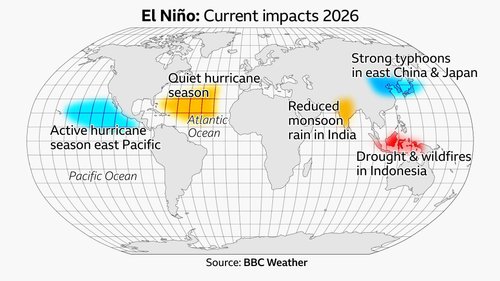
The typhoon’s passage across the western Pacific, an area where storms are common from May to October, emphasises how the strong El Niño year can intensify typhoons, potentially raising the risk of severe weather disruptions in the region.