The Okinawa prefecture has once again become the focus of a heated public dispute after a US Marine, Lance Corporal Devin Jacob Ballard, was arrested for allegedly murdering a Japanese woman in a hotel room in Naha.
Ballard, 20, is not on US military duty and was taken into Japanese police custody, which highlights the complicated jurisdictional rules that normally govern crimes involving American troops stationed on the island.
Long‑time residents of Okinawa say this latest case eclipses prior incidents, as the feeling persists that the US forces in the area get away with wrongdoing. “Not again,” one local told reporters, echoing the frustration that has built over decades of violence and theft by American personnel.
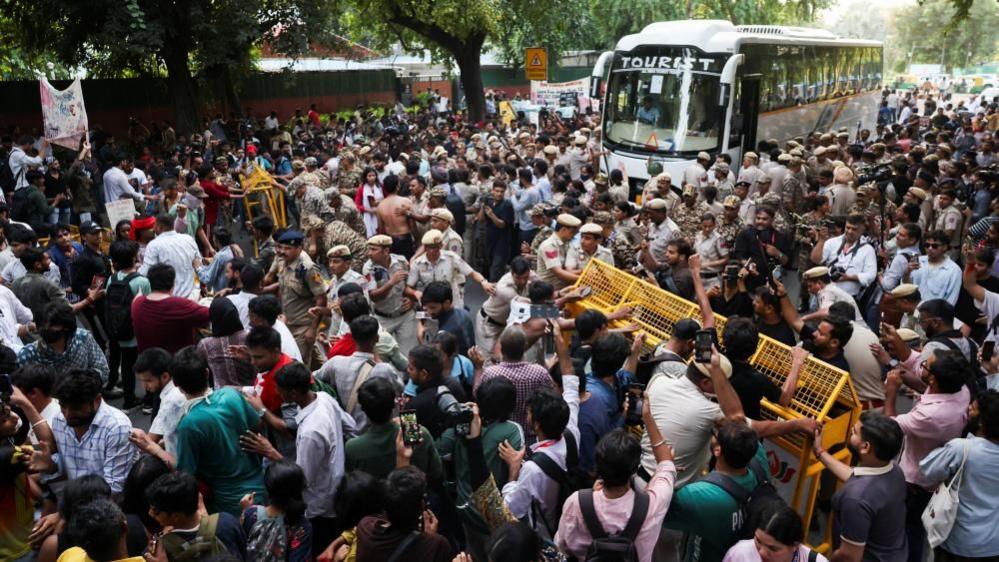
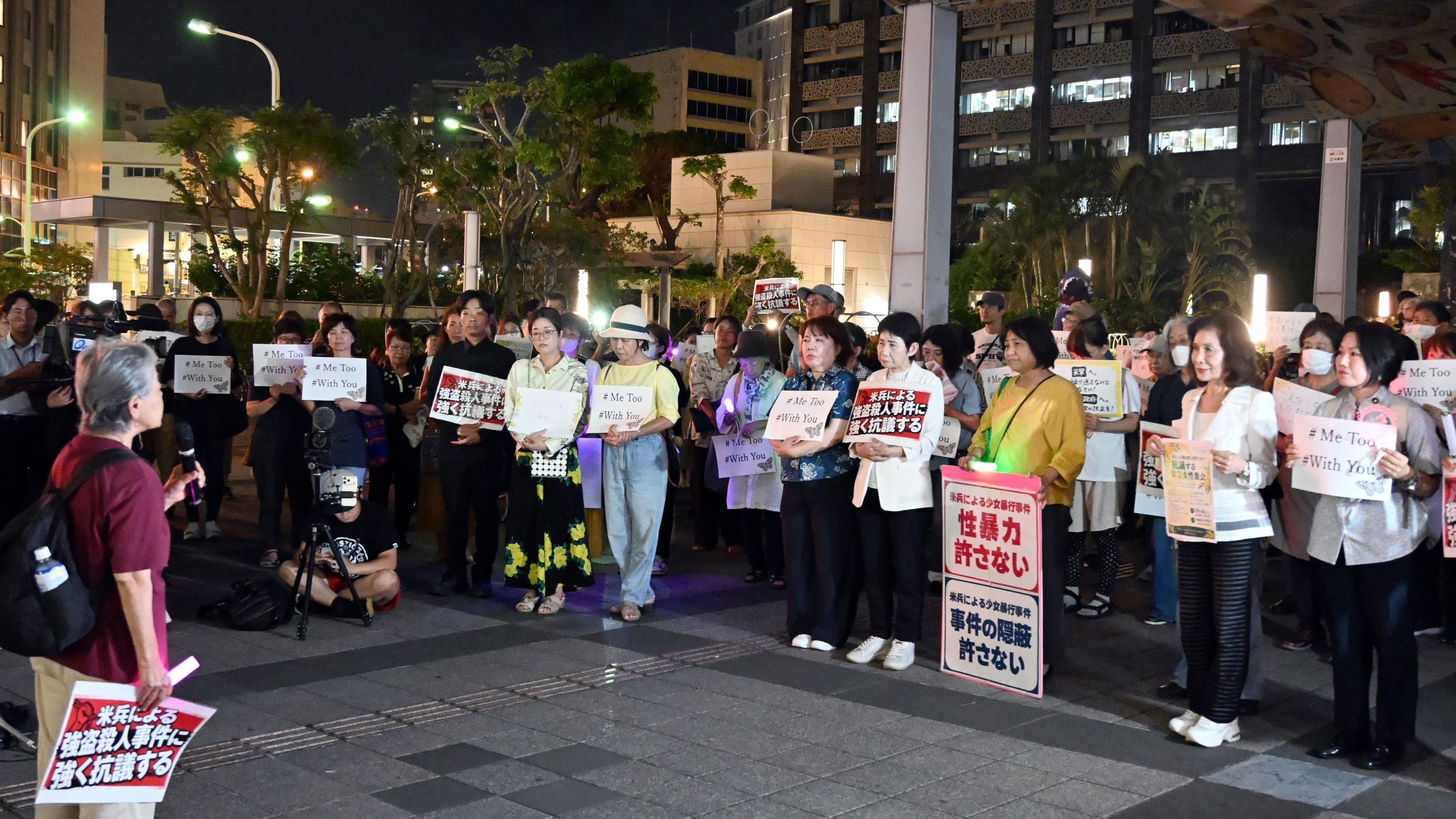
In the days since the arrest, small demonstrations have spread across the island, with hundred protesters gathering in Naha and Tokyo to demand concrete legal and diplomatic action. The protests were accompanied by heated posts on social media, where many residents demanded that the Japanese government seek direct accountability from Washington.
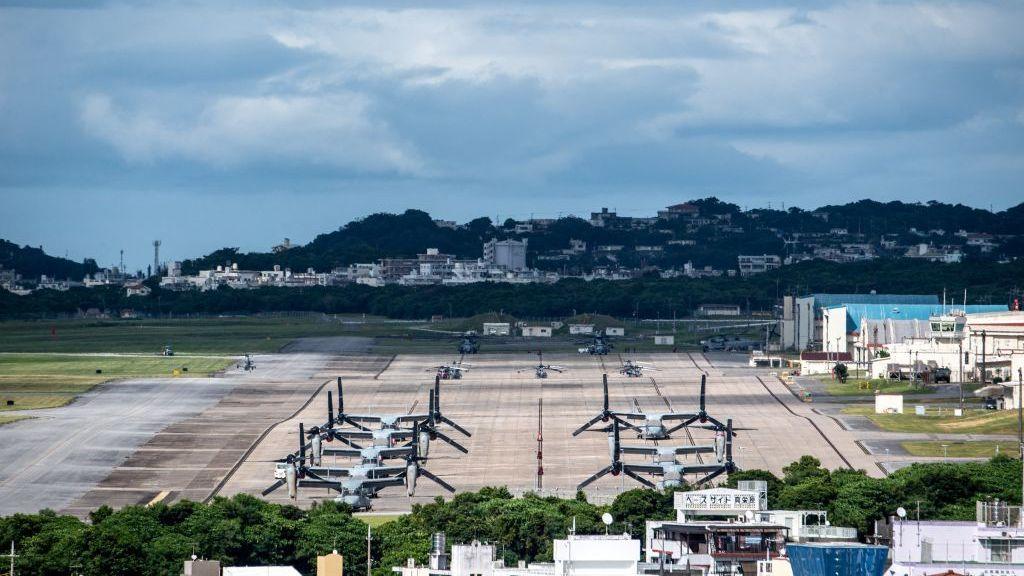
Historically, Okinawa has seen a high rate of criminal complaints involving US soldiers. After the island was returned to Japanese control in 1972, 6,409 arrests of US service members in Okinawa have been recorded by the prefectural government. The heavy presence of U.S. military, which occupies about 70% of Okinawa’s land and hosts the largest number of troops in Japan, is a persistent source of tension for its residents.
The incident adds to a list of high‑profile cases: a 2016 murder of a 20‑year‑old woman, a 1995 kidnapping and rape of a 12‑year‑old girl, and a 2025 choking and sexual assault by a Marine. Each of these incidents has spurred public outcry and renewed demands for a reduction of American forces and tighter oversight of their conduct.