Frank Star Comes Out, the President of the Oglala Sioux Tribe, has recently retracted claims made in an earlier memo stating that immigration authorities arrested four tribal members and sought an immigration agreement in exchange for information about their whereabouts. Star Comes Out’s initial claims created concern, as they were released during a period of rising anxiety about the Trump administration's immigration policies among Native American communities.
The Department of Homeland Security (DHS) responded firmly, stating that they did not arrest any members of the Oglala Sioux Tribe, nor did they request any agreements from the tribe. According to DHS, they have not encountered any individuals in their detention centers claiming to be tribal members, contradicting Star Comes Out's previous assertions.
After issuing an updated memo, Star Comes Out described the earlier pronouncements as "misinterpreted." He admitted that his communications with federal officials had been ongoing but clarified that there had been no demands for immigration agreements. He stated that cooperation and information sharing were being discussed, but the nature of any agreement has not been clarified.
The context for these developments lies within a broader landscape of tension between federal authorities and Native American tribes, especially regarding immigration policies. Star Comes Out expressed that federal communications suggested potential access to information via an immigration agreement, although specifics were not provided.
In light of the deteriorating trust, tribal leaders have been increasingly vocal about the implications of such policies, urging members to carry tribal identification to mitigate the risk of wrongful detention. This comes on the heels of multiple incidents affecting tribal members across the United States, raising alarms over racial profiling and misconduct by federal enforcement agencies.
Continued Strain Between Tribes and Federal Immigration Policies
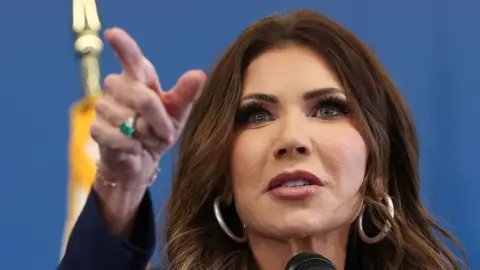
The history of strained relations between the Oglala Sioux and federal immigration authorities has been long-standing. Tensions were exacerbated when Homeland Security Secretary Kristi Noem, formerly the governor of South Dakota, made controversial statements about drug cartel activities on reservations.
The Oglala Sioux Tribe is not alone in contemplating the ramifications of agreements with immigration enforcement. Recent incidents have led some Native American tribes to terminate contracts with the Homeland Security Department following backlash from their communities about their involvement in the harsh immigration crackdown.
As Native American leaders reassess collaborations with ICE and DHS, the dialogue around these issues is expected to continue, reflecting deeper questions about justice, autonomy, and the rights of indigenous peoples amidst federal policies.