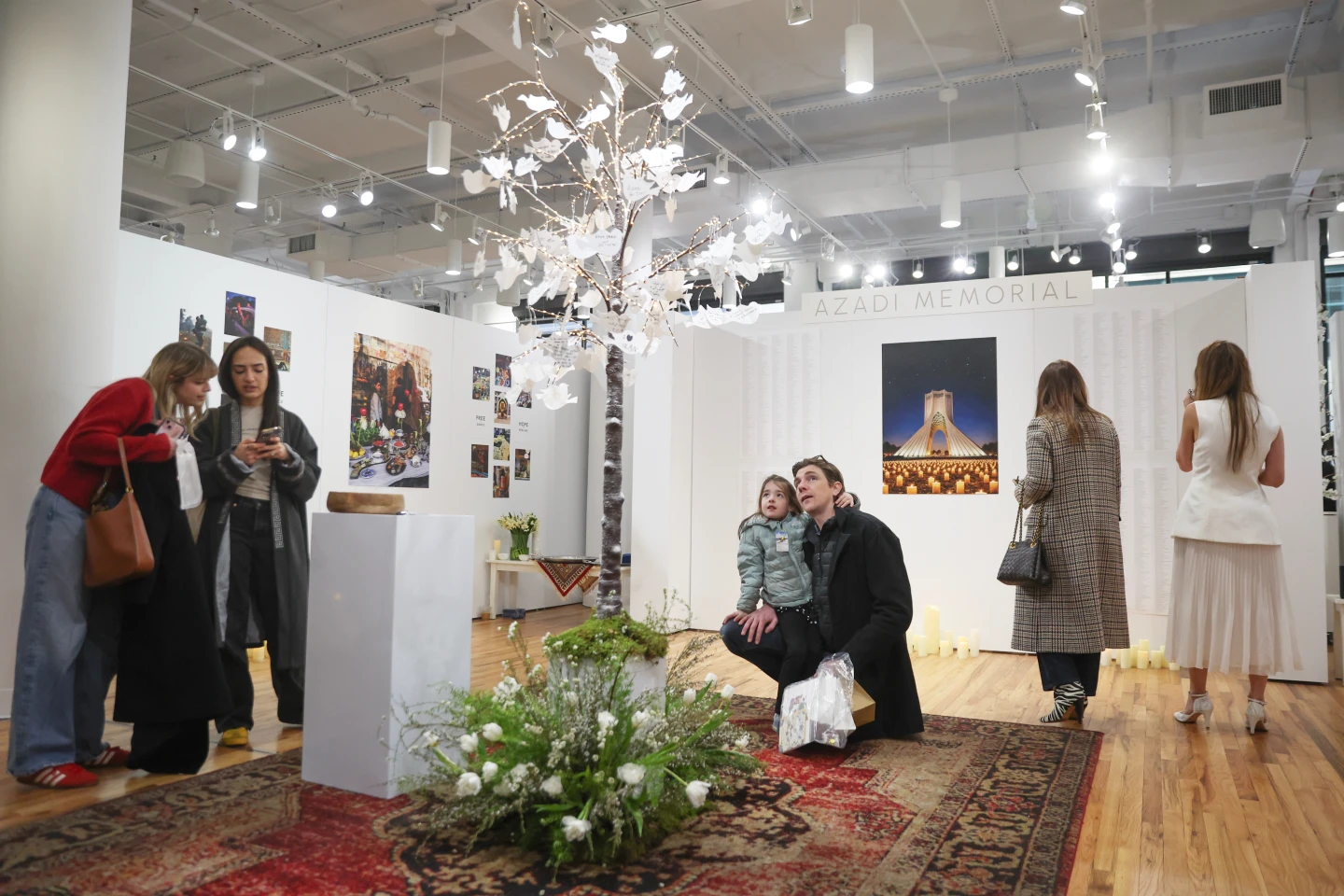
LOS ANGELES (AP) — Following the tragic loss of thousands during January's protests in Iran, Iranian Americans are re-evaluating their traditional Nowruz celebrations. Shima Razavi Gacek, a resident of Los Angeles, abandoned her usual lively house party in favor of a more reflective vigil held in a local park, where the photos of slain protesters were displayed as community members gathered to light candles and engage in a subdued version of the Chaharshanbe Suri fire-jumping tradition.
Razavi Gacek remarked, It is such a beautiful and joyous time of year, but this year, it’s not. We need our community more than ever. While some communities completely canceled their Nowruz celebrations in light of the recent violence in Iran, others opted for quieter observances, blending sadness with the holiday's essence of new beginnings.
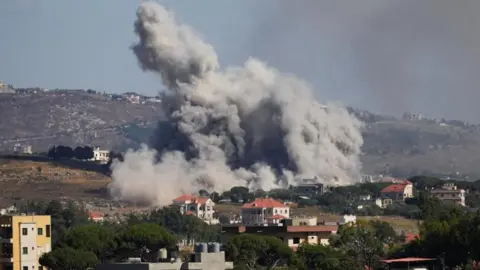
Less than a month has passed since U.S. and Israeli forces targeted Iran, leading to increased conflict across the region. The Nowruz holiday, rooted deeply in Zoroastrian traditions and celebrated across different cultures, including Armenian and Kurdish, typically heralds spring and renewal. Yet, the current climate has left many feeling unprepared to celebrate, given the somber backdrop of loss and unrest.
Across the United States, particularly where significant Iranian communities exist, numerous gatherings were either muted or repurposed into vigils. For instance, an annual celebration in New York was canceled by a group of elderly Iranian Americans who expressed that the festive spirit has been overshadowed by recent events. Marjan Khalili of the Long Island Ladies Association voiced a sentiment of despair, noting, People are not in the mood to celebrate the New Year.
In Southern California, with community leaders rallying support during these difficult times, a planned Nowruz party was replaced with a collaboration with a mental health clinic focused on addressing the community's emotional needs. Shani Moslehi, the chief executive of the Orange County Iranian American Chamber of Commerce, pointed to the widespread emotional turmoil as a primary reason for these changes.
Despite the challenges, some feel that observing Nowruz remains essential for cultural defiance. Hedi Yousefi organized a Norooz Bazaar in Manhattan, emphasizing the importance of keeping traditions alive, saying, They want us to be quiet, but we must talk about our culture and keep our tradition alive.
In Nashville, the local Kurdish community plans an event centered on solidarity, ensuring that while the spirit of Nowruz is altered, the underlying message of unity and resilience remains intact. As Mojan Gabbay, another participant in Los Angeles, realized, traditional practices are more than mere celebrations; they are connections to heritage amidst a backdrop of pain and resistance.
In conclusion, with each candle lit and each heart heavy, Iranian Americans across the nation navigate the complexities of this year's Nowruz, honoring their past while adapting to a challenging present.