In brief
Across Africa, vultures have vanished from skies as hunting and poisoning decline populations. In Nigeria’s southeastern town Awka‑Etiti, a shrine dedicated to the deity Nguma and its vulture residents have become a sanctuary. Volunteer Chukwuemeka Igwe, dubbed the Vulture King, uses community education and local bylaws to protect the birds, turning numbers from roughly twenty in 2017 to over a hundred in recent counts. Yet the wider threat of illegal trade, smuggling and traditional‑medicine use remains, underlining that broader national enforcement and public awareness are essential to safeguard the species worldwide.
"People fear the environment where the shrine is. No evil will ever happen here. So, nobody fights vultures that perch here," a local man known as the Vulture King says to the BBC.
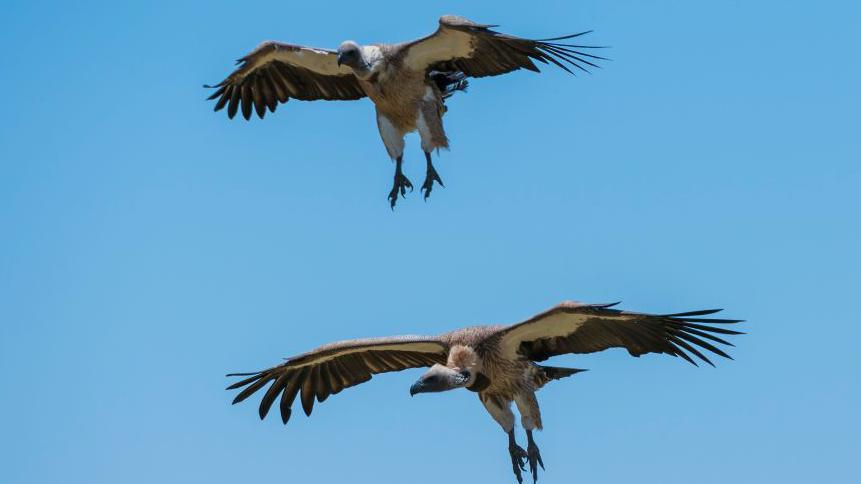
In many West African cities, vultures once dominated the sky but have been disappearing due to hunting linked to traditional beliefs and the use of their body parts in medicine. The loss threatens ecosystems, as vultures clean up carrion quickly and can prevent the spread of diseases like anthrax and rabies.
In the southeastern Nigerian town of Awka‑Etiti, a sacred forest and a shrine dedicated to the deity Nguma protect vultures. The shrine’s ancient central tree is considered a spiritual home, and villagers believe that vultures respond to fresh animal sacrifices during rituals, a sign that the spirit world has accepted the offering.
Village resident Chukwuemeka Igwe, a volunteer with the Nigeria Conservation Foundation (NCF) who earned the nickname of the King of Vulture, says villagers do not hunt the birds. Instead they attract them with sacrifices. He spends time in markets, buses, and public spaces to spread that vultures are helpful to human life.
Igwe’s work has helped raise local awareness and, together with community leaders and security teams, he has inspired local bylaws that protect the birds from outside hunters. The town recorded about 20 vultures in 2017, but recent monitoring shows more than 160 have been seen.
Conservationists warn that hunting, poisoning and the illegal trade of vultures and their eggs pose severe threats. BirdLife International reports that poisoning kills an estimated sixty‑percent of vultures in Africa.
In Nigeria, a major hub for illegal wildlife trade, customs officials work to suppress smuggling and support prosecutions. However, they agree that education is vital, as enforcement alone cannot change communities that traditionally use vultures in medicine.
Igwe says that Awka‑Etiti illustrates that community-led conservation can succeed, but he stresses that protecting vultures worldwide requires broader action beyond single towns.
Additional reporting by Abayomi Adisa, Ifiokabasi Ettang and Natasha Booty