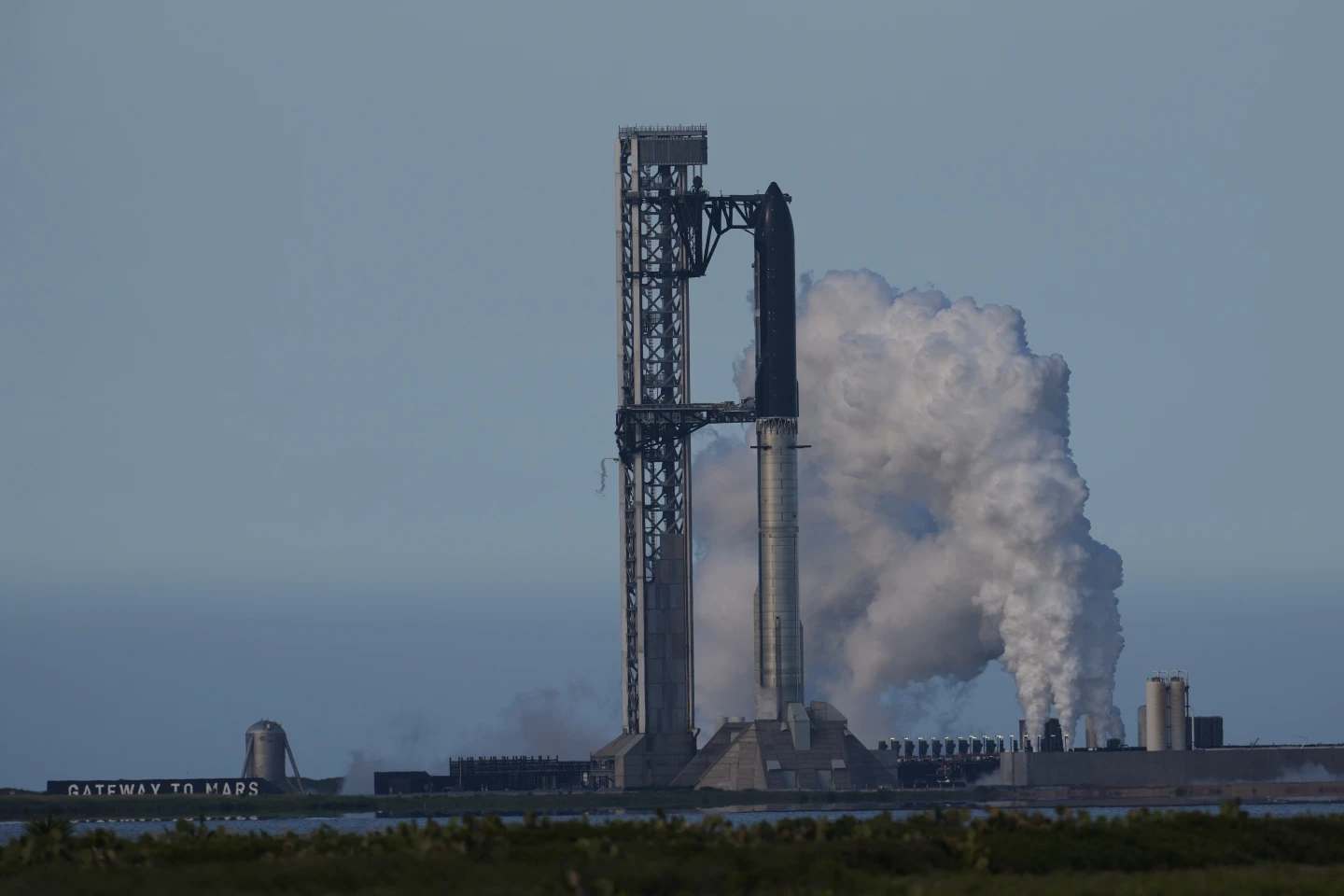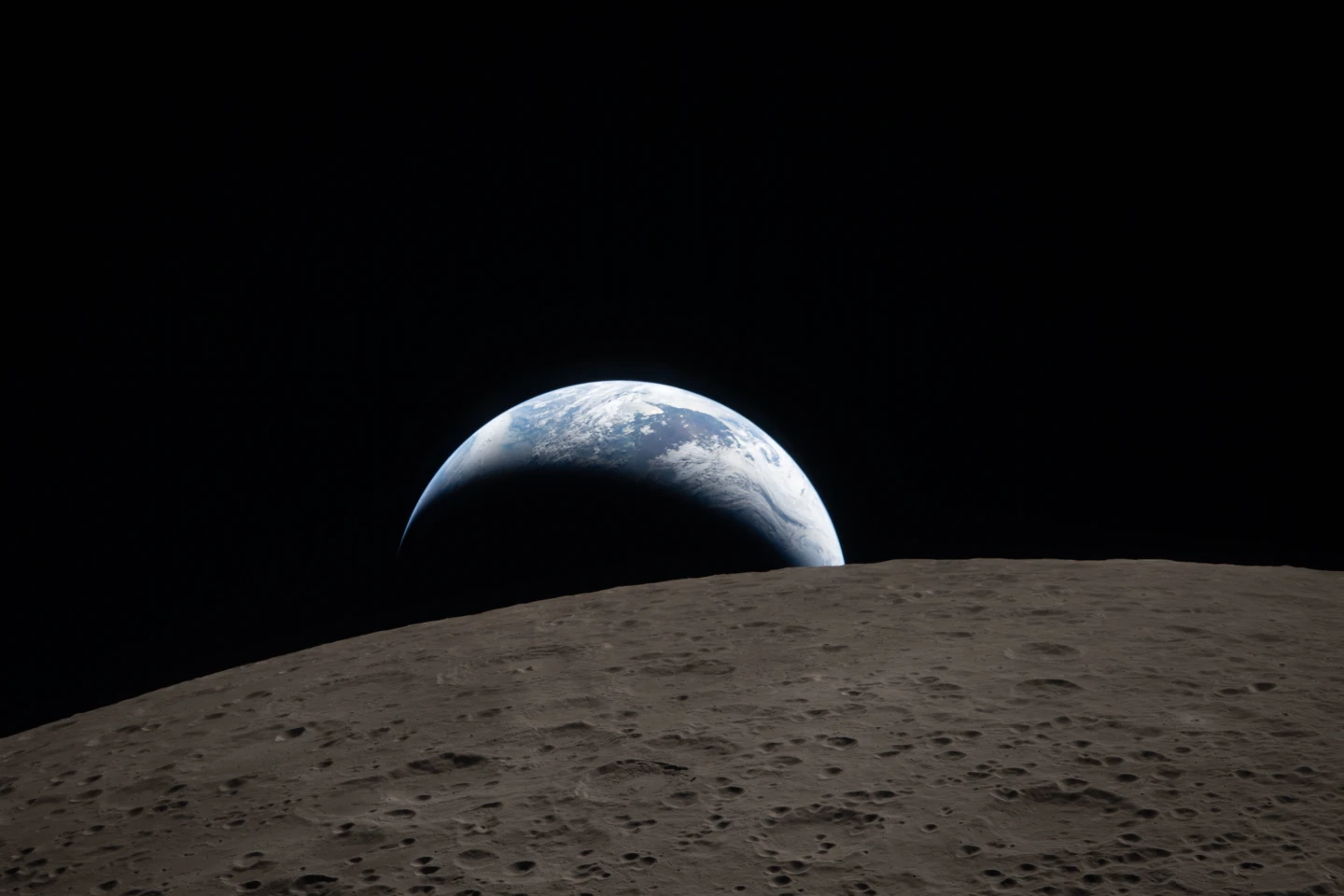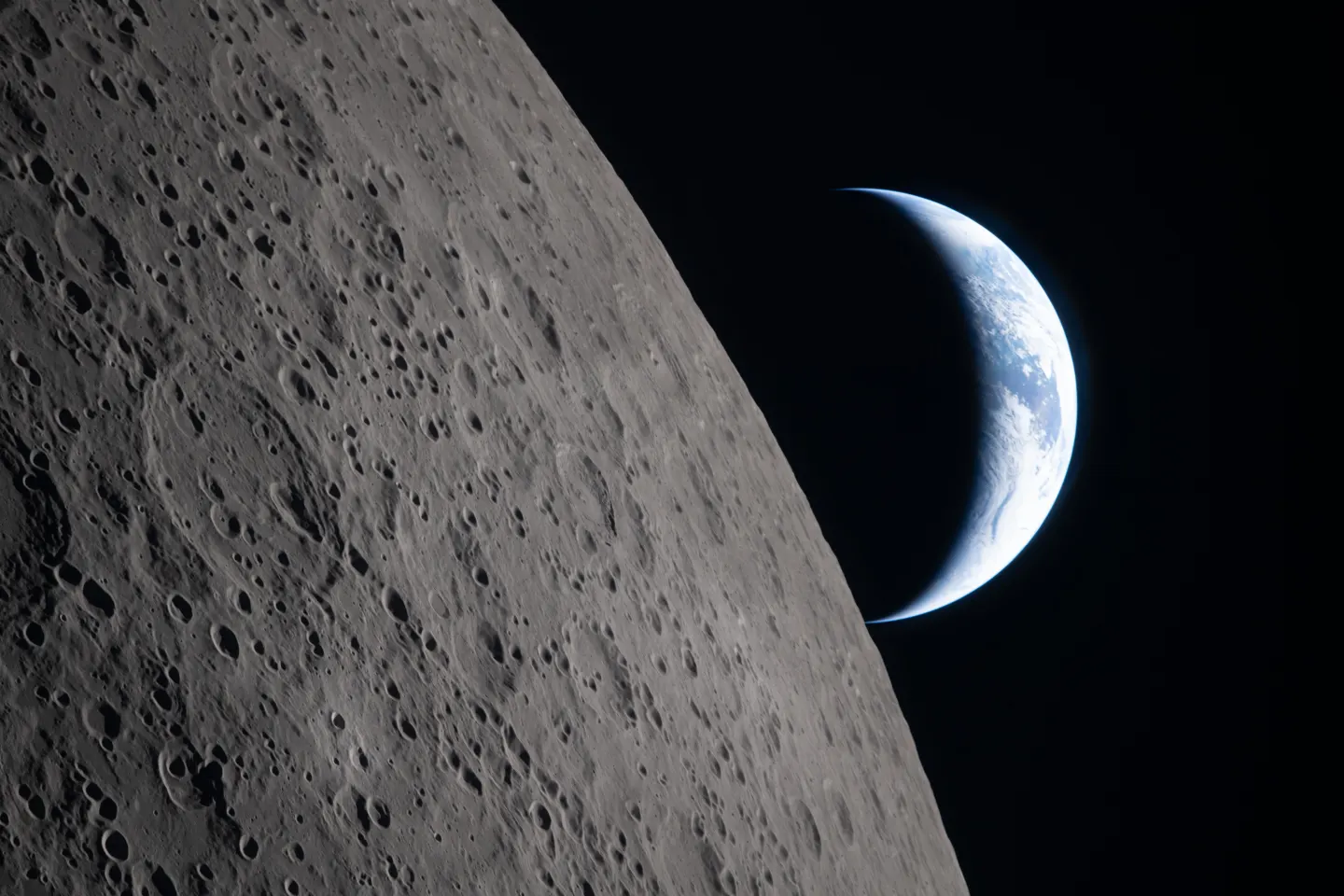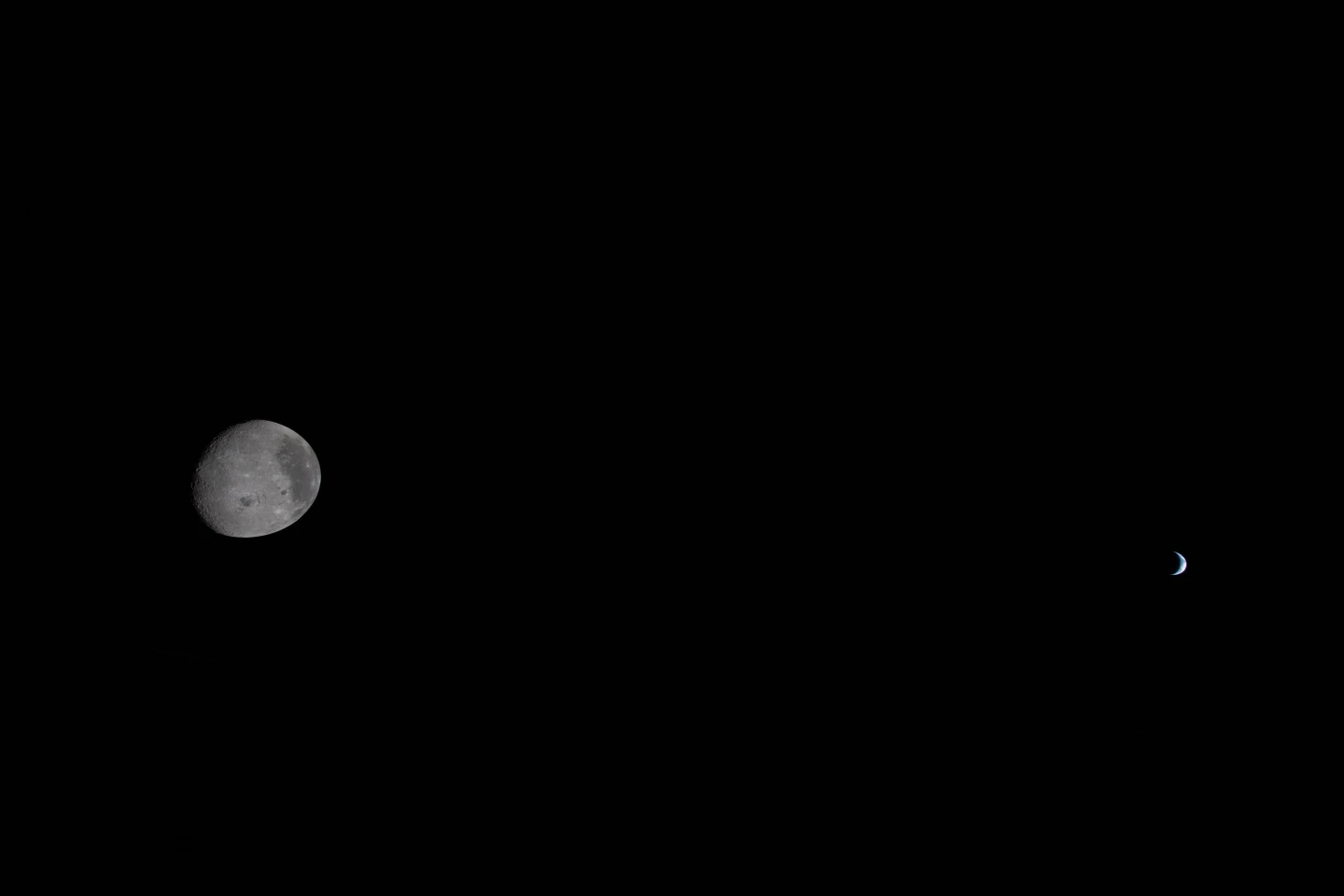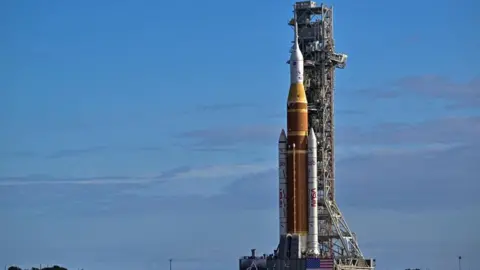
NASA's mega rocket has been moved to the launch pad in Cape Canaveral, Florida, as the final preparations get underway for the first crewed mission to the Moon in more than 50 years. Over almost 12 hours, the 98m-tall Space Launch System was carried vertically from the Vehicle Assembly Building on the 4-mile (6.5 km) journey to the pad. Now that it is in position, the final tests, checks, and a dress rehearsal will take place before the go-ahead is given for the 10-day Artemis II mission that will see four astronauts travel around the Moon.
NASA states the earliest the rocket can blast off is February 6, 2026, although there are additional launch windows later in the month, as well as in March and April. The rocket began moving at 07:04 local time (12:04 GMT) and arrived at Launch Pad 39B at the Kennedy Space Center at 18:41 local time (23:42 GMT).
The rocket was transported by a crawler-transporter, slowly moving at a top speed of 0.82 mph (1.3 km/h), a journey that was broadcast live. NASA confirmed that preparations for a 'wet dress rehearsal'—a critical test for fueling operations and countdown procedures—will occur over the next few days.
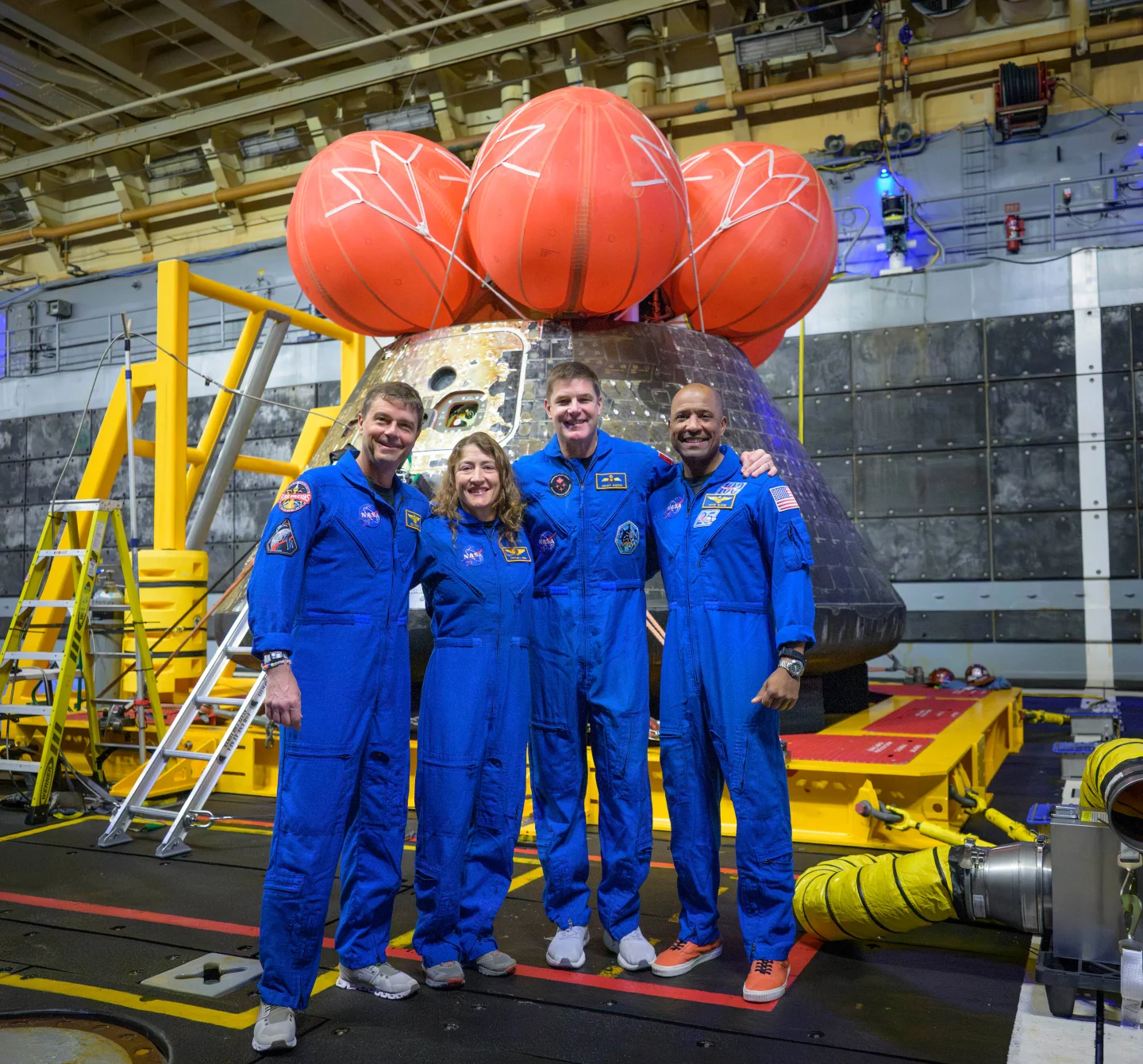
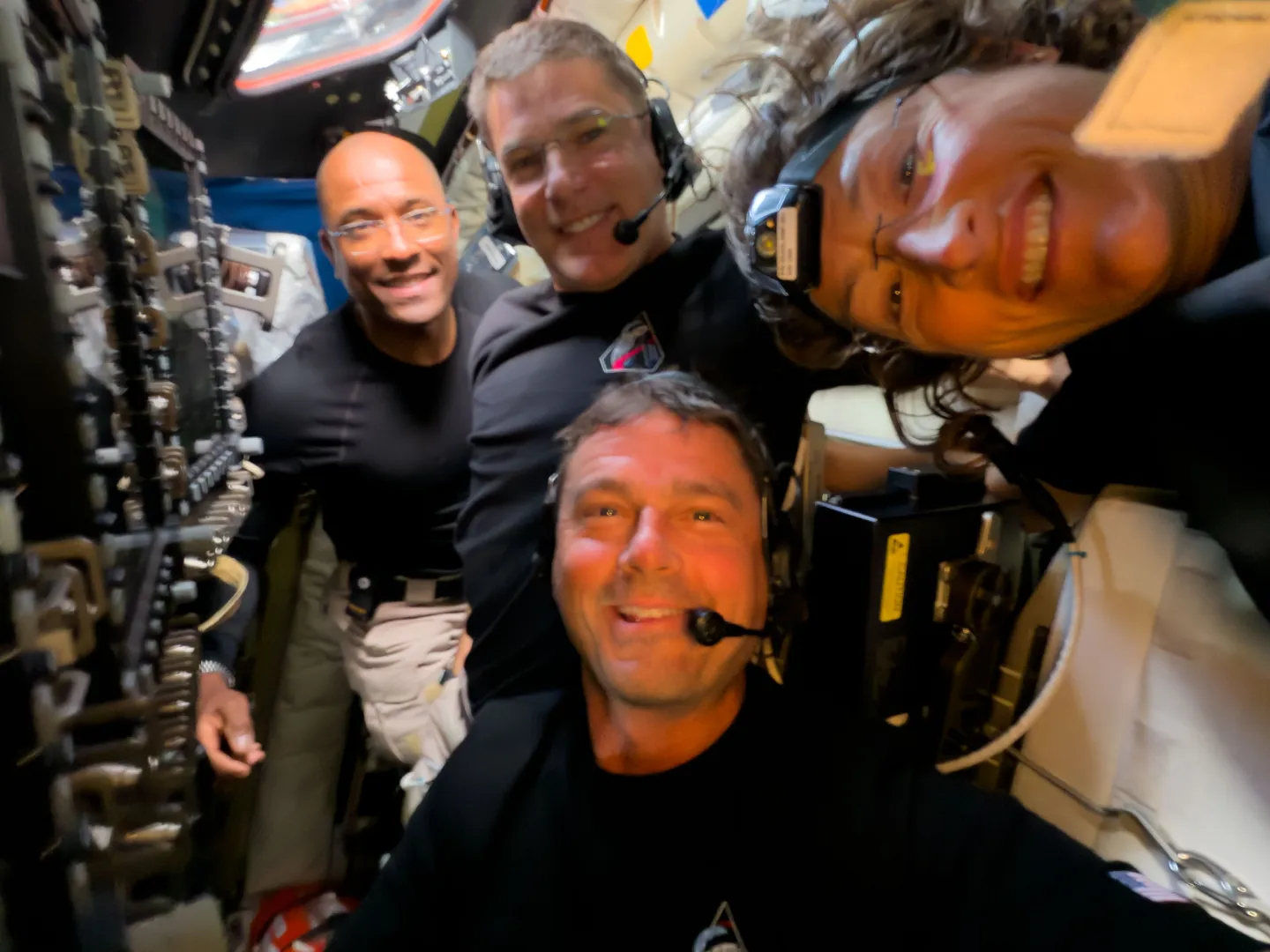
NASA's Artemis II crew includes Reid Wiseman, Victor Glover, Christina Koch, and Canadian astronaut Jeremy Hansen, who were present at the Kennedy Space Center to witness the rocket's movement. While the mission won't land on the Moon, it aims to prepare the way for a future lunar landing with the Artemis III mission.
As NASA pushes ahead with its lunar ambitions, safety remains the top priority. John Honeycutt, chair of the Artemis mission management team, emphasized that the mission's success hinges on the crew's safe return. With the rocket now in position, work continues at full speed to ensure it meets all safety and operational standards before launch.
NASA states the earliest the rocket can blast off is February 6, 2026, although there are additional launch windows later in the month, as well as in March and April. The rocket began moving at 07:04 local time (12:04 GMT) and arrived at Launch Pad 39B at the Kennedy Space Center at 18:41 local time (23:42 GMT).
The rocket was transported by a crawler-transporter, slowly moving at a top speed of 0.82 mph (1.3 km/h), a journey that was broadcast live. NASA confirmed that preparations for a 'wet dress rehearsal'—a critical test for fueling operations and countdown procedures—will occur over the next few days.
NASA's Artemis II crew includes Reid Wiseman, Victor Glover, Christina Koch, and Canadian astronaut Jeremy Hansen, who were present at the Kennedy Space Center to witness the rocket's movement. While the mission won't land on the Moon, it aims to prepare the way for a future lunar landing with the Artemis III mission.
As NASA pushes ahead with its lunar ambitions, safety remains the top priority. John Honeycutt, chair of the Artemis mission management team, emphasized that the mission's success hinges on the crew's safe return. With the rocket now in position, work continues at full speed to ensure it meets all safety and operational standards before launch.