In brief
This year marks the 50th anniversary of the tragic sinking of the Edmund Fitzgerald in Lake Superior, which claimed the lives of all 29 crew members aboard. The storm that led to the wreck remains one of the deadliest events in Great Lakes shipping history. Despite numerous ships sinking in the Great Lakes since then, none have matched the Fitzgerald's notoriety, largely attributed to Gordon Lightfoot's renowned ballad. This commemorative year sparks renewed interest in the Fitzgerald and the families it left behind, culminating in special memorial events and reflections on maritime safety.
MARQUETTE, Mich. — As we reflect on the shores of Lake Superior, the tragic tale of the Edmund Fitzgerald lingers. This year marks the 50th anniversary of the famed shipwreck, known for its tumultuous final voyage on November 10, 1975, when it succumbed to one of the most severe storms the Great Lakes had ever witnessed.
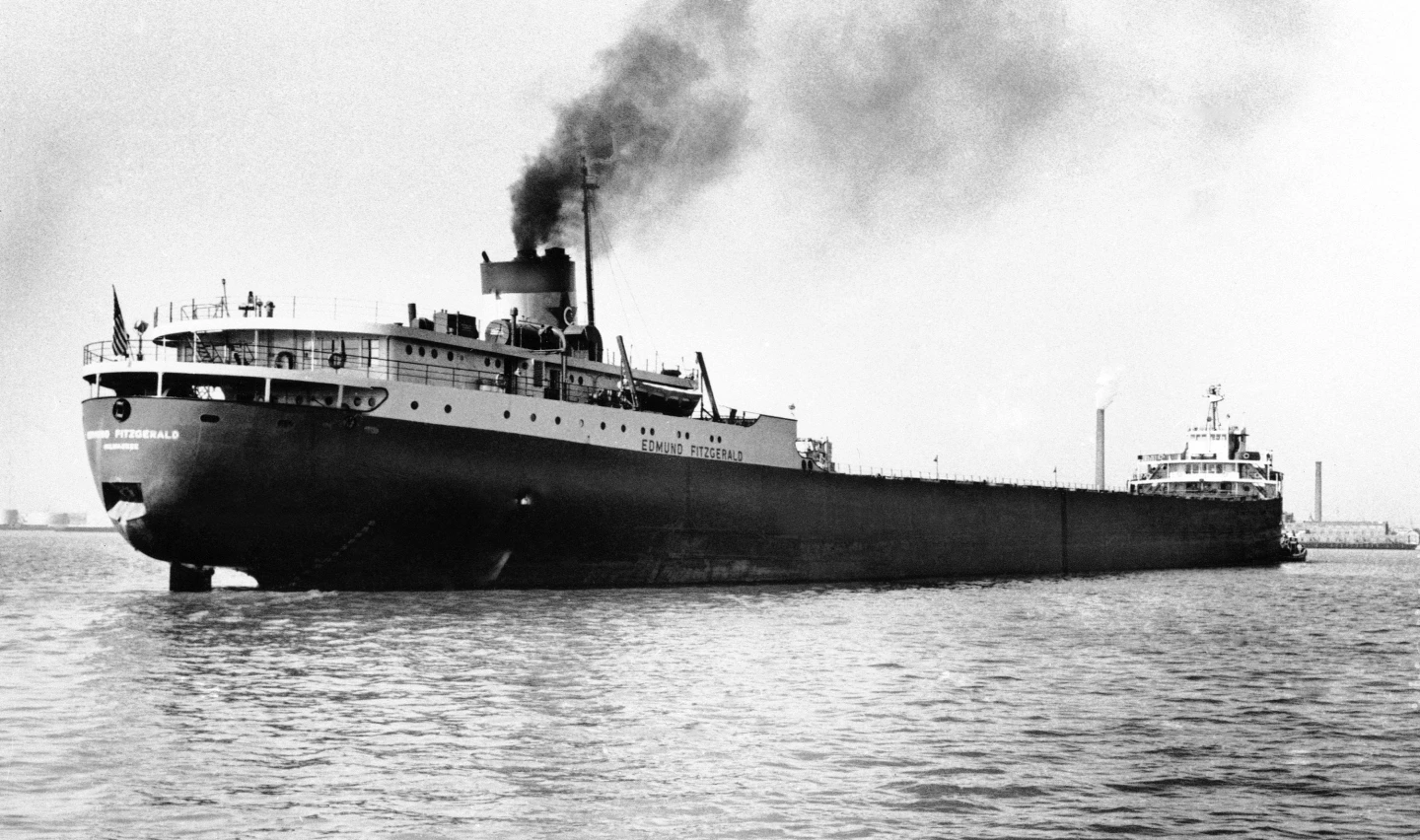
The Fitzgerald, a grand 730-foot freighter, sank while carrying 26,000 tons of iron ore. All 29 crew members aboard perished, leading to an enduring legacy of loss and reflection. The ship is unique among the myriad wrecks of the Great Lakes partly due to Gordon Lightfoot's 1976 ballad, which immortalized its fate and sparked continued interest in maritime history.
On that fatal night, Captain Ernest M. McSorley steered the Fitzgerald through treacherous waters toward Detroit. Despite issuing reports that the ship was 'holding its own,' it ultimately succumbed to the violent storm, with waves reaching over 25 feet. The crew's final moments remain shrouded in mystery, as no distress call was made before the ship vanished beneath the icy waters of Lake Superior.
As the anniversary approaches, family members and those familiar with the tragedy express the importance of remembering the lives lost. Debbie Gomez-Felder, whose father was aboard the Fitzgerald, still feels the impact of that day. Each year, she participates in memorial events, including ringing the ship’s bell, a powerful reminder of the 29 souls lost.
Frequenting places like the Great Lakes Historical Museum, which will host special ceremonies, Gomez-Felder and others can unite to honor their loved ones. The museum is set for its most significant year, with heightened public interest in the fiftieth remembrance of this calamity.
Modern advancements, inspired by this tragedy, have improved safety on the lakes. Notably, no similarly sized vessels have been lost at sea since the Fitzgerald’s sinking, underscoring the ship's lasting influence on maritime regulations.
The Edmund Fitzgerald lies in 535 feet of cold water, a protected site under Canadian law, with families advocating for the sanctity of the wreck as a final resting place for their loved ones. The community continues to remember the Fitzgerald and all those who have encountered danger on the Great Lakes.
As major memorial events unfold on this 50th anniversary, the legacy of the Edmund Fitzgerald echoes through history and resonates within the hearts of many.