In brief
Travelers this Thanksgiving weekend are likely to face significant winter weather challenges, including snow accumulation and cold temperatures from Montana to New York. The Midwest, particularly Iowa and Illinois, should brace for up to a foot of snow. The National Weather Service has issued winter storm warnings as snow continues to fall in the Great Lakes region, with the potential for whiteout driving conditions in parts of the Northeast. Meanwhile, southern regions may experience heavy storms and flash flooding.
A lot of snow, rain, and cold weather await travelers for the rest of the Thanksgiving holiday weekend, with winter storm warnings posted Friday across the northern part of the country and more snow falling over the Great Lakes region.
Storm warnings and advisories extend from Montana to New York, as per the National Weather Service. Snow is anticipated to start Friday and last well into the weekend in some areas, with Iowa and Illinois expected to bear the brunt of the snowfall. West-central Illinois may see between six inches (about 15 centimeters) to a foot (30 centimeters) of snow from Friday night through Saturday night.
Though the forecast conditions do not currently meet blizzard warning criteria, such as winds exceeding 35 mph (56 kph) and visibility of less than a quarter mile (400 meters) lasting over three hours, the potential for dangerous travel conditions remains.
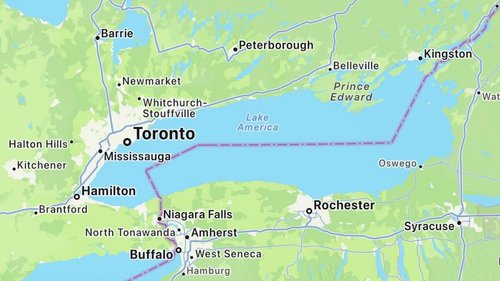
A storm that has already brought snow to the northern Plains states and Great Lakes region continues to impact the area. Forecasters predict snowfall totals of at least a foot, particularly downwind of Lake Superior in Michigan and downwind of lakes Erie and Ontario, with central New York also projected to receive around a foot of snow.
Additionally, snow squalls may lead to rapid bursts of heavy snow and create hazardous whiteout driving conditions in the interior Northeast.
Meanwhile, in the Pacific Northwest and the Rockies, a mix of snow and rain is expected Friday, with snow tapering off in the Rockies by Saturday, but continuing in the Midwest.
In southern regions, thunderstorms, including heavy rain, are anticipated for Saturday, raising concerns about flash flooding in the western Gulf Coast region.
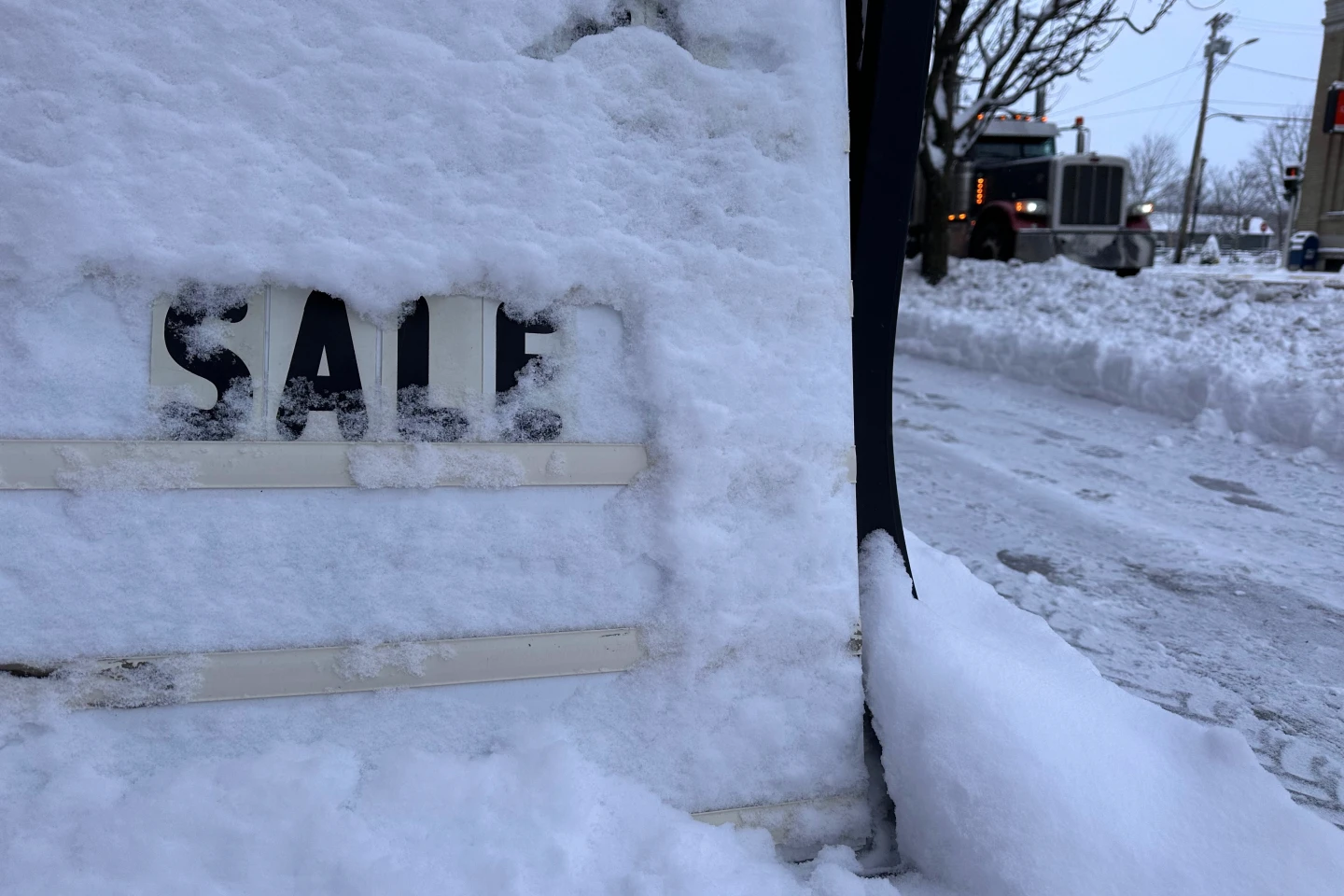
As temperatures remain well below average throughout the eastern and central U.S. — with highs expected to be in the 20s to 30s degrees Fahrenheit in the Midwest and the 30s to 40s in New England and Mid-Atlantic, and the 40s to 50s in the Southeast — holiday travelers should prepare for the worst. The snowy weather on Thanksgiving already contributed to several vehicle crashes in western Michigan, underscoring the risks of holiday travel.