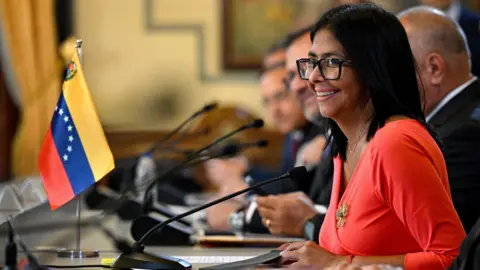
Myanmar has denied committing genocide against the Rohingya people, asserting that The Gambia has failed to provide sufficient proof as it commenced its defense at the United Nations’ top court. Ko Ko Hlaing, a representative from Myanmar's government, told judges at the International Court of Justice (ICJ) that the allegations were 'unsubstantiated'. Earlier, The Gambia’s foreign minister, Dawda Jallow, had claimed that Myanmar intended to erase the minority Muslim population through what he described as 'genocidal policies'.
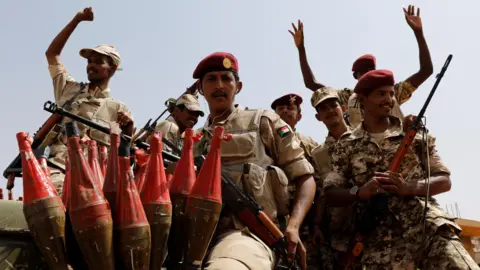
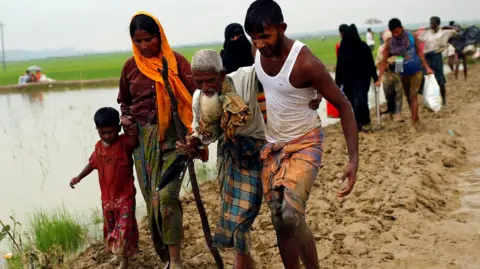
During an army crackdown in 2017, thousands of Rohingya were reportedly killed and over 700,000 fled to neighboring Bangladesh, sparking international outrage. A UN report from the following year suggested that the top military leaders in Myanmar should be investigated for genocide in Rakhine State and other crimes against humanity, a claim that the Myanmar government has consistently rejected, maintaining that its operations targeted insurgent threats.
On Friday, Hlaing conveyed to the ICJ that Myanmar felt it was not obliged to allow terrorists to operate freely in northern Rakhine state, where most of the Rohingya resided. Hlaing insisted that the military's actions were necessary to combat militant threats. The Gambia initially launched its case against Myanmar in 2019, claiming a moral obligation to advocate for the Rohingya based on its own history with military rule.
During the proceedings, Jallow described the Rohingya as having undergone decades of persecution, with oppressive propaganda preceding the military's drastic measures. ICJ judges will soon hear from witnesses, including Rohingya survivors. The final decision is expected in late 2026, which may set a precedent for future genocide cases, aiming to clarify the definition of genocide as per the 1948 UN Genocide Convention.