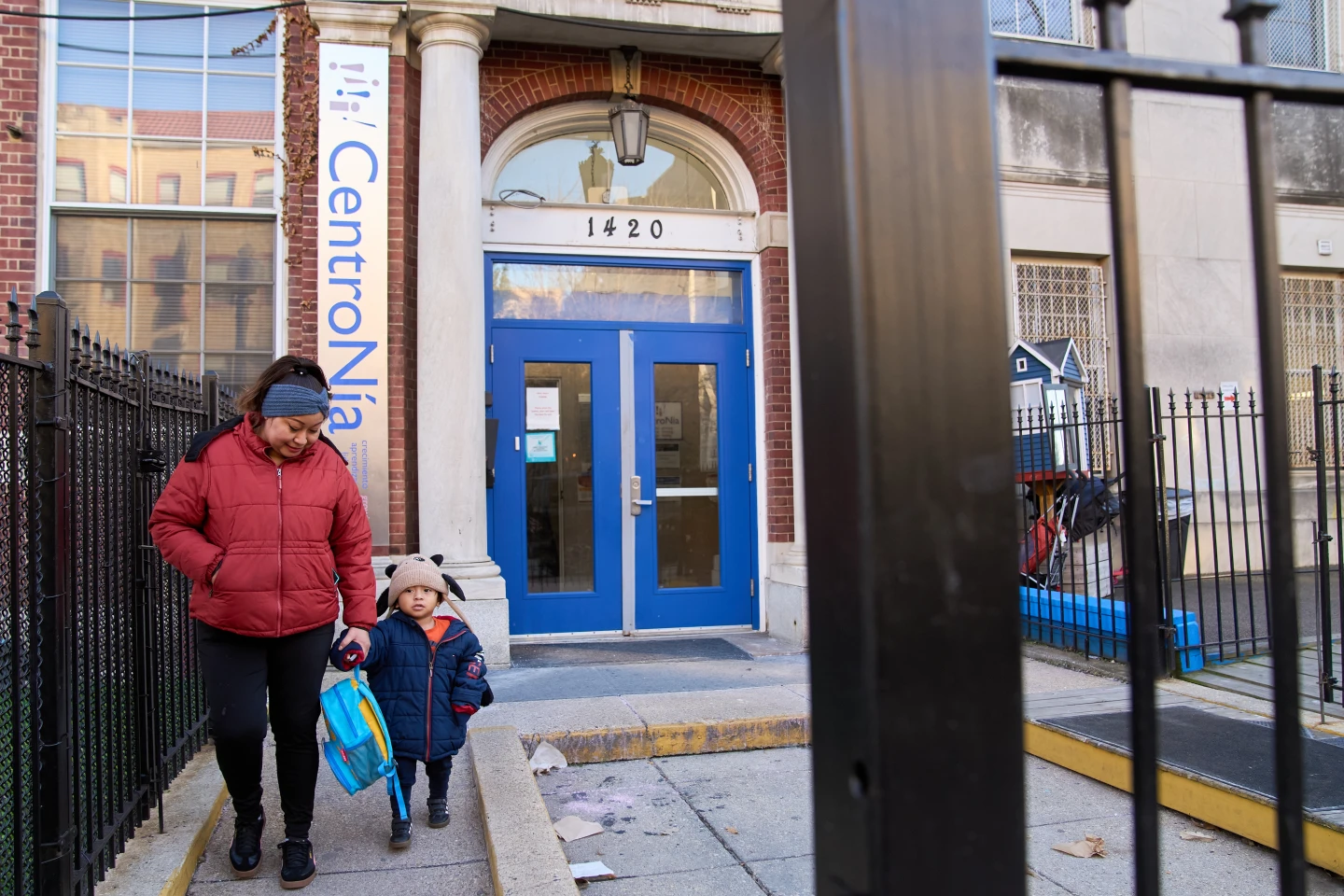
The deportation of a U.S. Marine’s father in California is drawing attention to the Trump administration's drastic changes to immigration policies that traditionally protected military families from deportation.
Historically, enlisting in the military not only provided a pathway for immigrants themselves but also included deference in their families' immigration cases, often enhancing their chances of obtaining a green card. It was estimated that around 40,000 non-citizens were serving in the military.
Current policies under President Joe Biden treated military service as a significant mitigating factor in immigration cases, intending to maintain recruitment and morale in the armed forces by preventing the deportation of service members' families.
Changes Under Trump’s Administration
However, a memo issued in February signaled a shift in this approach, indicating that immigration authorities would no longer exempt categories of individuals previously given grace, which now includes the families of service members and veterans.
Margaret Stock, an expert in military immigration law, noted that the change could have serious consequences. There are no specific criminal convictions that void these protections, but immigration decisions can vary significantly based on circumstances.
Consequences of Revoking Protections
As shown by the recent case of a Marine veteran’s wife being detained while seeking a green card, the repercussions of these policy changes are tangible. Other veterans without citizenship are increasingly fearing deportation as a result of these policies.
Impact on Recruitment
Experts warn that such changes could hinder military recruitment efforts. The military has long utilized immigration benefits as a recruitment tool, especially during times when U.S. citizen enlistment numbers are low. Without these immigration reassurances, potential recruits might hesitate to join the military, altering the dynamic of the armed forces significantly.