WASHINGTON (AP) — Following the U.S. military's recent decision to fire upon individuals clinging to the wreckage of a vessel alleged to be transporting drugs, Congress has increased its inquiry into the legality and implications of President Trump's military actions in international waters near Venezuela.
On September 2, military strikes targeting an alleged drug boat marked a significant escalation in operations, which have seen over 20 boats destroyed and more than 80 casualties. Military and congressional leaders are now closely examining the motives behind these strikes, especially the impact of a secondary attack that resulted in the deaths of two survivors.
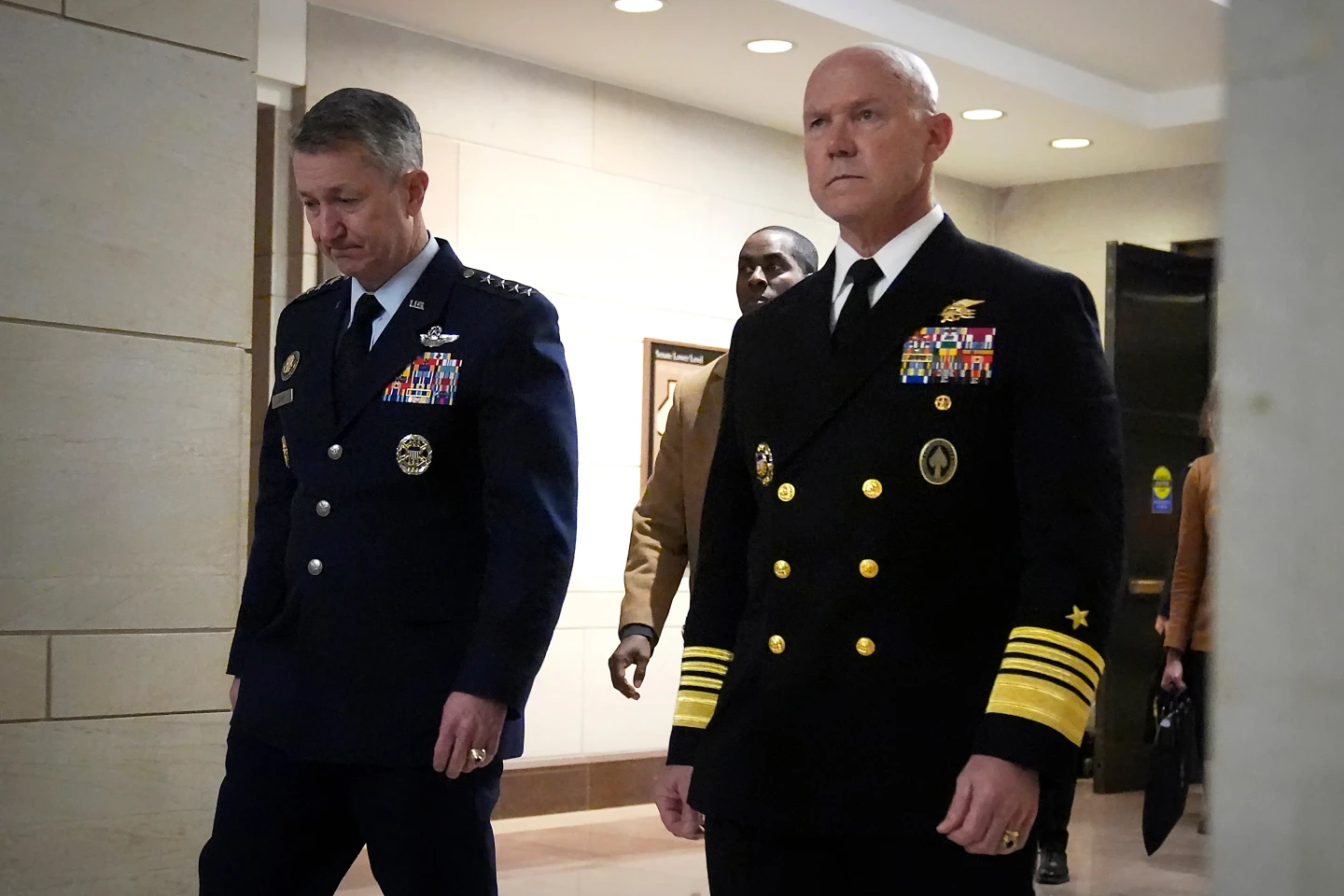
Adm. Frank “Mitch” Bradley, who authorized the initial strikes, clarified that Defense Secretary Pete Hegseth did not issue a direct kill order against the survivors. Yet, Democratic lawmakers voiced their concerns regarding the apparent mission objectives, which prioritized the destruction of both the drug supplies and the individuals on board.
This sequence of military actions has raised alarms about potential breaches of armed conflict laws designed to protect human rights. Lawmakers are particularly troubled by the shift in legal framing used by the Trump administration, equating drug smugglers to terrorists and thereby allowing for military engagement typically not reserved for law enforcement operations.
In their investigations, lawmakers are seeking to understand the orders that were issued for the attacks and whether military lawyers were adequately informed about legal justifications prior to the operation. Additionally, they are calling for the airing of legal opinions that underlie these military actions, with a focus on ensuring oversight of military engagement tactics.
As inquiries unfold and the administration faces mounting questions regarding the operations, the implications of this military campaign could have far-reaching consequences on U.S. foreign policy and military engagement strategies in the region.
On September 2, military strikes targeting an alleged drug boat marked a significant escalation in operations, which have seen over 20 boats destroyed and more than 80 casualties. Military and congressional leaders are now closely examining the motives behind these strikes, especially the impact of a secondary attack that resulted in the deaths of two survivors.
Adm. Frank “Mitch” Bradley, who authorized the initial strikes, clarified that Defense Secretary Pete Hegseth did not issue a direct kill order against the survivors. Yet, Democratic lawmakers voiced their concerns regarding the apparent mission objectives, which prioritized the destruction of both the drug supplies and the individuals on board.
This sequence of military actions has raised alarms about potential breaches of armed conflict laws designed to protect human rights. Lawmakers are particularly troubled by the shift in legal framing used by the Trump administration, equating drug smugglers to terrorists and thereby allowing for military engagement typically not reserved for law enforcement operations.
In their investigations, lawmakers are seeking to understand the orders that were issued for the attacks and whether military lawyers were adequately informed about legal justifications prior to the operation. Additionally, they are calling for the airing of legal opinions that underlie these military actions, with a focus on ensuring oversight of military engagement tactics.
As inquiries unfold and the administration faces mounting questions regarding the operations, the implications of this military campaign could have far-reaching consequences on U.S. foreign policy and military engagement strategies in the region.