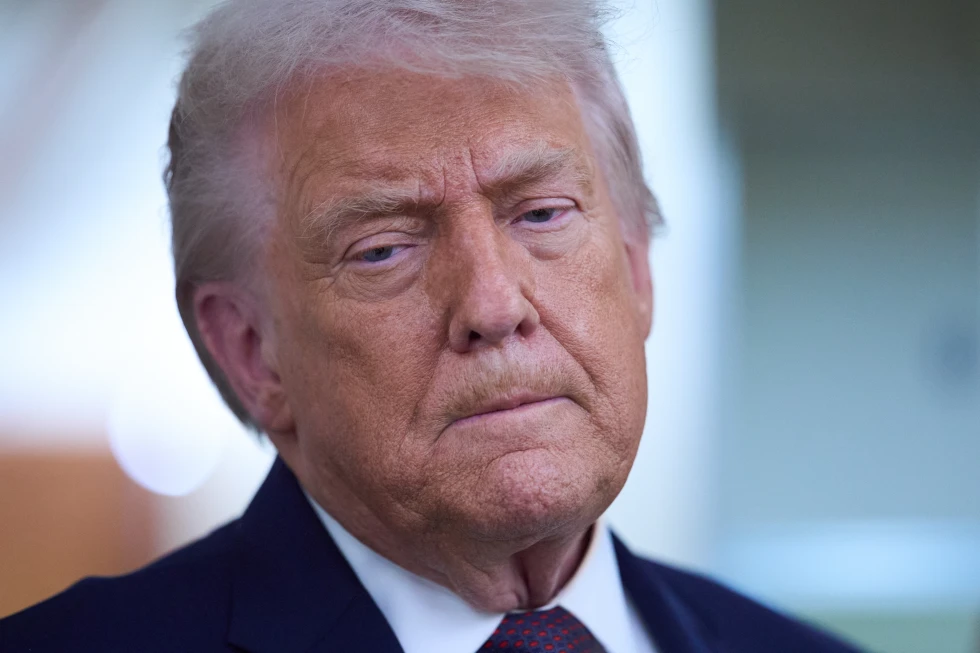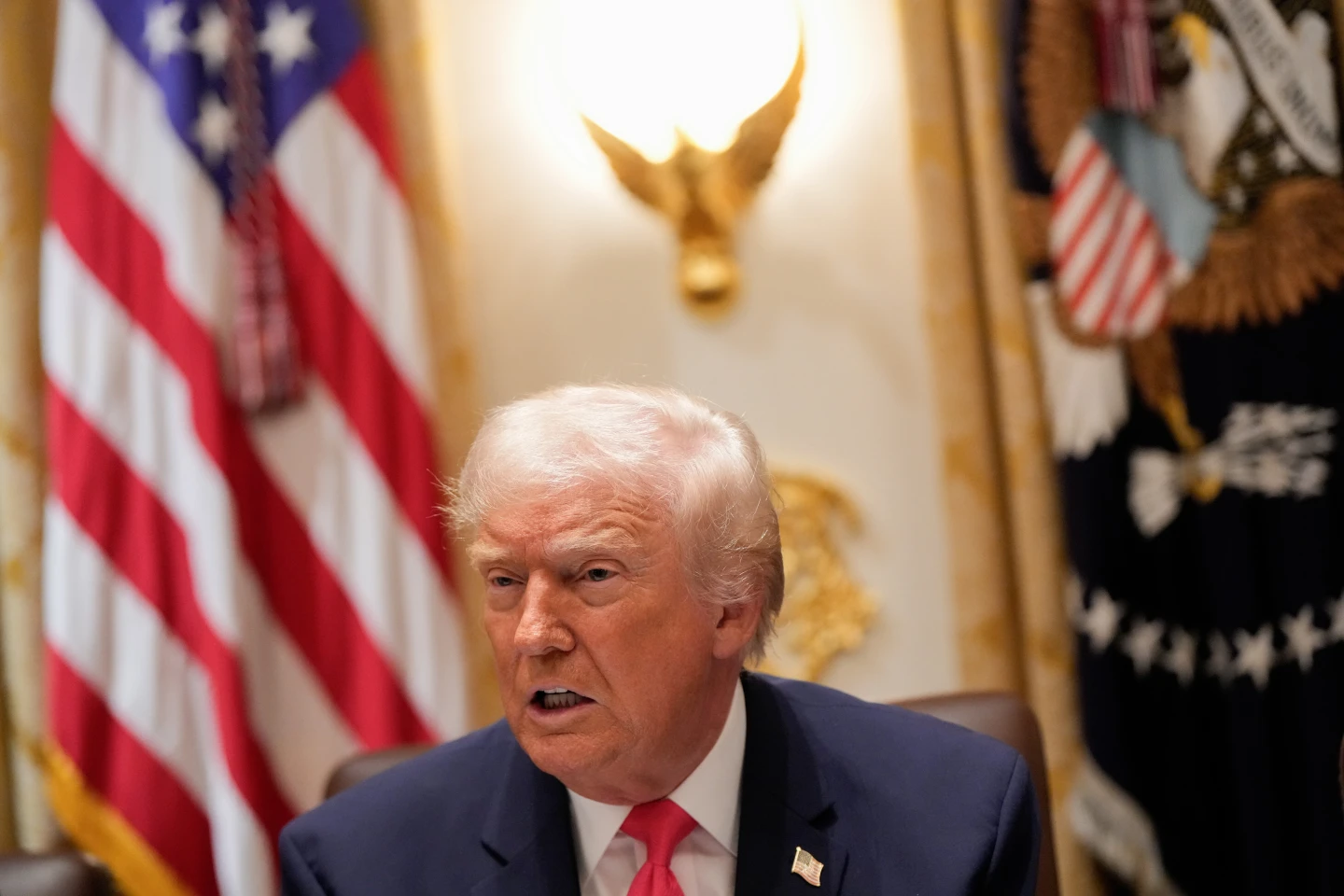
President Donald Trump recently reinforced his controversial stance on immigration, labeling Somali immigrants in the United States as 'garbage' during a Cabinet meeting.
His comments, made during a two-hour meeting, included a call for Somali immigrants to 'go back to where they came from.' This rhetoric has sparked widespread outrage and drawn parallels to his previous derogatory remarks about other immigrant communities, such as calling African countries 's—-hole countries.'
The meeting's atmosphere echoed the controversial nature of Trump's past immigration policies, which have often been criticized for their divisive and hostile tone. As Cabinet members applauded his remarks, experts noted that this type of language has become more normalized under Trump's leadership.
Carl Bon Tempo, a history professor, points out that Trump's approach has shifted public discourse about immigration in a more aggressive direction. His comments reflect a narrative that isolates certain immigrant groups, invoking a sense of 'us versus them' within American society.
Amid these comments, the Trump administration continues to tighten immigration policies, effectively limiting the asylum process and altering long-standing interpretations of citizenship law. Current debates include efforts to restrict birthright citizenship for children of undocumented immigrants, currently under review by the Supreme Court.
The sentiment expressed in Trump's statements also resonates with a segment of the American populace that has historically struggled with accepting certain immigrant groups, while the surge of anti-immigrant rhetoric under his presidency paints a troubling picture of national identity.
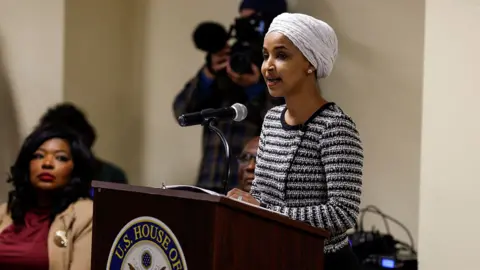
Reactions from Somali Americans have been swift, with representatives like Congresswoman Ilhan Omar stating that they will not be intimidated or scapegoated by such rhetoric. Residents in Somalia expressed disappointment and disbelief that their former homeland’s president could speak so disparagingly about them.
This incident reflects broader concerns about the implications of Trump's language on American discourse about race and immigration. Experts worry that such comments may embolden other leaders globally to adopt similarly provocative language.
Trump concluded his address unfazed by the backlash, insisting he does not care about the political correctness of his statements and maintaining his opposition to what he views as problematic immigrant groups.