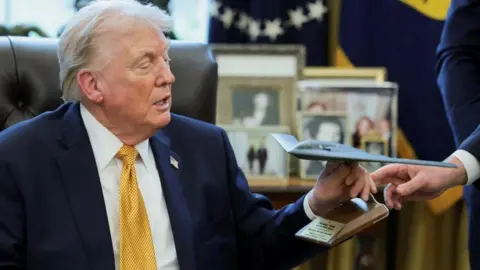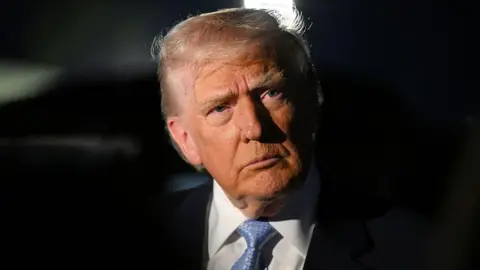
Earlier this month, US President Donald Trump sent a message to Iranians protesting against the regime that help is on its way. Since then, there has been a slow, steady and significant build-up of US military forces in the region. America, which is the world's most powerful military, has already shown it can strike Iran. Last June's operation Midnight Hammer targeted its nuclear facilities and involved over 100 aircraft, with B2 stealth jets successfully delivering precision guided bombs without any losses.
The ongoing military posture raises the question: Is the US readying another attack on Iran? Trump's recent social media posts suggest he could be, warning Iran that failure to agree to limits on its nuclear program could result in a far worse attack.
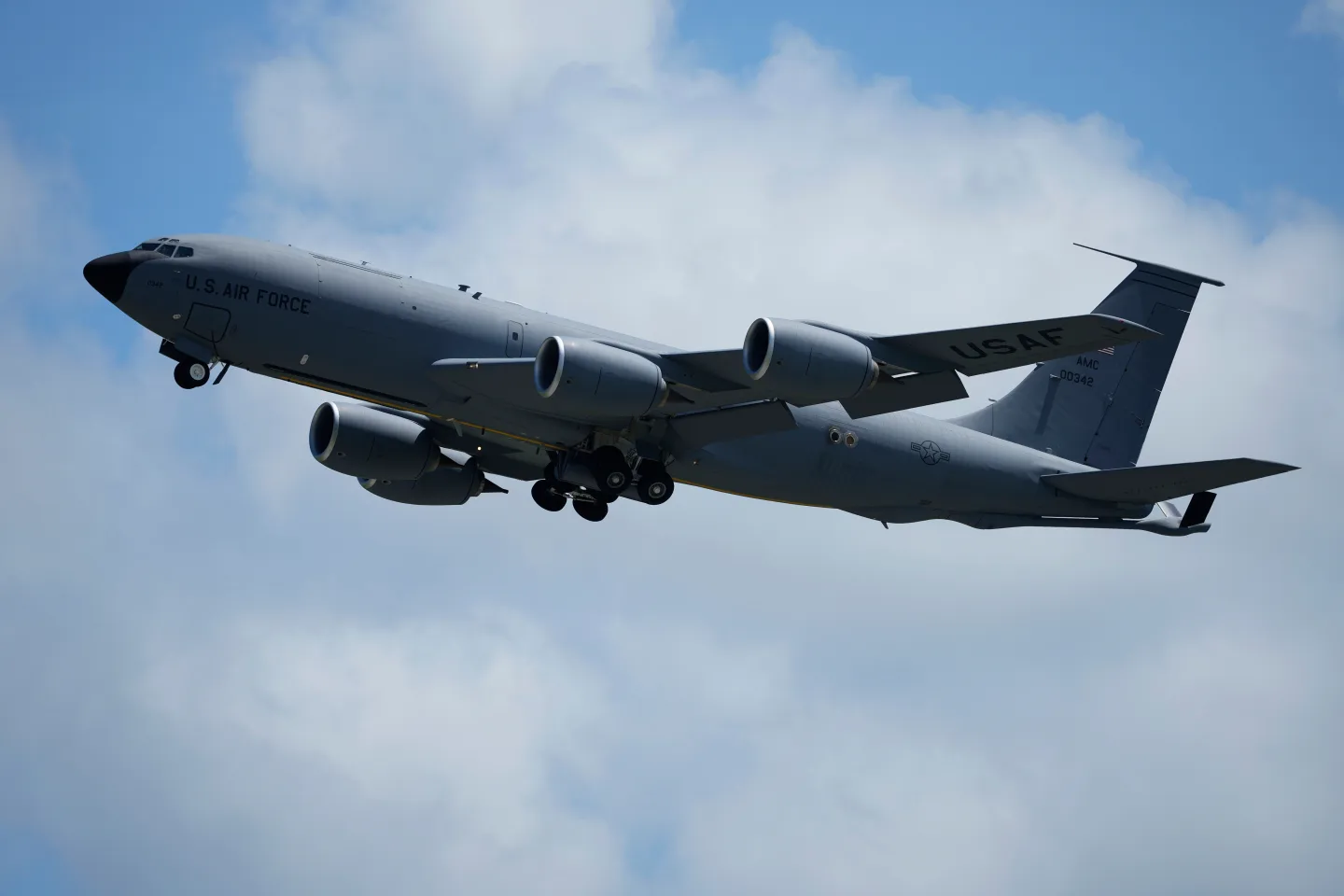
Currently, the US maintains a significant military presence in the Middle East, with approximately 50,000 personnel across bases in Qatar, Jordan, Saudi Arabia, and other countries. Recent intelligence reports have tracked scores of additional military aircraft arriving in the region, including F-15 fighters and transport aircraft that may carry enhanced air defense systems.
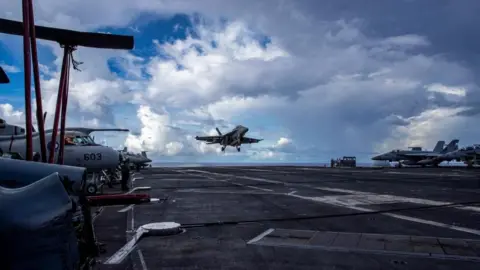
Furthermore, the movement of the USS Abraham Lincoln carrier strike group to the Gulf underscores the escalation. This group, which includes the latest stealth jets and Tomahawk missiles, symbolizes American military power and readiness.
Experts suggest various military targets for the US should Trump order an attack. These include Iran's ballistic missile capabilities and command centers, potentially impacting the IRGC and militias suppressing protests. While striking senior leadership poses higher risks, the cumulative impact remains uncertain.
Despite his willingness to use military force, Trump has shown a preference for limited and swift interventions, alongside keeping the door open for diplomatic negotiations with Iran.
The dynamic situation creates a delicate balance for the US, weighing the desire to act decisively against the potential risks and challenges involved.}
The ongoing military posture raises the question: Is the US readying another attack on Iran? Trump's recent social media posts suggest he could be, warning Iran that failure to agree to limits on its nuclear program could result in a far worse attack.
Currently, the US maintains a significant military presence in the Middle East, with approximately 50,000 personnel across bases in Qatar, Jordan, Saudi Arabia, and other countries. Recent intelligence reports have tracked scores of additional military aircraft arriving in the region, including F-15 fighters and transport aircraft that may carry enhanced air defense systems.
Furthermore, the movement of the USS Abraham Lincoln carrier strike group to the Gulf underscores the escalation. This group, which includes the latest stealth jets and Tomahawk missiles, symbolizes American military power and readiness.
Experts suggest various military targets for the US should Trump order an attack. These include Iran's ballistic missile capabilities and command centers, potentially impacting the IRGC and militias suppressing protests. While striking senior leadership poses higher risks, the cumulative impact remains uncertain.
Despite his willingness to use military force, Trump has shown a preference for limited and swift interventions, alongside keeping the door open for diplomatic negotiations with Iran.
The dynamic situation creates a delicate balance for the US, weighing the desire to act decisively against the potential risks and challenges involved.}