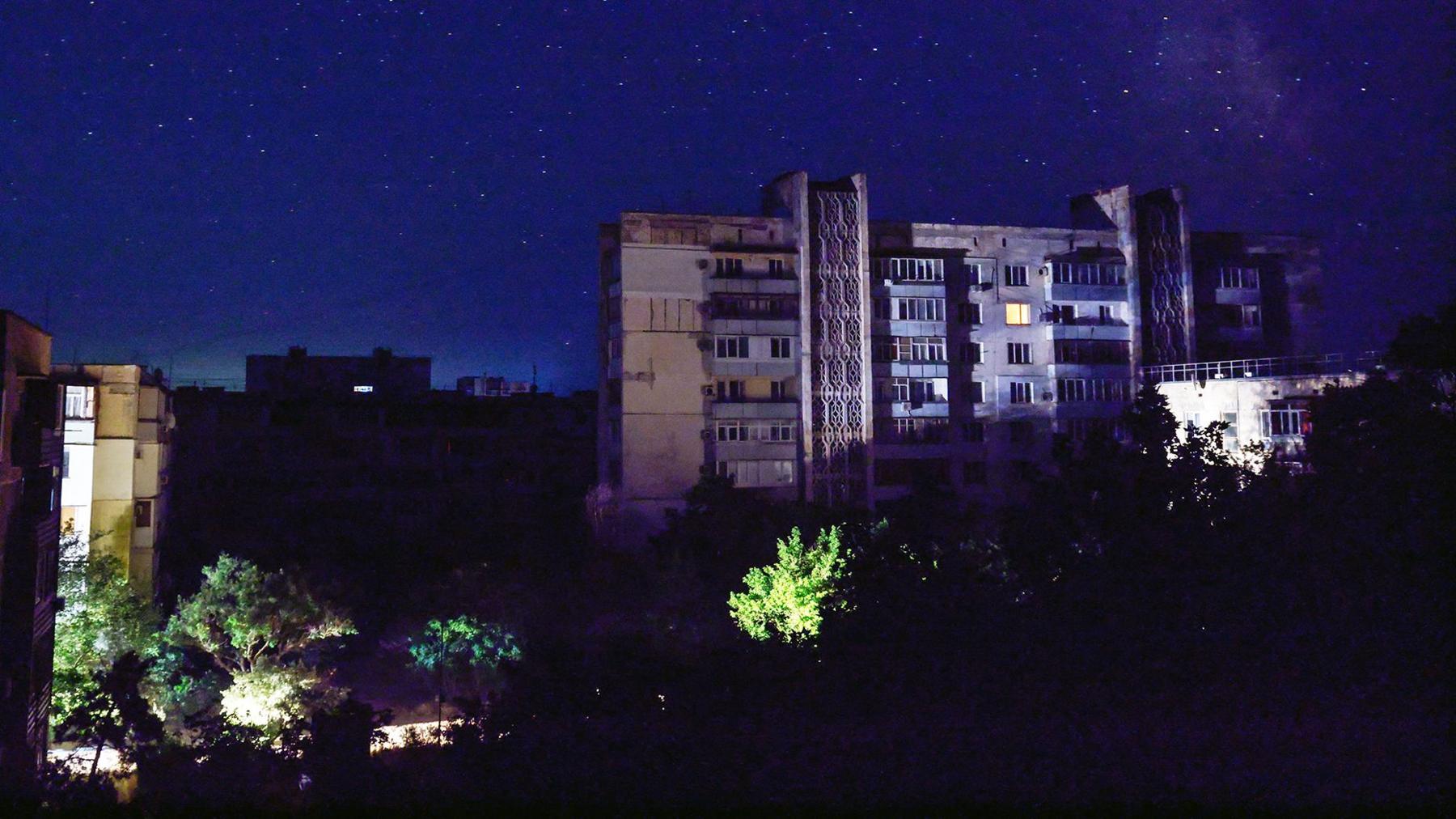
Madagascar has declared a two-week nationwide state of energy emergency amid severe fuel shortages caused by the US and Israel's war in Iran.
The presidency stated that the decision followed a cabinet meeting amid fears that the ongoing situation could lead to public disorder.
The Indian Ocean island nation heavily relies on oil imports from the Middle East for electricity generation, and supply chains are expected to remain disrupted for some time. Despite a temporary ceasefire announced recently, it is uncertain how soon fuel supply will stabilize.
Last year, Madagascar faced protests due to persistent power and water shortages, which escalated into broader unrest leading to a military takeover.
While the government is yet to clarify its specific measures, it has indicated it now possesses the authority to stabilize the energy sector, manage consumption effectively, and ensure the continuity of public services.
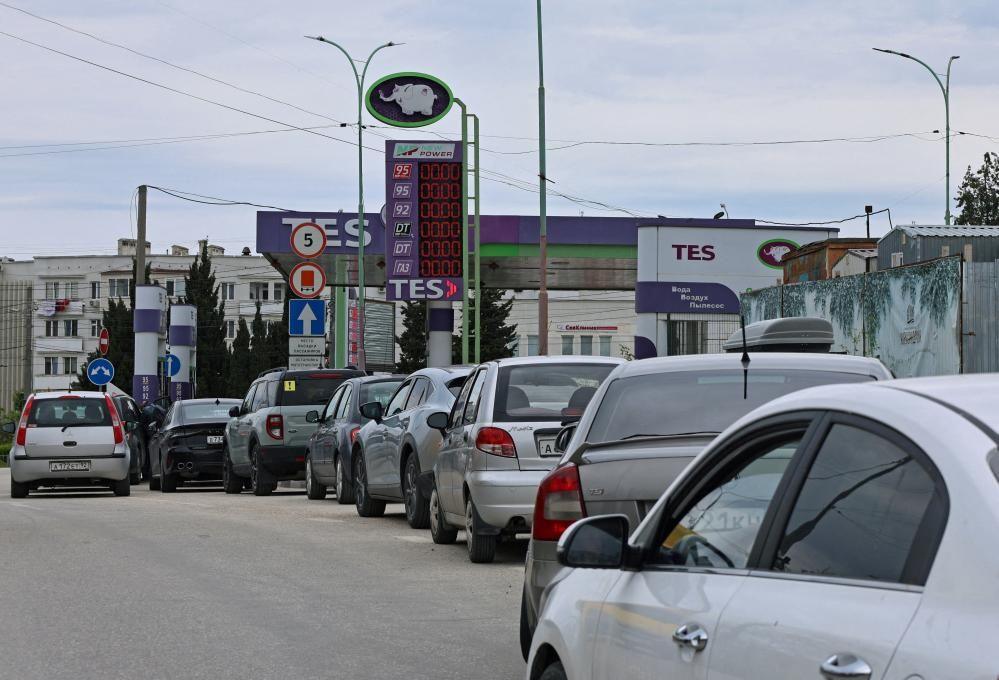
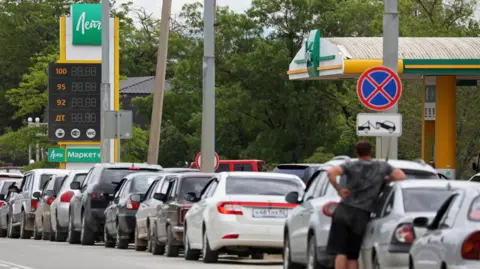
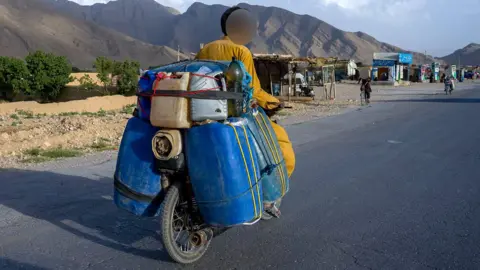
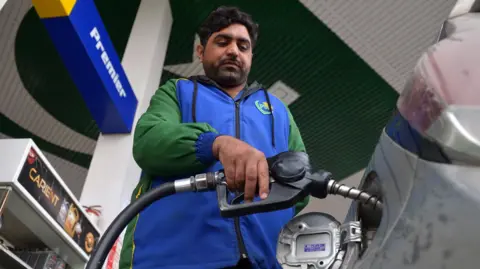
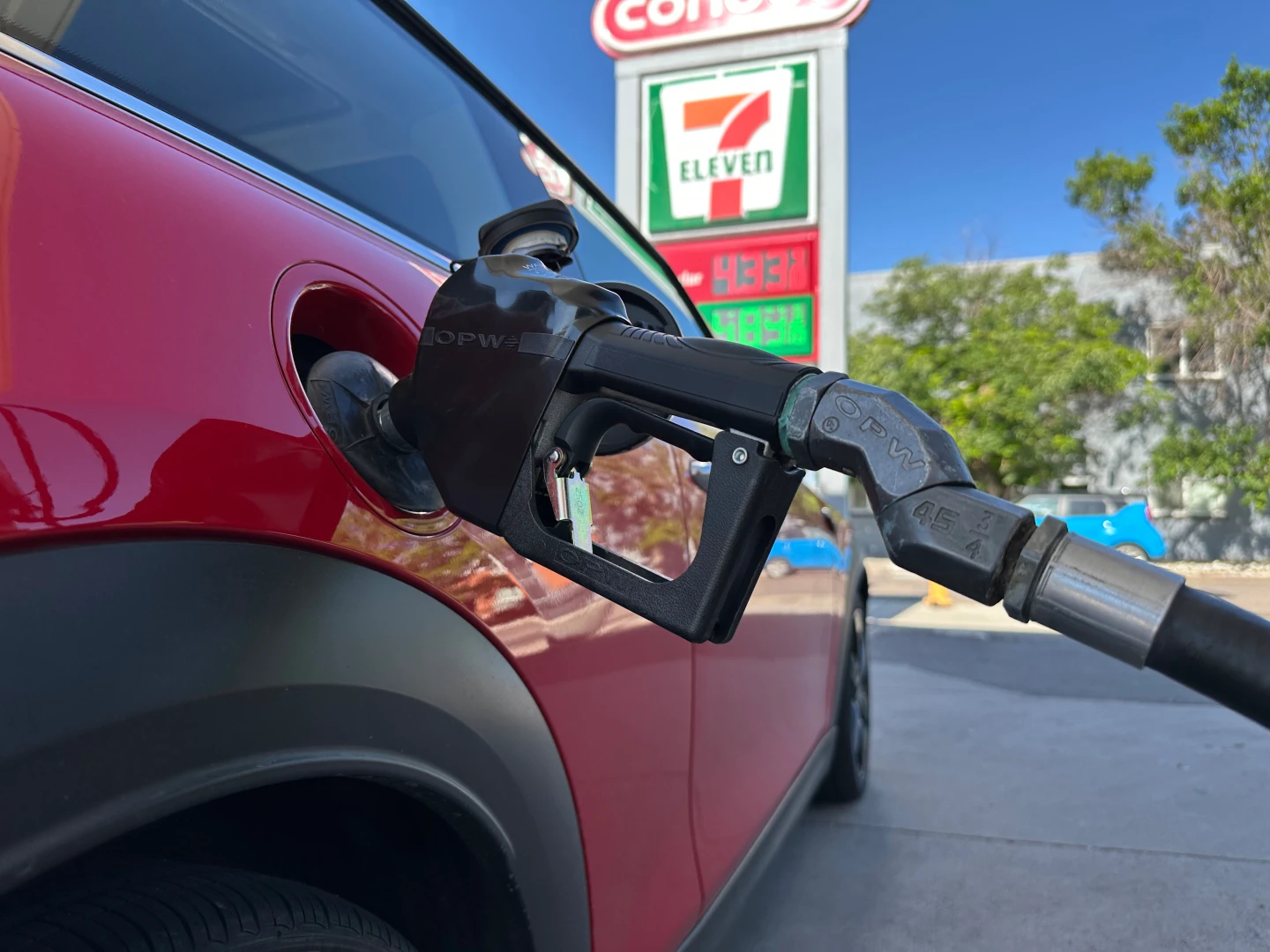
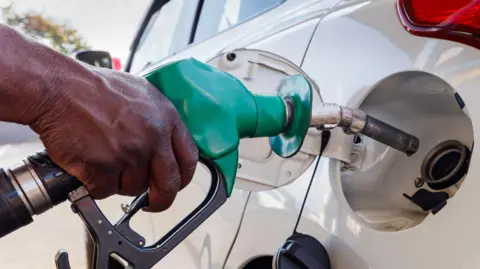
Prices at the pump haven't yet risen since the crisis began, but there are reports of significant shortages, leading to long queues at petrol stations. Following the declaration of the state of emergency, some stations have resorted to rationing fuel, with customers limited in how much they can purchase.
Most of Madagascar's oil comes from Oman, navigating the critical Strait of Hormuz, which operates under the shadow of the ongoing conflict that erupted on February 28th. Experts warn that restoring the region's supply capacity may take months or even years, as oil prices remain significantly higher than in the lead-up to the conflict.
Other African nations are implementing measures in response to similar oil supply challenges—The Gambia has suspended non-essential government travel, while Zambia and Botswana have suspended taxes and levies on fuel to ease consumer strain.