WASHINGTON (AP) — A federal judge on Monday refused to temporarily block the Trump administration from enforcing a controversial policy that requires a week's notice before members of Congress can visit immigration detention facilities.
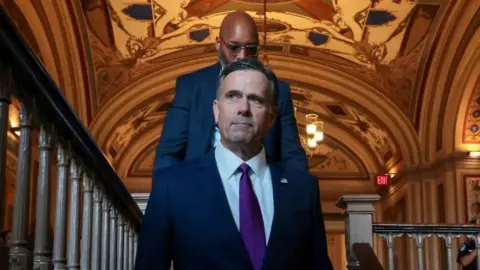
U.S. District Judge Jia Cobb in Washington, D.C., ruled that the Department of Homeland Security (DHS) did not violate a prior court order by re-establishing the seven-day notice requirement for congressional oversight visits to Immigration and Customs Enforcement (ICE) facilities.
Cobb clarified that her decision did not determine the legality of the new policy. Instead, she indicated that the plaintiffs, representing several Democratic lawmakers, had chosen the incorrect legal approach in challenging it.
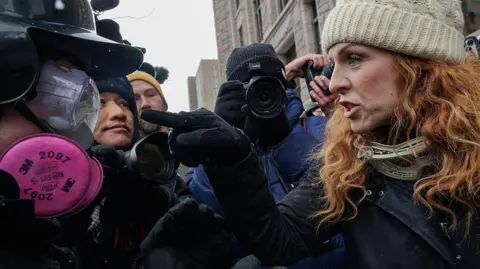
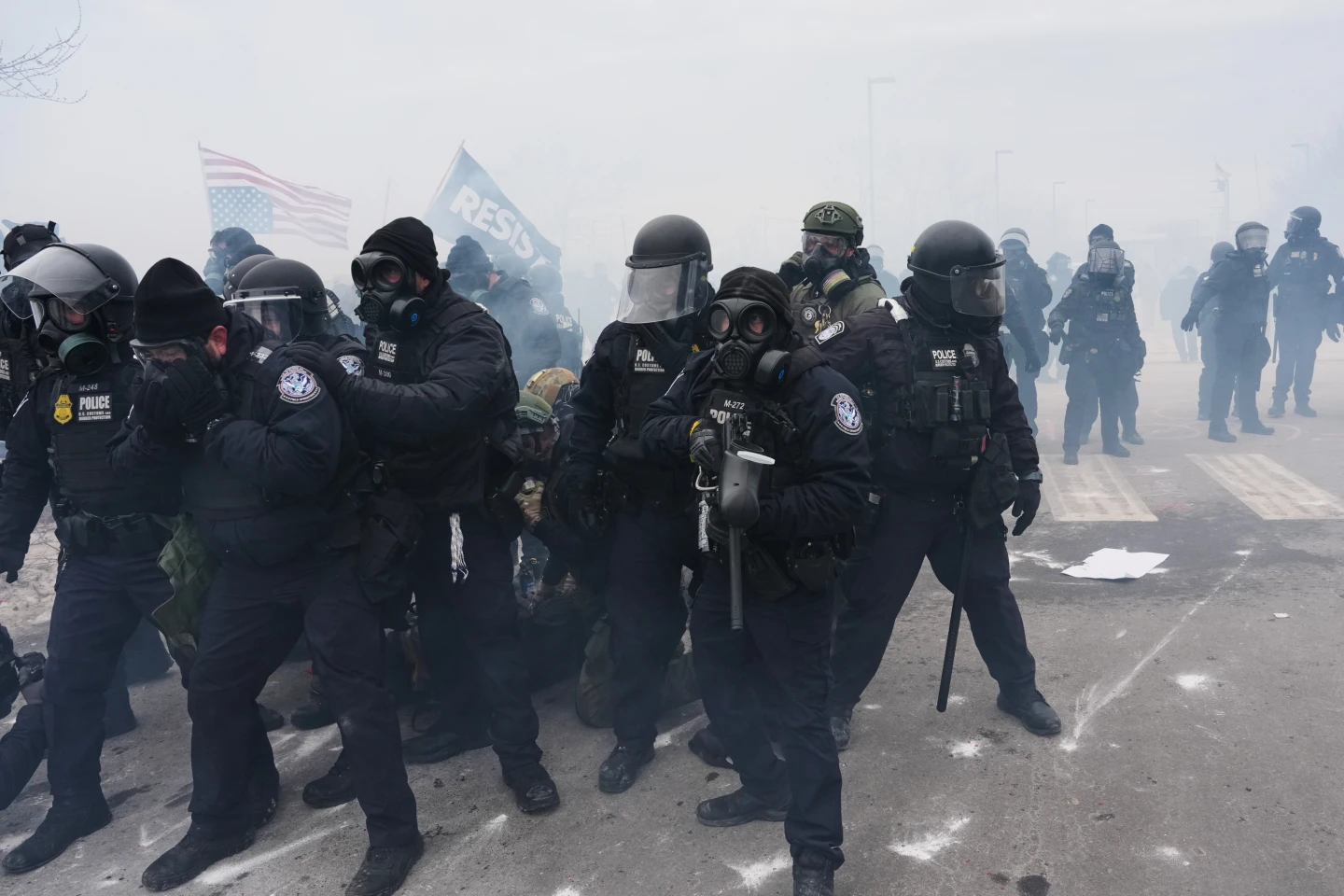
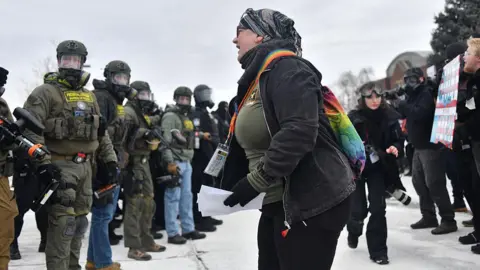
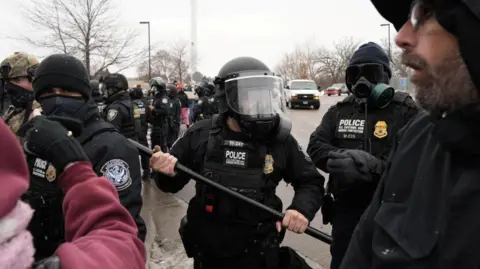
This ruling comes in the wake of an incident where three Democratic members of Congress were barred from entering an ICE facility in Minneapolis shortly after a high-profile shooting involving an ICE officer.
The newly reinstated policy sparked considerable outrage, particularly since it contradicts an earlier written ruling where Cobb had indicated that such restrictions likely infringe on congressional oversight rights.
On January 8, the new memorandum was signed by DHS Secretary Kristi Noem, which set forth the seven-day notification requirement. Plaintiffs' attorneys have argued that this policy was not disclosed until after congressional members attempted to visit, raising further concerns about transparency and oversight.
Last month's block on the oversight policy indicated that imposing such notice is likely illegal from a legal standpoint, emphasizing the difficulties faced by Congress members in overseeing ICE operations without such transparency.
Democracy Forward spokesperson Melissa Schwartz mentioned that they are currently reviewing the implications of this ruling, stressing their commitment to utilizing all available legal avenues to ensure the administration's compliance with oversight laws.
Moreover, it's important to note that a law exists preventing DHS from utilizing appropriated funds to block congressional access to its facilities, which adds another layer to the debate on the legality of DHS's actions in enforcing this policy.
The urgency of this matter is heightened, as Congress negotiates funding for DHS and ICE ahead of the upcoming fiscal deadline.