Israeli air strikes hit Tyre, Lebanon despite Iranian warning to stop attacks
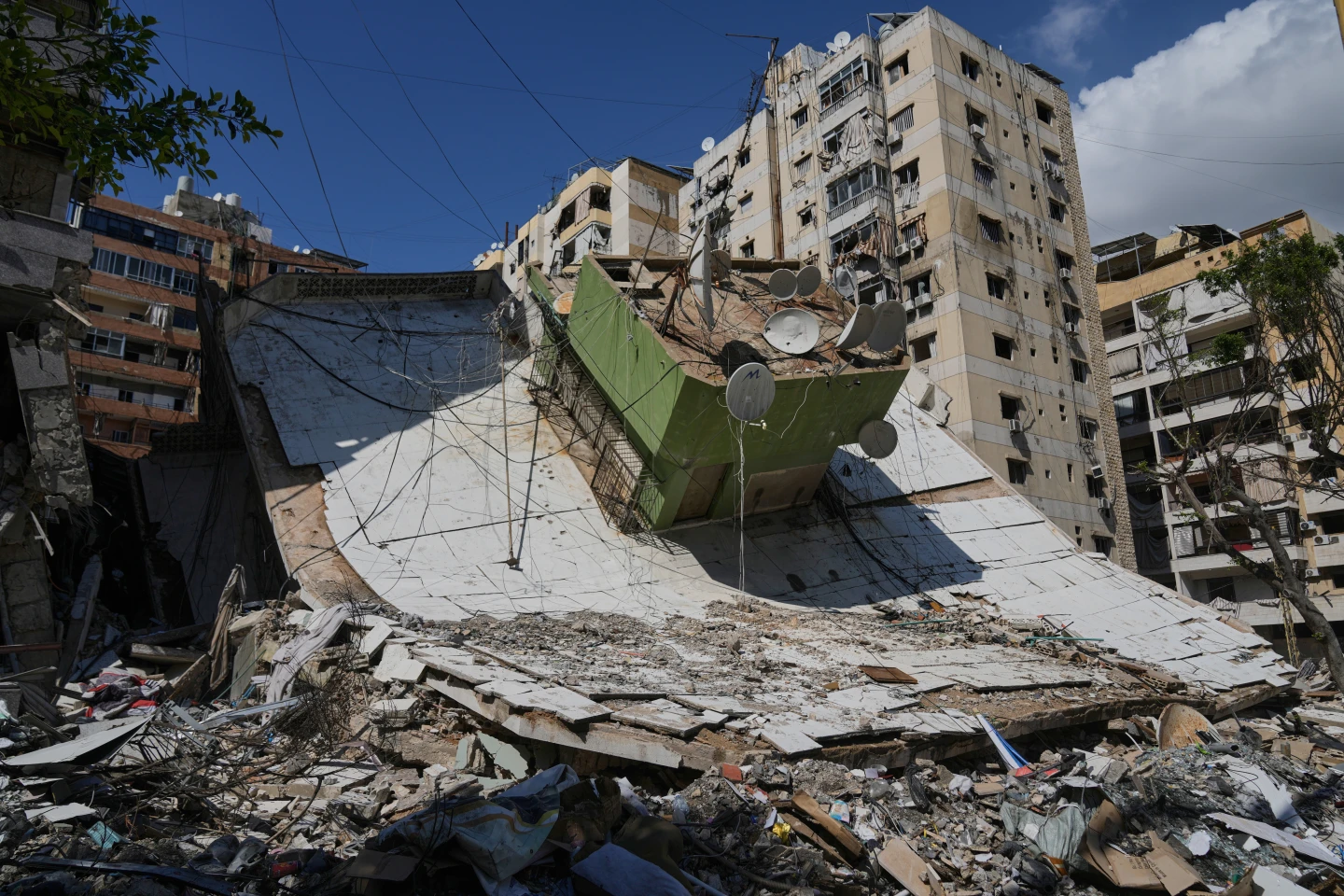
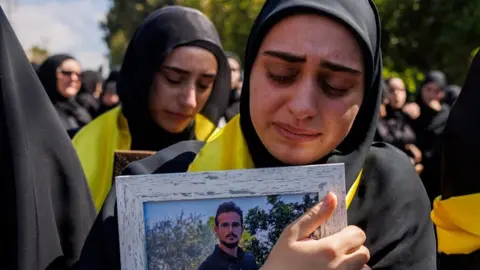
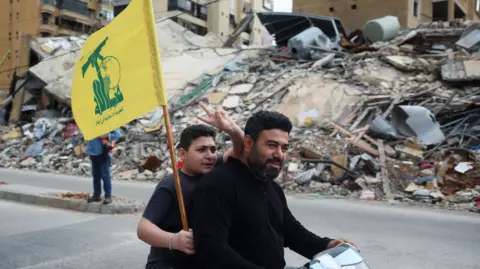
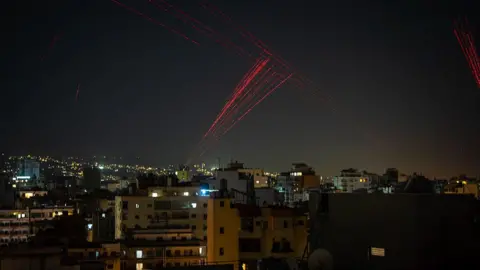
Israel carried out a series of aerial attacks in the southern Lebanese city of Tyre on the evening of June 9, killing at least eight civilians and wounding more than three dozen according to the Lebanese health ministry.
The strikes came after a brief Israel‑Iran pause, in which Tehran warned it would retaliate if Israeli attacks on Lebanon resumed. Israeli officials denied any direct Iranian control, saying the campaign targeted Hezbollah infrastructure in southern Lebanon.
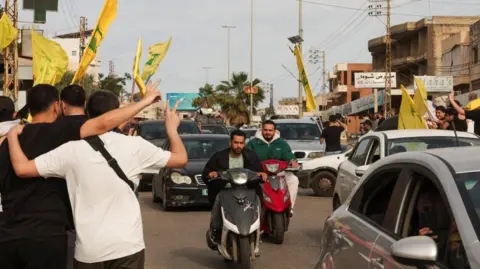
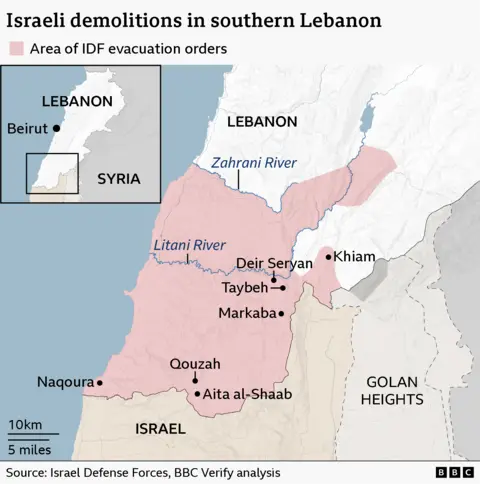
Following the assault, the Israeli military issued a fresh evacuation order for Tyre residents, for the first time including the city’s Christian quarter in the northwest. Hundreds fled from the coastal suburbs, with many animals and belongings tied to car roofs. Several residents, including a Christian woman named Elias Barbour and a man named Mohammed Mustafa, expressed disbelief at the accusations that Hezbollah fighters were present.
The hit on Tyre’s residential buildings coincided with a pre‑dawn drone strike near the town of Kfar Roummane, killing at least two people. The same day, Israeli forces also struck across southern Lebanon, killing two Syrian nationals in the villages of Ansariyeh and Aadloun.
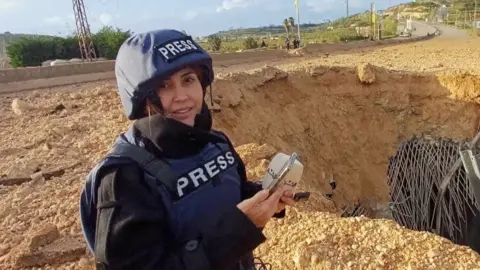
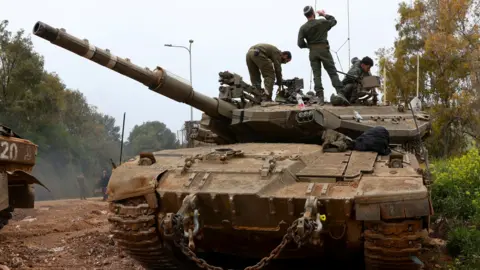
In a separate statement, Lt. Gen. Eyal Zamir confirmed that Israeli troops remained active in the Galilee region, searching for cross‑border militants and dismantling Hezbollah infrastructure. The Israeli military also announced a separate incident in which troops in the Ramim Ridge area shot down a “terrorist” who crossed into Israeli territory.
Hezbollah claimed it launched rockets at the Israeli military site at Maroun al‑Ras and fired drones at Israeli positions further north. In response, the Iranian armed forces halted operations, pledging more severe measures if Israel continued to attack Lebanon or Iran.
Israeli Prime Minister Benjamin Netanyahu reiterated an overall pause in fire, but warned that Israel’s campaign against Iran and Hezbollah was ongoing, ready to use “overwhelming force” if necessary. Gen. Zamir also emphasized that Iran’s attempts to dictate new rules would fail.
The escalation complicates President Trump’s effort to broker a lasting ceasefire between the U.S., Israel, and Iran. The U.N. reports that nearly a million Lebanese are displaced and 1.4 million need humanitarian aid.
The conflict that began in March over Hezbollah’s rockets tearing into Israel—and the subsequent strike that killed Iran’s supreme leader—has seen continued clashes, with at least 3,666 Lebanese dead, according to the health ministry.
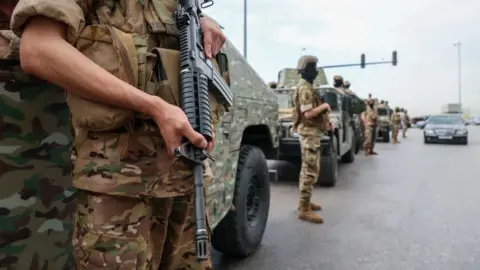
The latest drone and artillery strikes further deepen the precarious situation, raising fears of a potential regional outbreak beyond the Israel‑Lebanon frontier. The international community watches as diplomatic negotiations stall, while local residents watch their homes become battlegrounds.
Image: Smoke and debris rise following an Israeli air strike in Tyre, southern Lebanon (9 June 2026). Source: AFP