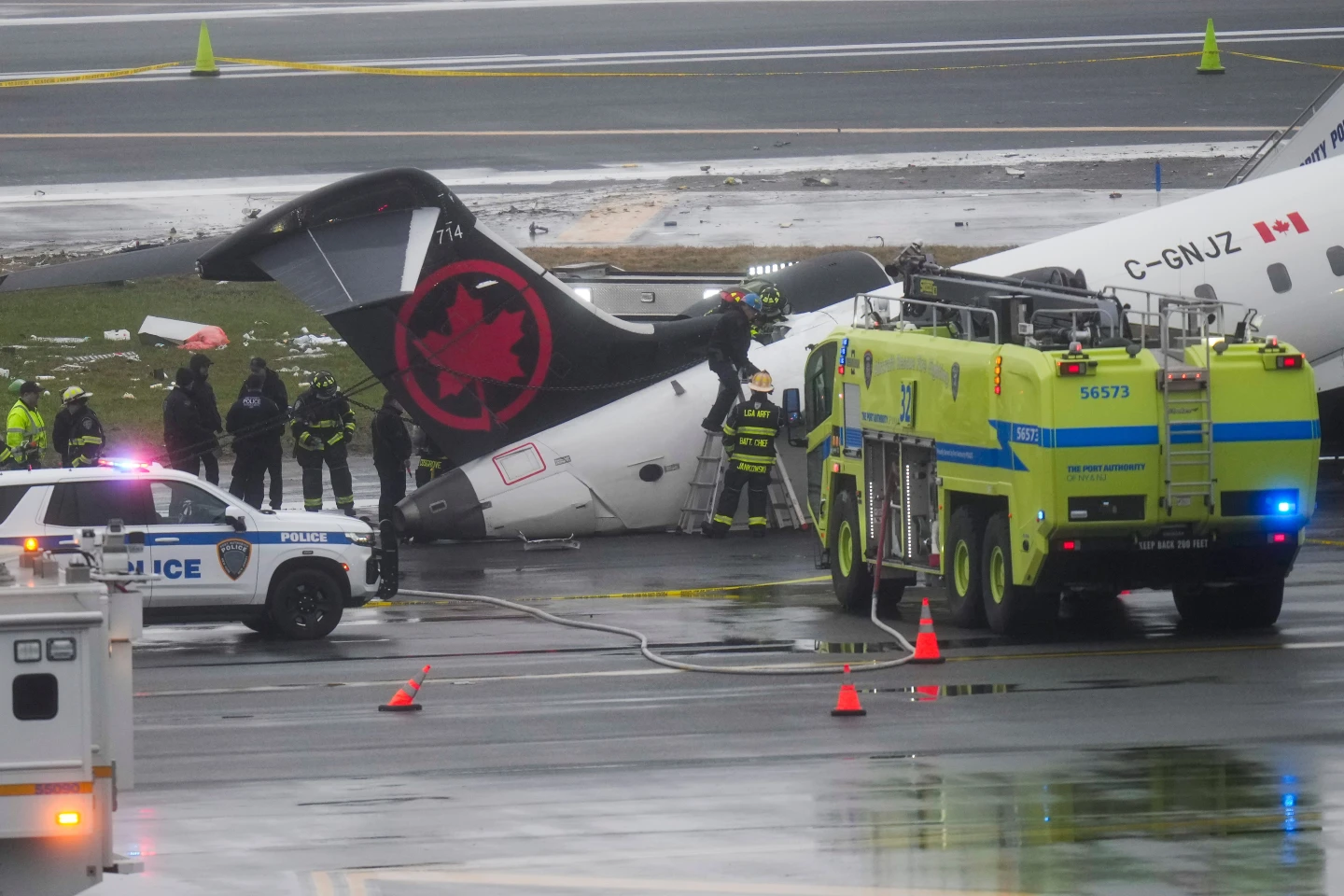
Federal investigators on Thursday detailed a series of issues leading up to last month’s deadly collision between a regional jet and a fire truck at New York’s LaGuardia Airport.
According to a preliminary report from the National Transportation Safety Board (NTSB), the truck failed to heed signals while lacking a transponder that would have aided the crash warning system. The incident coincided with unusually heavy air traffic and an emergency response requiring multiple vehicles.
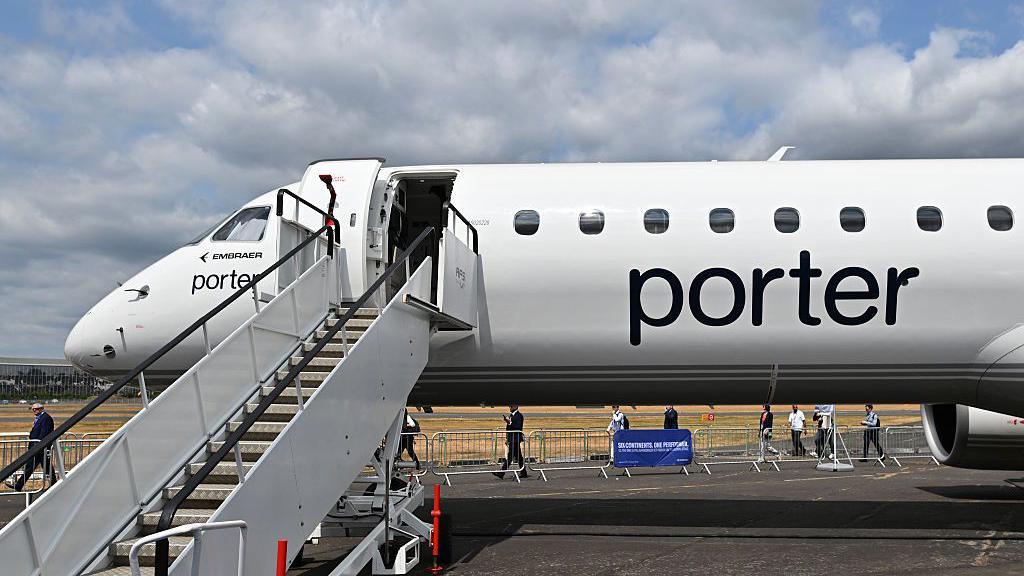
Air Canada Express Flight 8646, a regional jet from Montreal carrying 76 individuals, crashed into the fire truck seconds after landing on March 22, resulting in the deaths of both pilots and injuries to 39 others.
This marked the first deadly collision at LaGuardia in 34 years. The NTSB report identified key factors that contributed to the tragic event, and experts pointed out that the air traffic control system was overloaded during the nighttime incident.
Busy Air Traffic Controllers
Two controllers were on duty during the crash, managing an exceptionally high volume of arriving and departing flights at LaGuardia. Due to prior delays, traffic was more than double what was scheduled, intensifying the pressure on the air traffic control team.
Simultaneously, one controller was handling an emergency situation involving a departing flight, complicating the task of directing ground traffic. Experts have criticized the overwhelming demands placed on the controllers in this incident.
No Transponder on the Fire Truck
LaGuardia features an advanced surveillance system to track both aircraft and vehicles on the ground. Unfortunately, because the fire truck involved lacked a transponder, its location and movement could not be accurately monitored by the air traffic control system, leading to catastrophic consequences.
Red Lights Were On
The incident escalated when the fire crew attempted to cross a runway that had active warning lights, signaling the approach of the landing jet. Despite these critical alerts, the truck was cleared to cross—a mistake that investigators are addressing.
‘Stop, Stop, Stop’ Communication
In the final moments before the collision, controllers attempted to alert the truck's crew to the impending danger, but communication breakdowns occurred, causing confusion. Experts noted that even with an immediate response, the truck’s speed may have made a safe stop impossible.
The investigation continues as authorities aim to understand how such key mistakes occurred in the tragedy that claimed lives and left many injured.