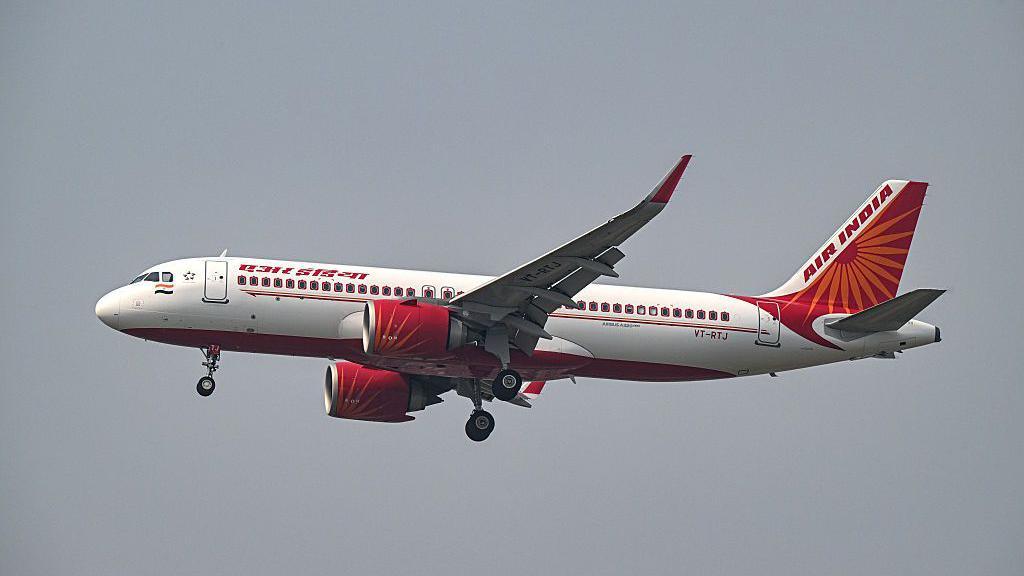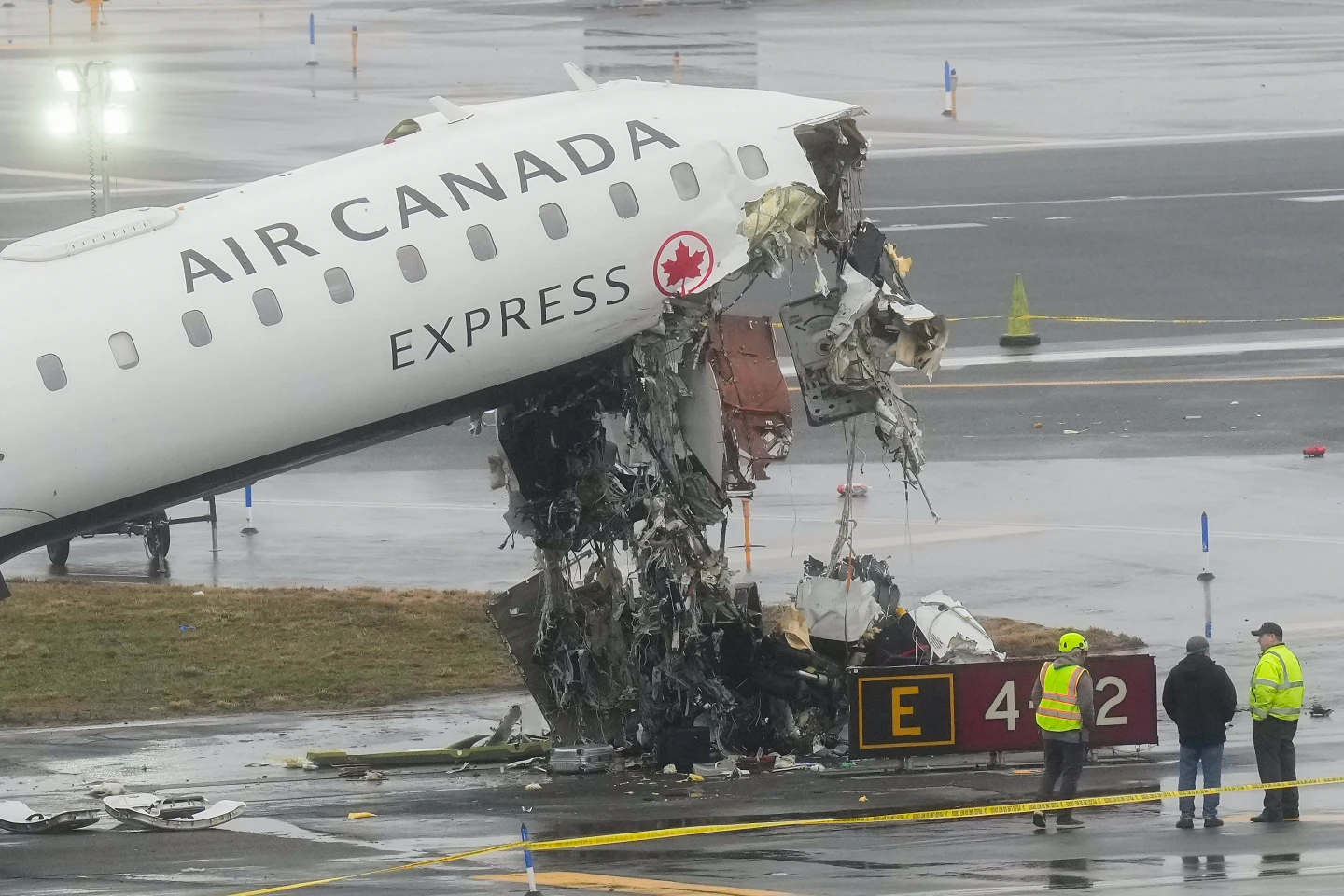
NEW YORK — A firefighter's truck collided with an Air Canada jet at LaGuardia Airport last month, resulting in the tragic deaths of both pilots. Recent findings from the National Transportation Safety Board (NTSB) shed light on the catastrophic events leading up to the collision.
According to a preliminary report released Thursday, the firefighter operator reportedly heard an air traffic controller issue a warning to stop, stop, stop, but it was unclear who the warning was directed to. This miscommunication occurred shortly after the truck was cleared to cross the runway just 12 seconds prior to the jet's landing.
The NTSB's investigation revealed that the airport's crash prevention system failed to activate an audio or visual alert in the control tower. Lights designed to signal stop for any vehicles entering the runway were illuminated until merely three seconds before the catastrophic incident. This failure of communication and technology has raised serious questions regarding safety protocols at one of the busiest airports in the U.S.
In the moments leading up to the collision, the firefighting vehicle had already crossed onto the runway when the Air Canada Express Flight 8646 was making its landing approach. The incident claimed the lives of pilots Antoine Forest, age 24, and Mackenzie Gunther, age 30. Approximately 40 others were injured, including the two individuals who were operating the fire truck.
Furthermore, the crash was compounded by a busy operational environment at LaGuardia that night, with air traffic more than double the normal volume due to flight delays. The layering of this pressure on the air traffic control tower has been noted as a contributing factor to the oversight.
The investigative body has marked this incident as the first deadly crash at LaGuardia in 34 years. The findings have prompted urgent calls for a review of the safety systems in place and broader reforms to air traffic control operations in order to prevent future tragedies.