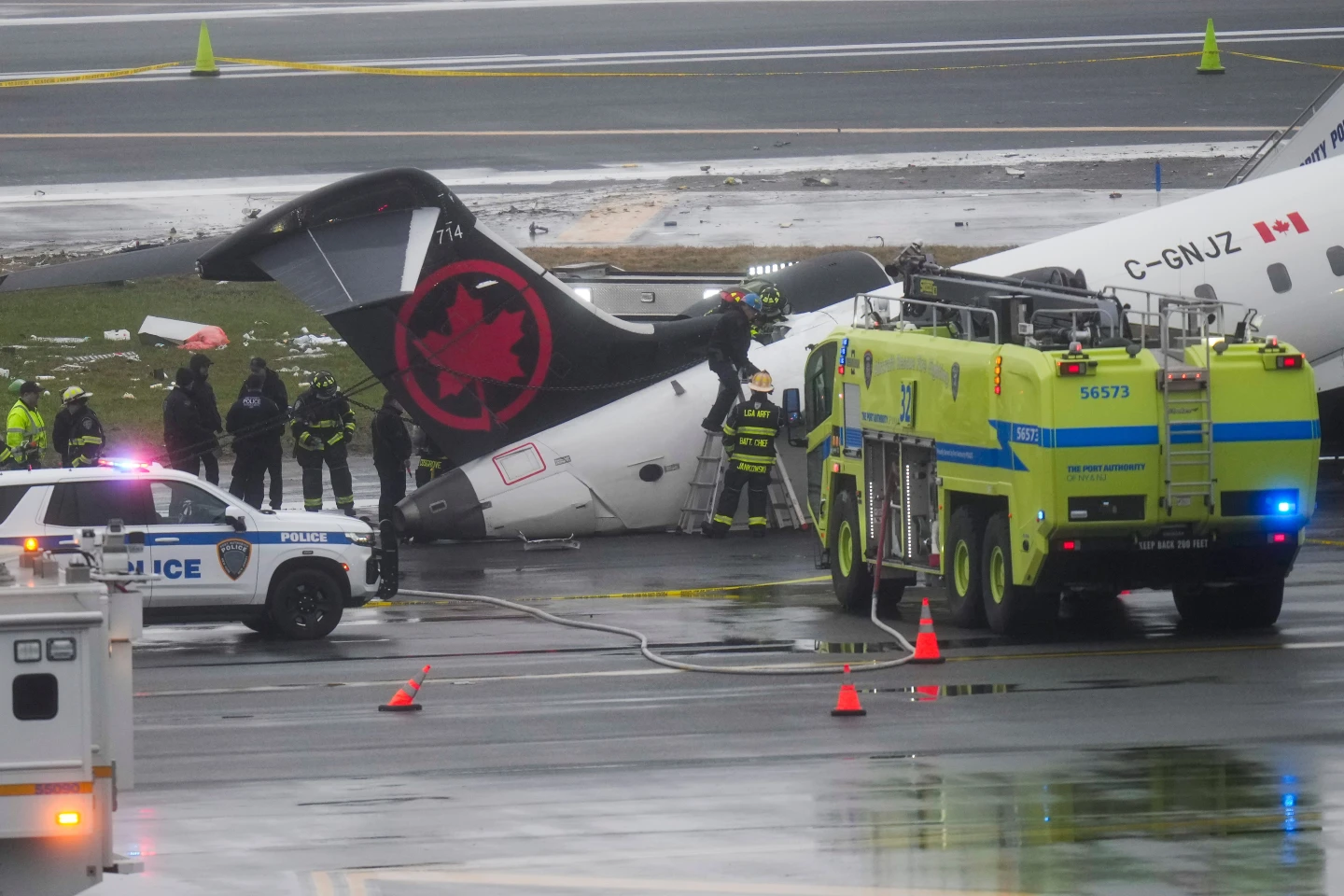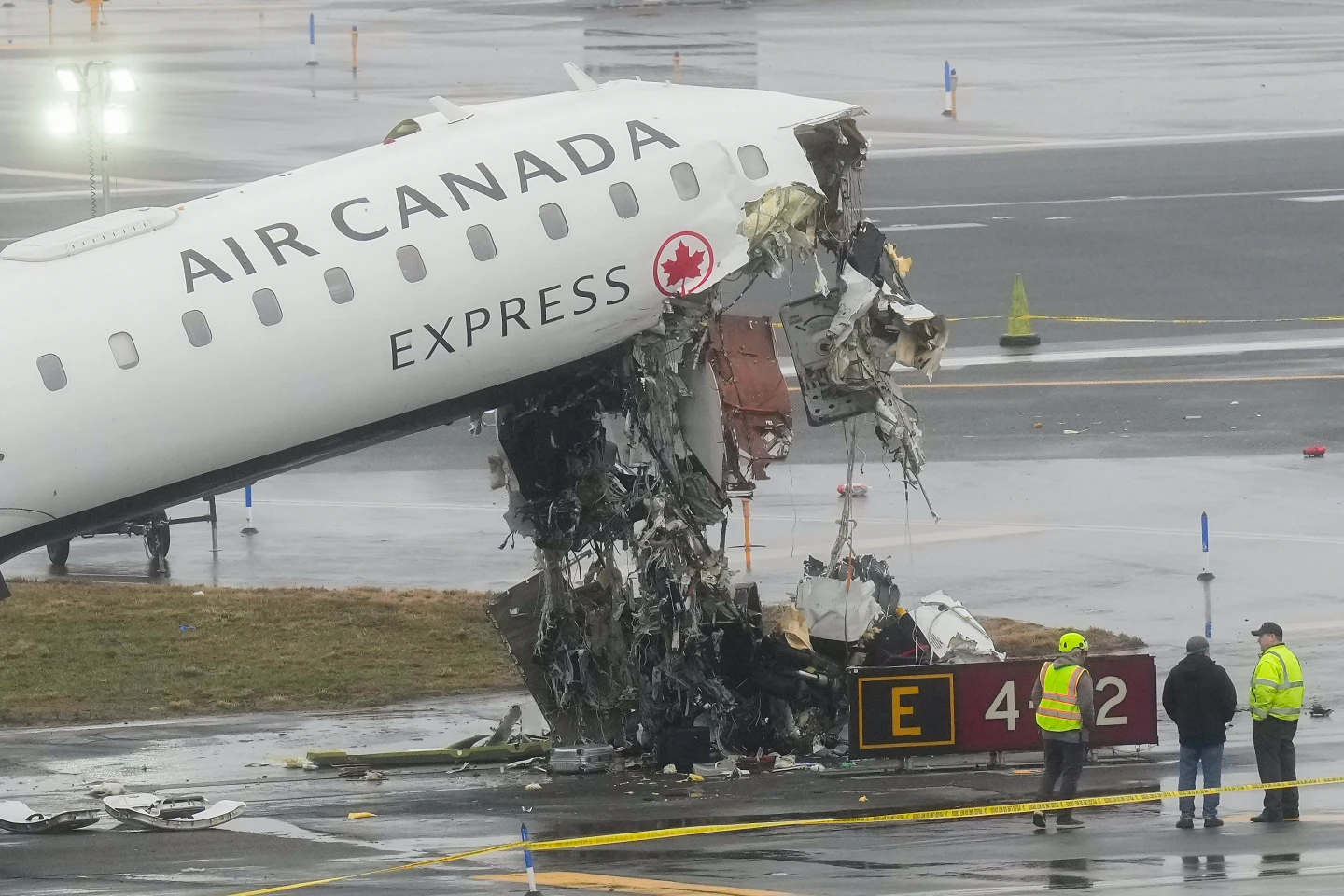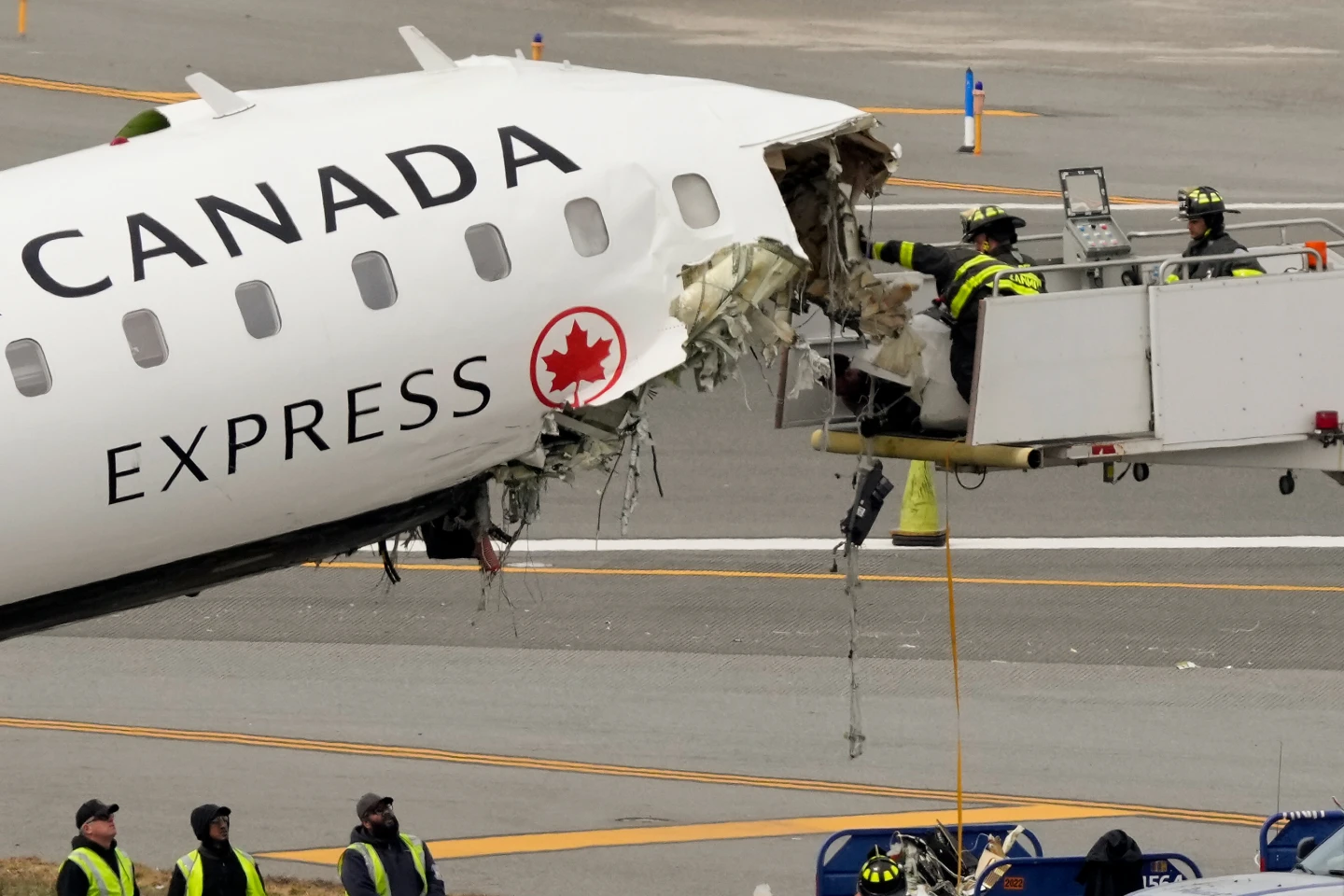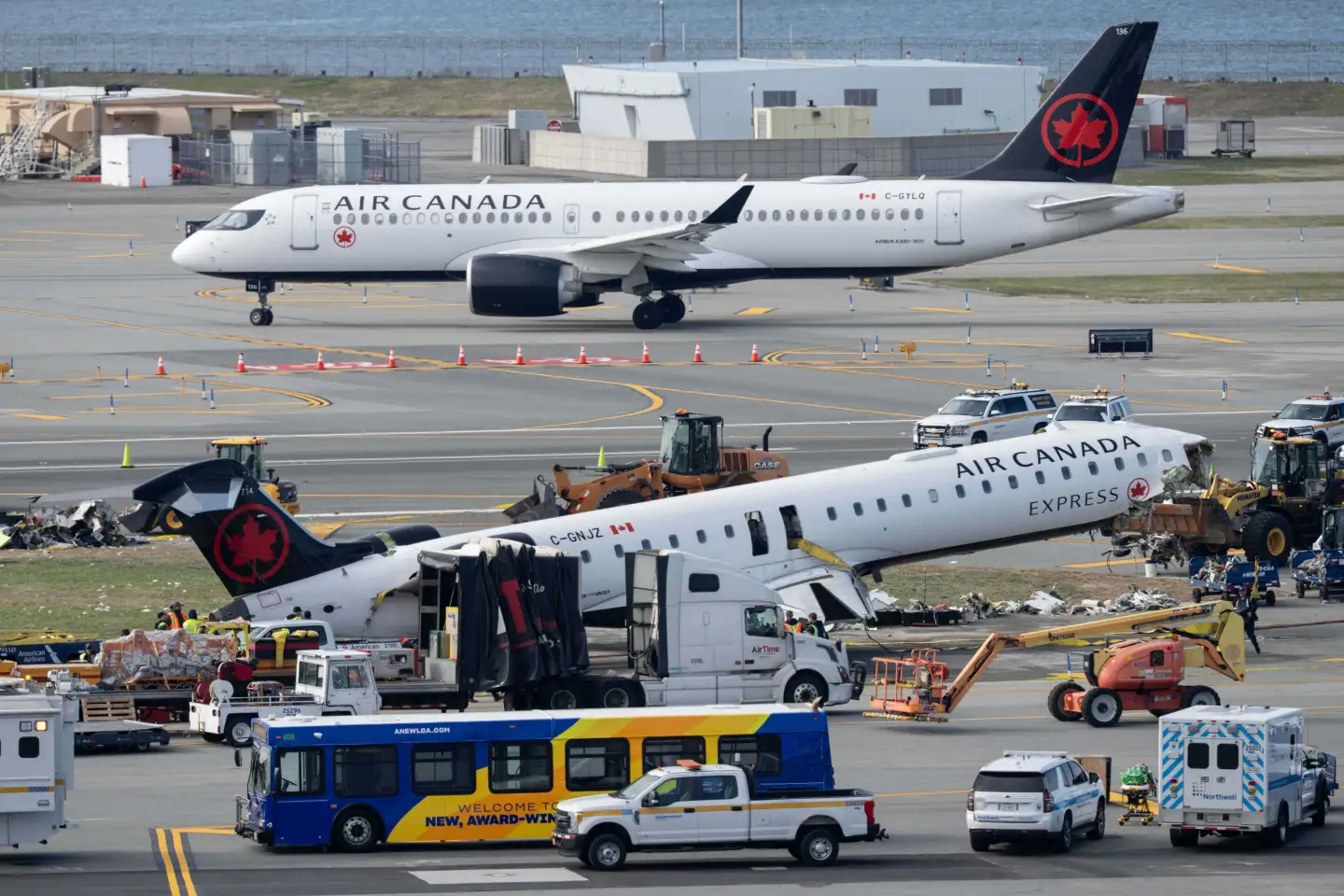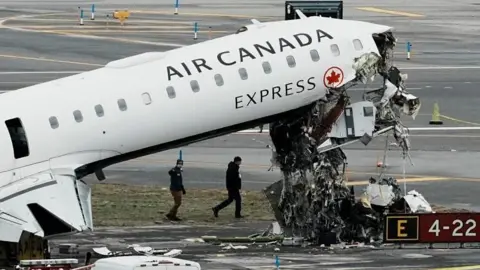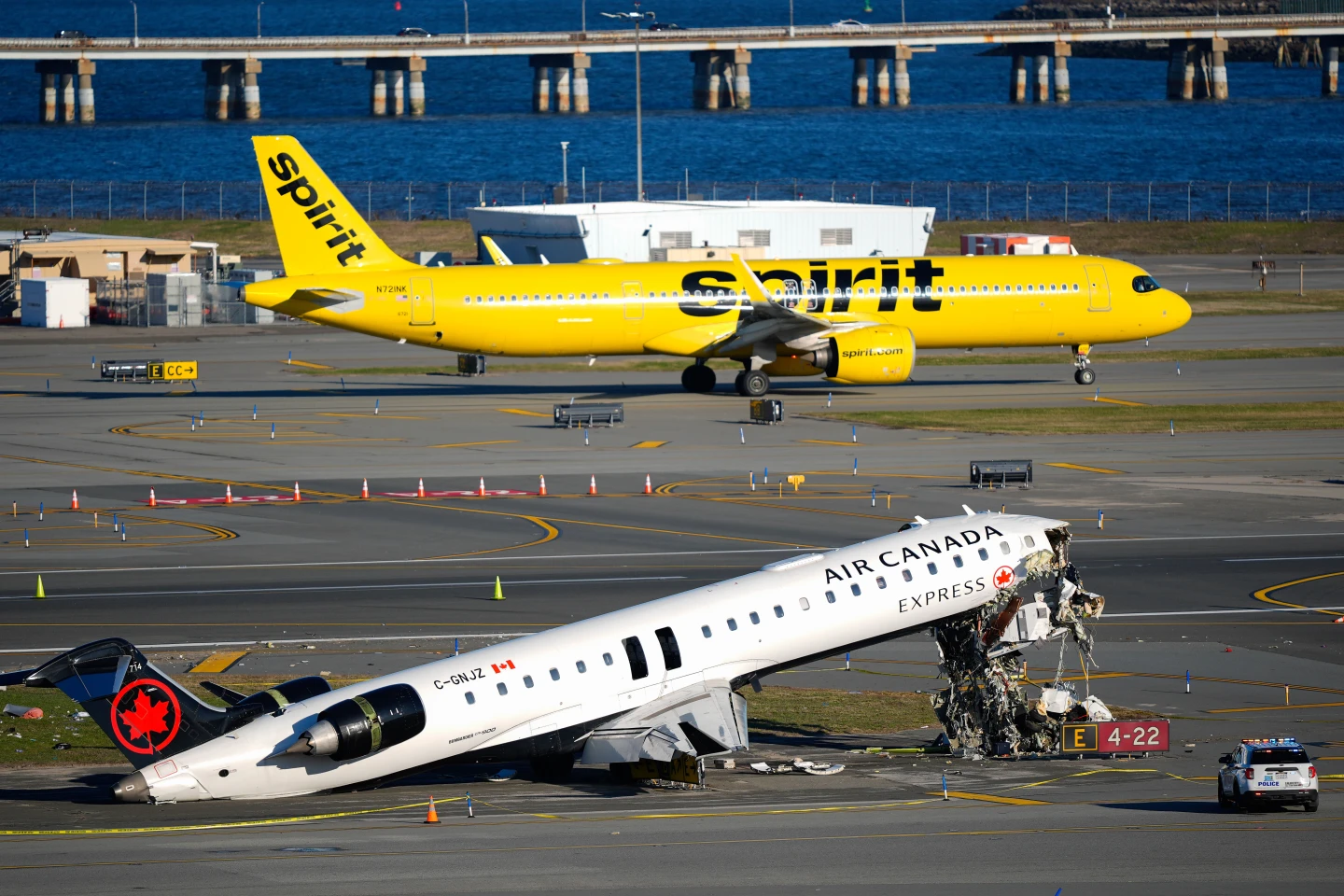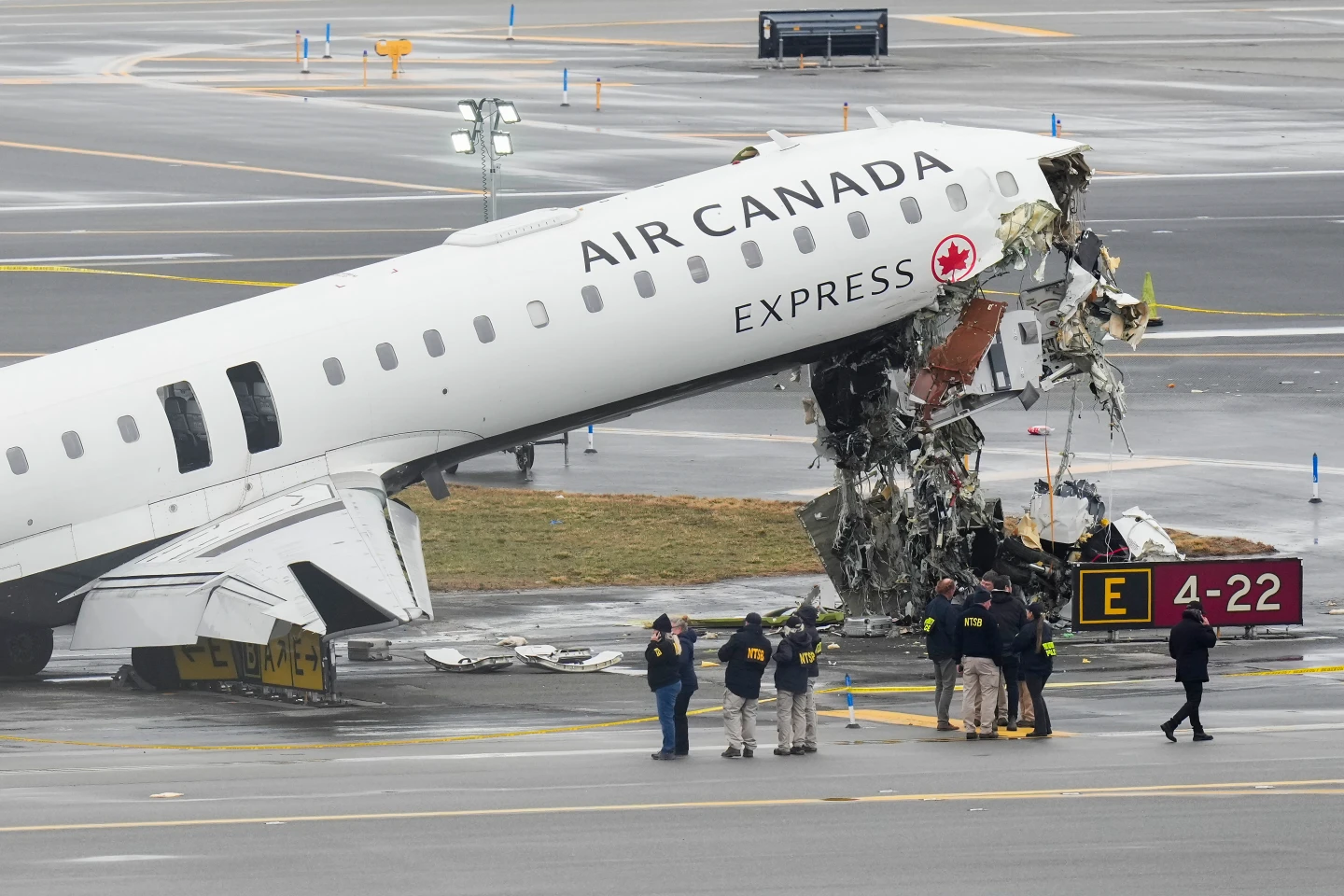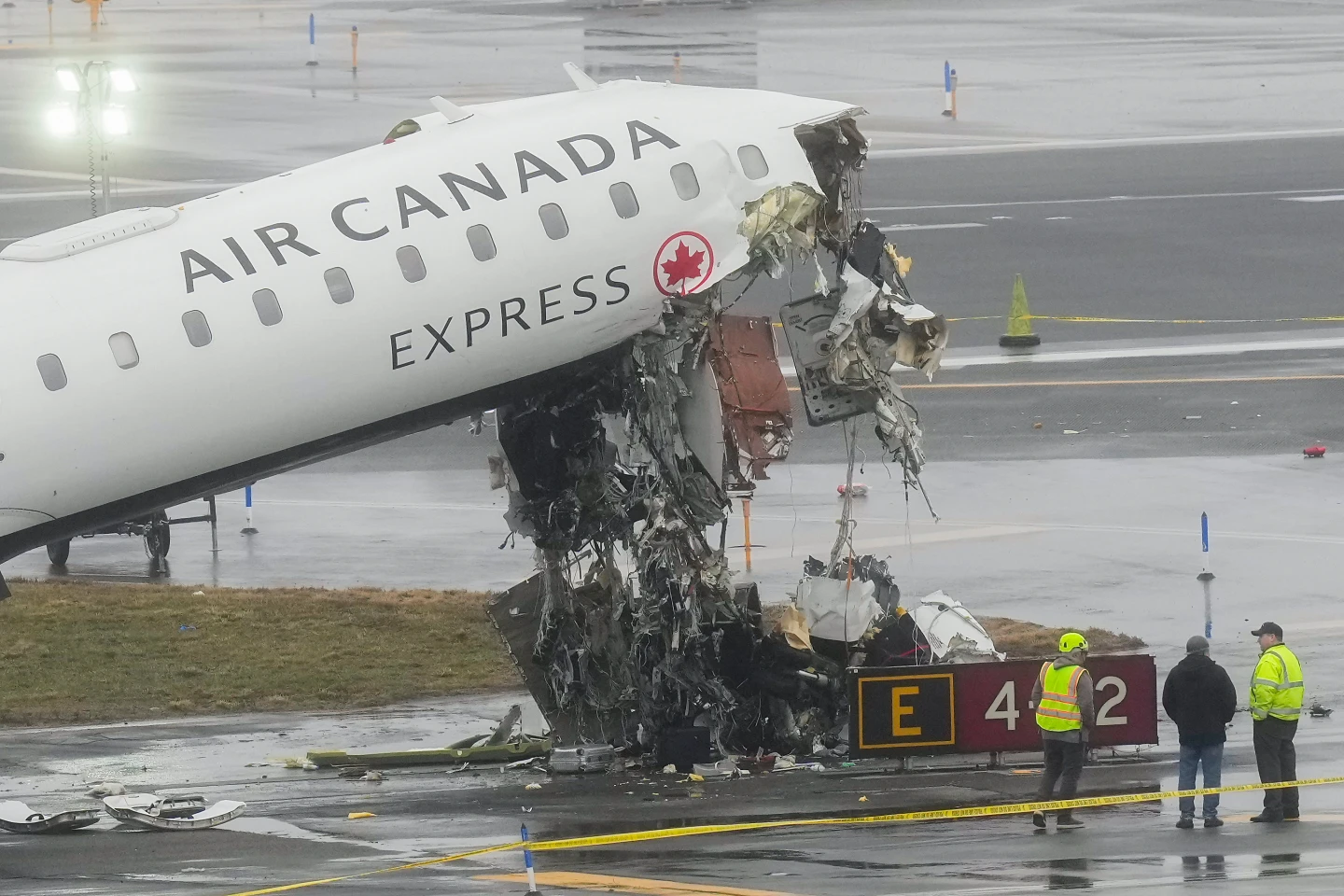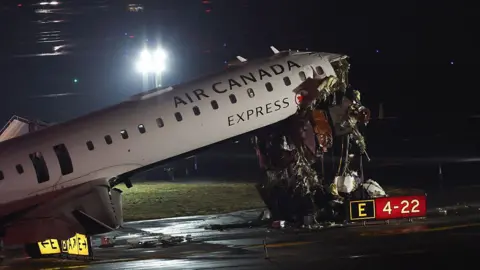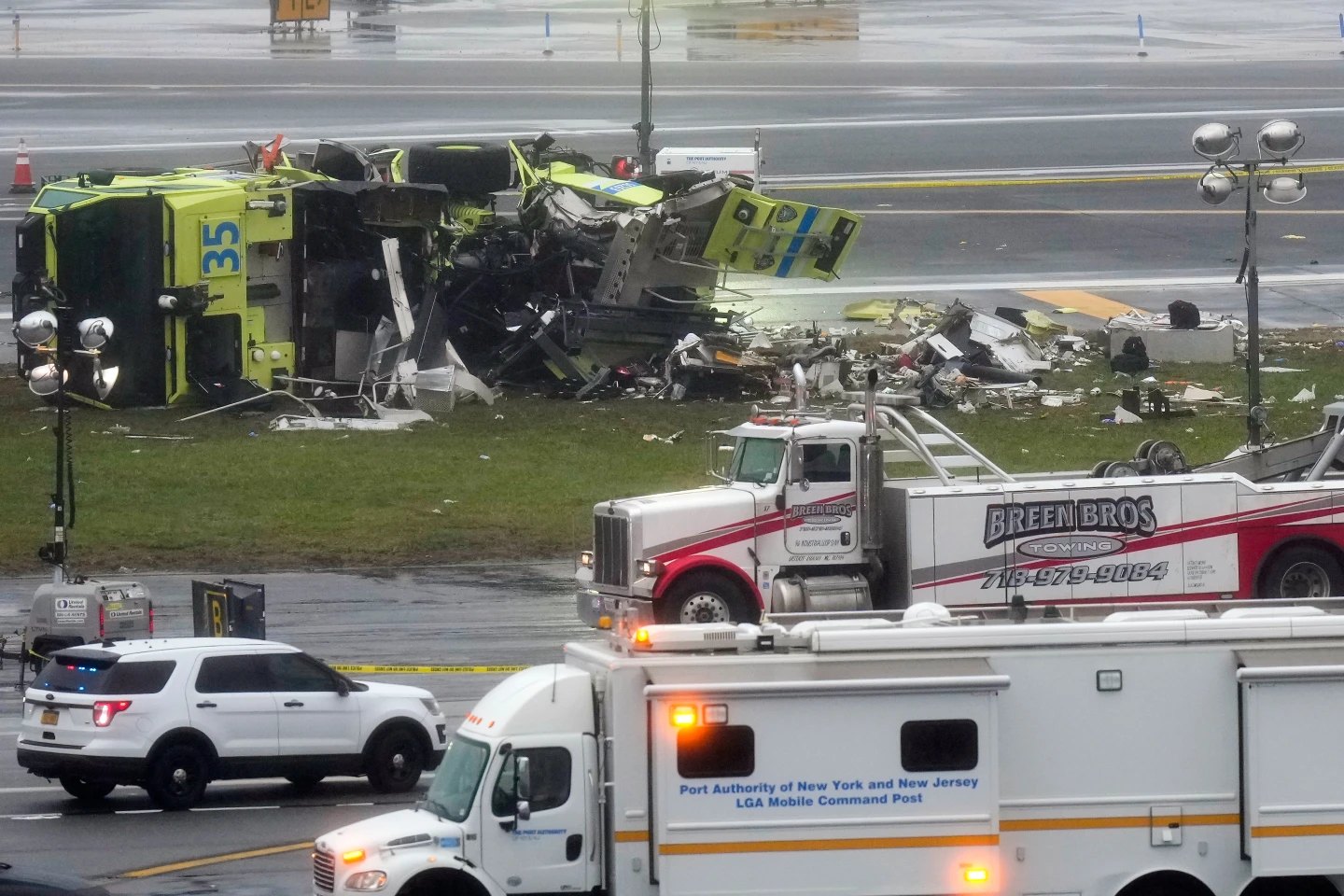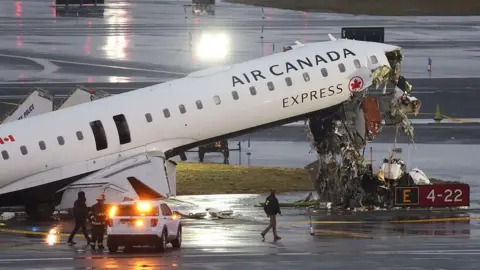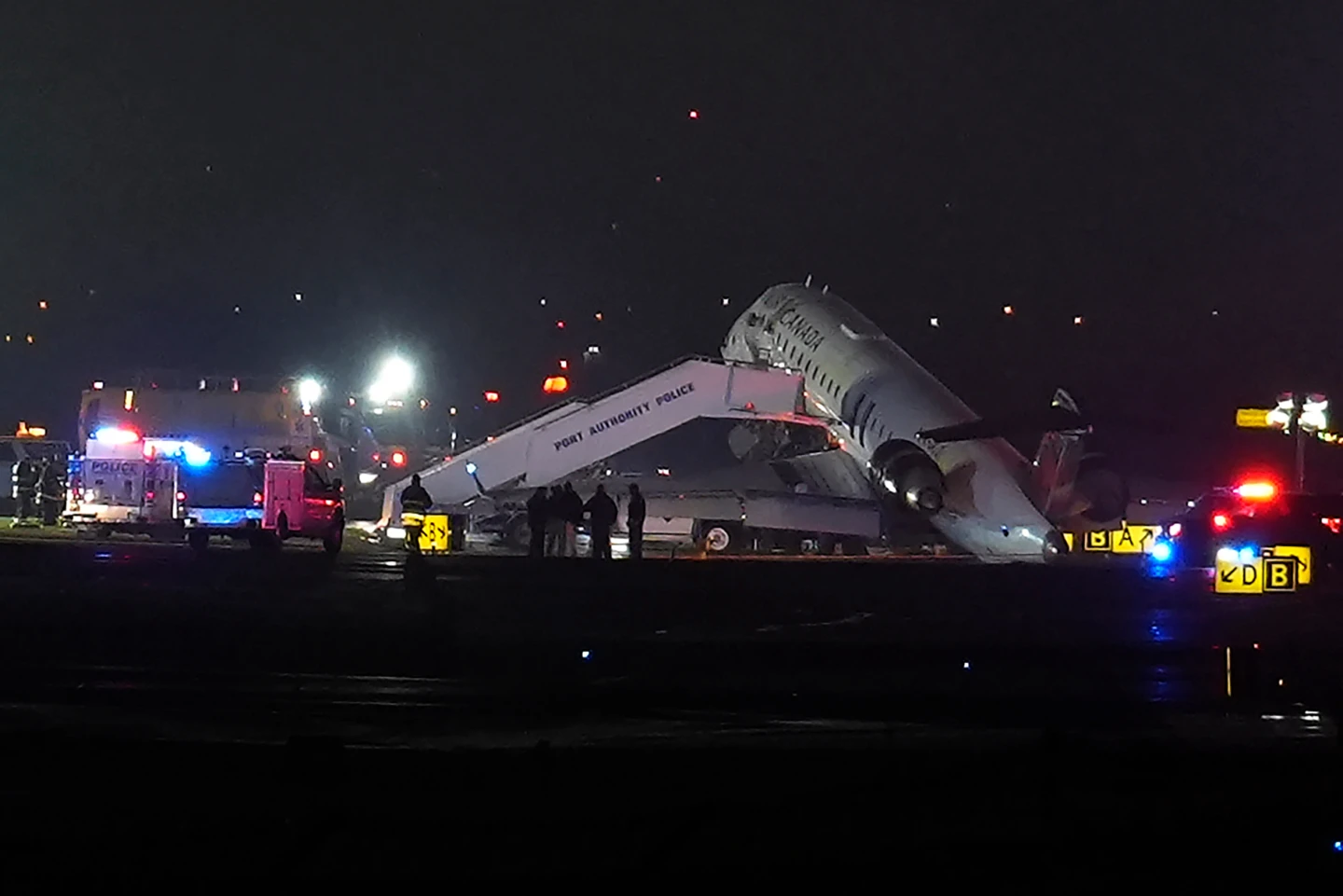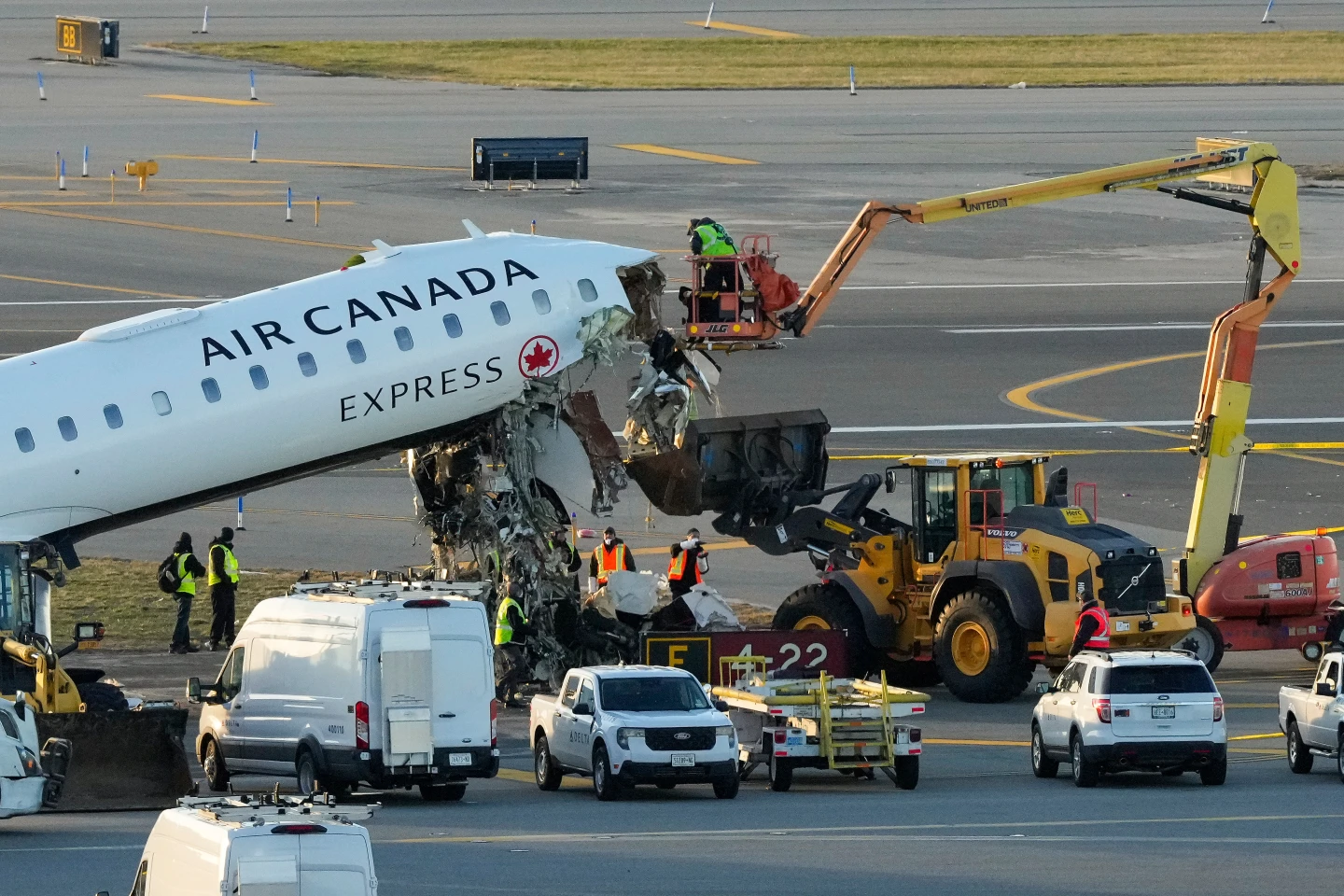
An alarming incident occurred at New York's LaGuardia Airport when an Air Canada jet collided with a fire truck that had just entered the runway as the plane was landing. This crash, which resulted in the deaths of both pilots and numerous injuries among passengers, raises questions about the effectiveness of the preventive systems in place designed to avert such tragedies.
According to reports, the National Transportation Safety Board (NTSB) is currently investigating the circumstances surrounding the collision. A significant point of concern is that one of the two air traffic controllers on duty permitted the fire truck to cross the runway just 12 seconds before the plane touched down. The frantic calls from the controller to stop the truck just moments later were too late to prevent the incident.
The ASDE-X (Airport Surface Detection System) plays a crucial role in tracking vehicles and aircraft on the ground to prevent collisions. This radar-based system combines data from multiple sources, including aircraft transponders, to create a real-time situational awareness display for controllers. However, NTSB Chairwoman Jennifer Homendy indicated that the ASDE-X system failed to issue a collision alert during the incident due to its inability to predict the truck's crossing in time.
Experts suggest multiple factors contributed to the crash, including the absence of transponders in the fire truck, which would have provided more detailed tracking data. Effective tracking is essential during emergencies, and it turns out that numerous airports, including LaGuardia, face challenges when emergency vehicles lack these critical devices.
Moreover, the incident unfolded against a backdrop of heightened activity as emergency responders were responding to another situation involving a United Airlines flight, further complicating the environment and communication channels for the air traffic controllers and emergency teams on the ground.
An examination of the physical infrastructure indicates that the runway warning lights, which should signal imminent landings to ground vehicles, were also functioning during the time of the incident. Despite this, it's suspected that both the truck driver and the controller were likely distracted, which contributed to the lapse in judgment when the truck was allowed onto the runway.
Officials and aviation experts assert that while these safety systems aim to minimize risks, they do not guarantee absolute safety. Continual assessments and improvements are necessary to enhance the reliability of air travel and prevent future mishaps. The situation serves as a stark reminder of the complexities involved in air traffic management and the profound implications when systems fail to operate optimally.