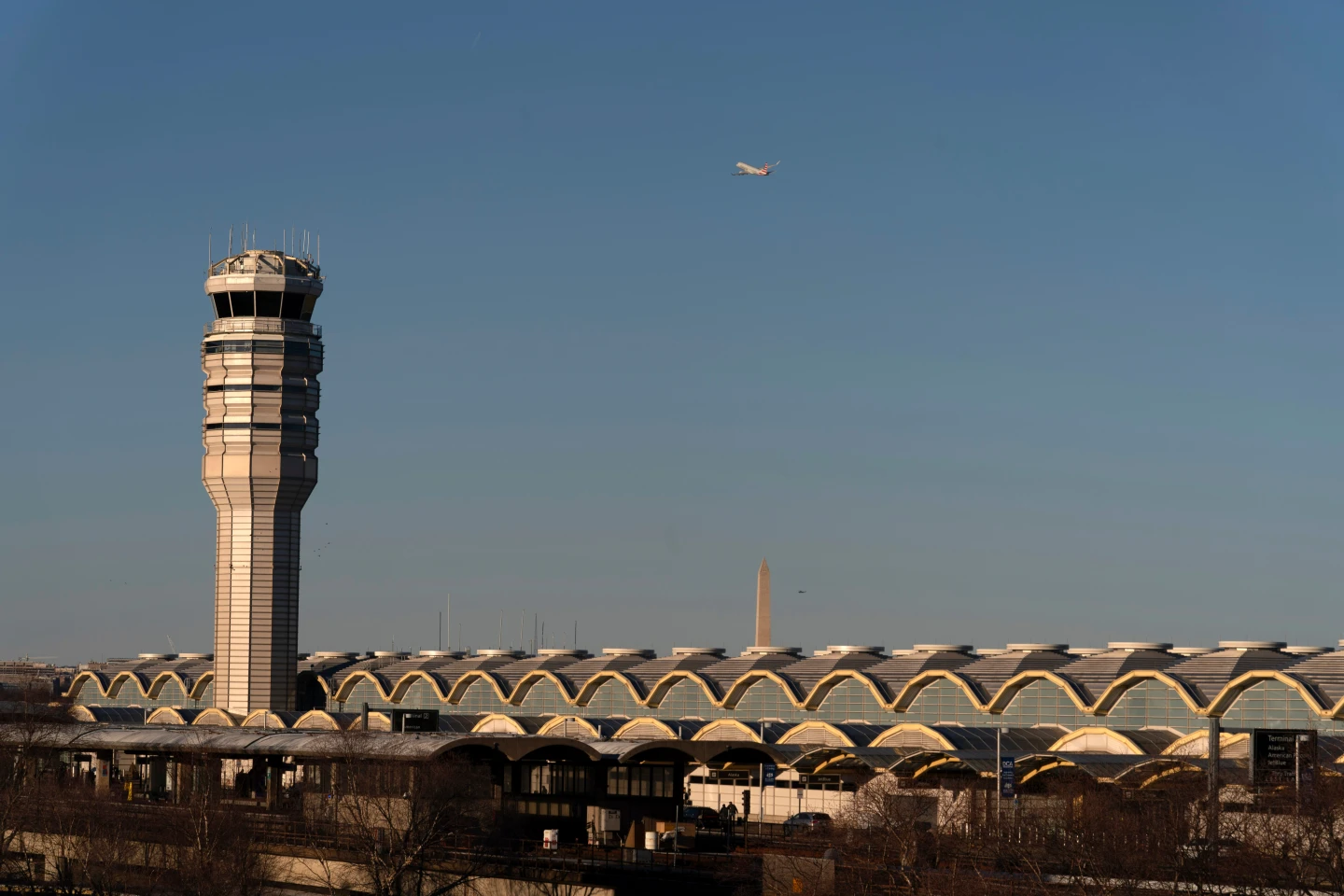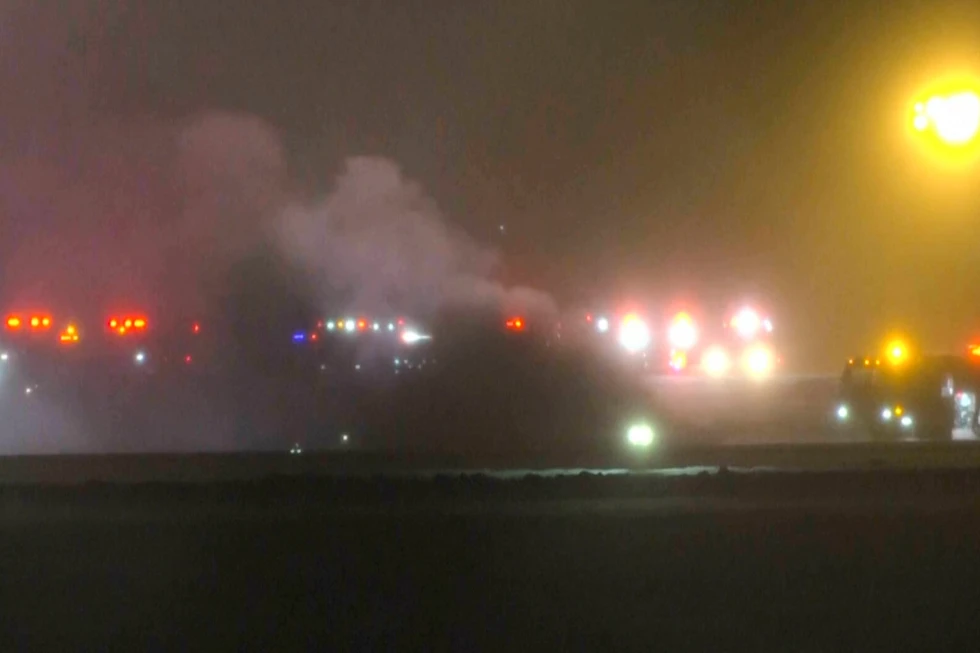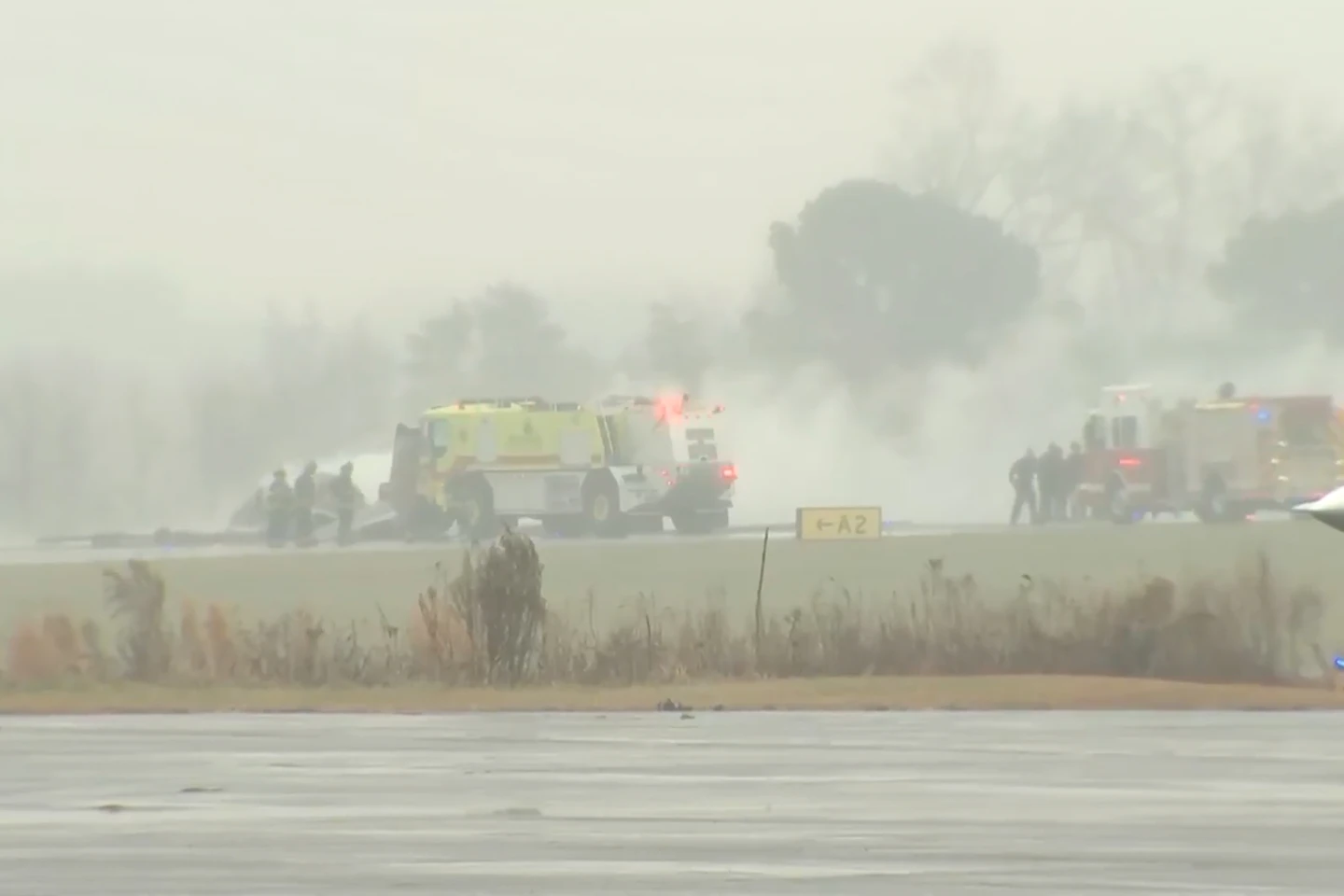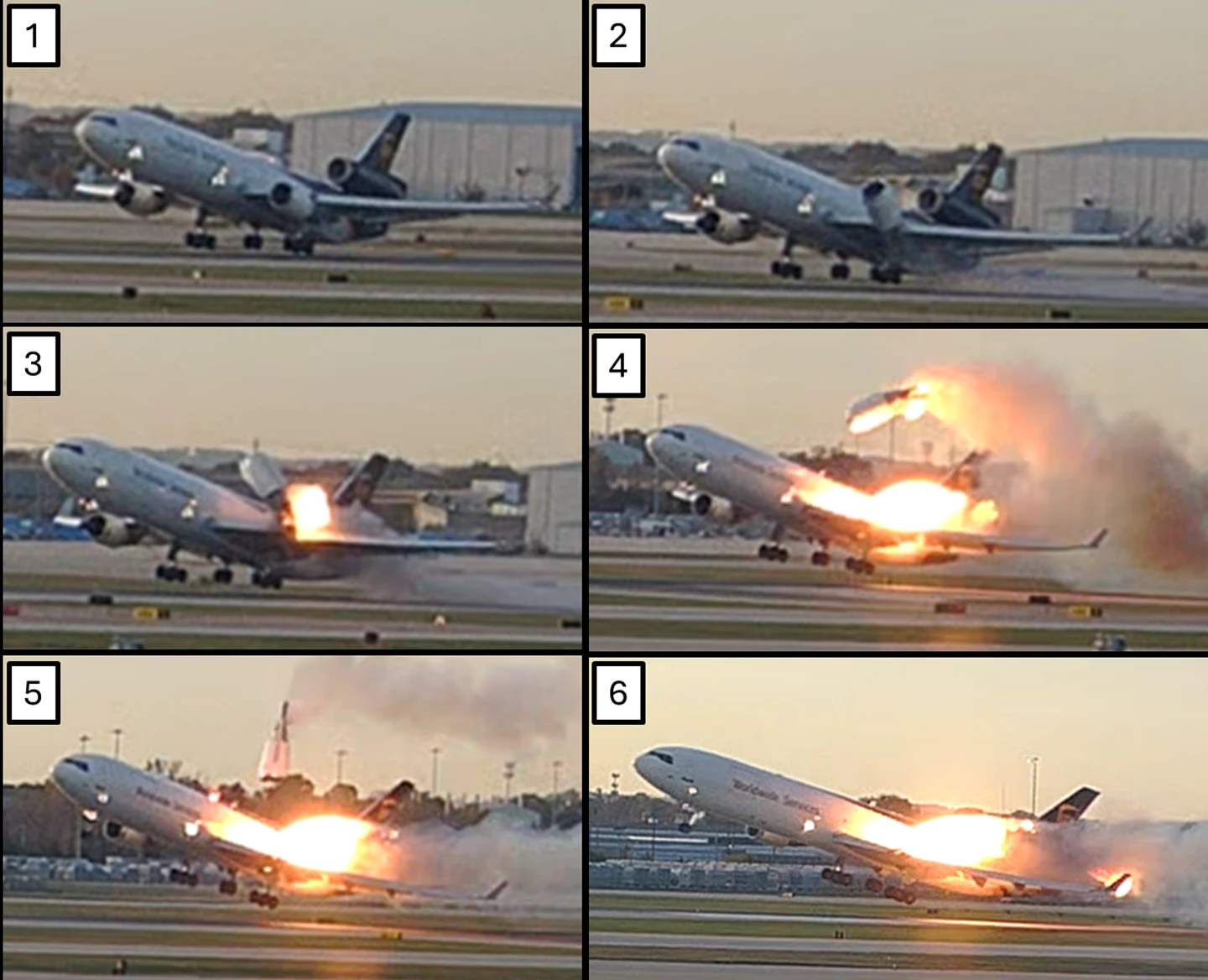
Key senators and families of the 67 victims of an airliner collision with an Army helicopter near Washington, D.C., are advocating for advanced aircraft locator systems that could have prevented the tragedy. With a Senate Commerce Committee hearing upcoming, the emotional appeal for increased safety measures reignites discussions on recommendations that have been on the table since 2008.
On January 29, 2025, a horrifying accident occurred when an American Airlines jet collided with a Black Hawk helicopter, resulting in the deaths of all onboard, including numerous members of the figure skating community. This tragedy has underscored the urgent need for robust aircraft locational systems, which experts argue are crucial for avoiding midair collisions.
Efforts to advance safety legislation have received unanimous support from the Senate, calling for the installation of both broadcasting and receiving systems, called Automatic Dependent Surveillance-Broadcast (ADS-B). However, the fate of this legislative push is in question as House committee leaders have shown inclination towards crafting a more comprehensive bill rather than passing the ROTOR Act that directly addresses these systems.
Testimonies and insights from victims' families and aviation safety officials will be presented at the hearing, emphasizing the emotional weight of the push for reform. They argue that the aircraft involved could have avoided the Black Hawk if equipped with both ADS-B systems — a situation that could have allowed for more timely and effective communication between the aircraft. Currently, only one of the systems, which broadcasts location, is mandated.
The FAA has already taken some measures following the accident, including changes to flight paths for helicopters flying near busy airports. Yet, families are calling for more significant reforms, emphasizing that if recommendations had been fully implemented, the catastrophic loss of lives could have been prevented. With cost being a major concern for airline operators, the practicality of widespread system upgrades remains contentious. However, proponents argue that the potential savings in human lives far outweigh financial burdens.