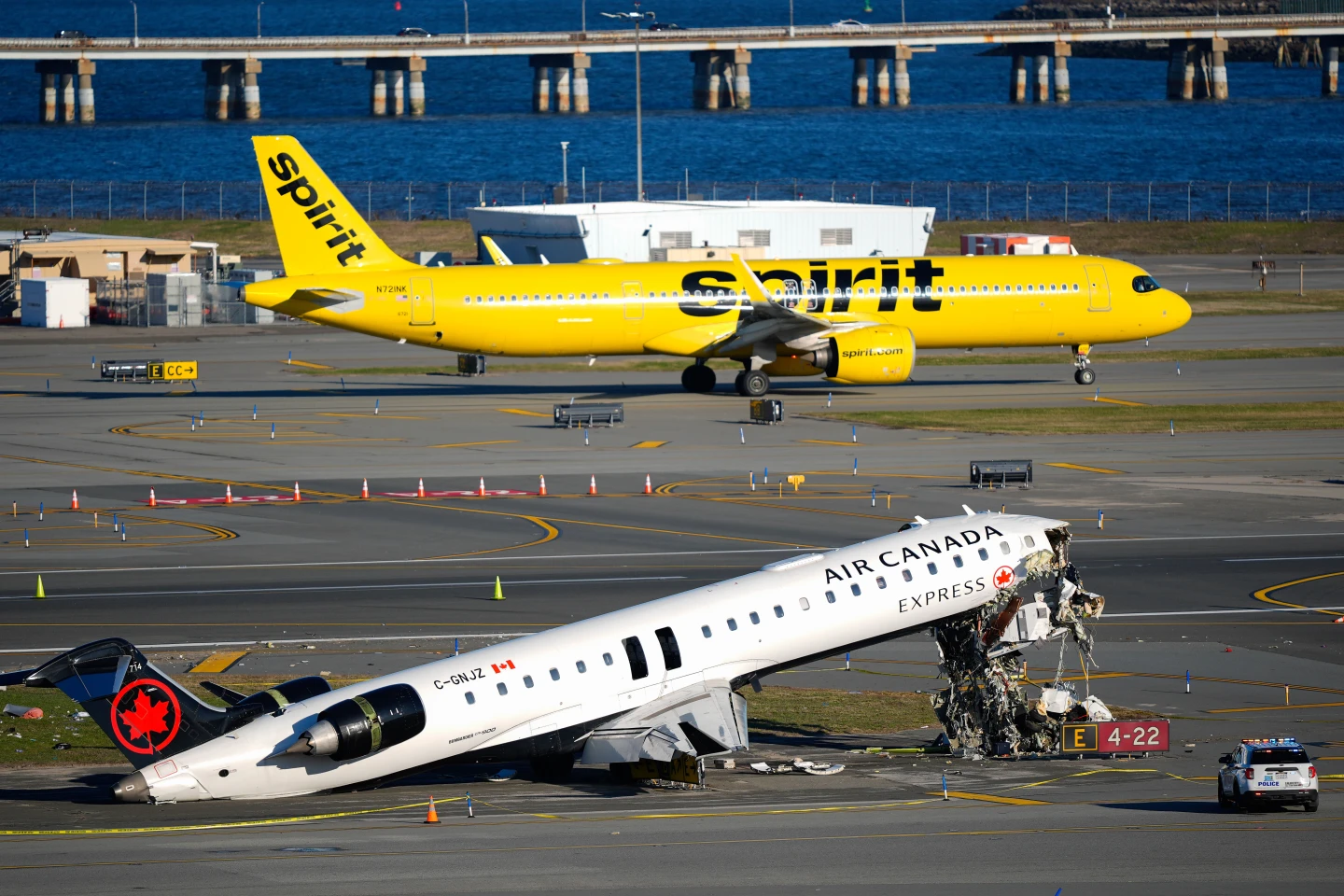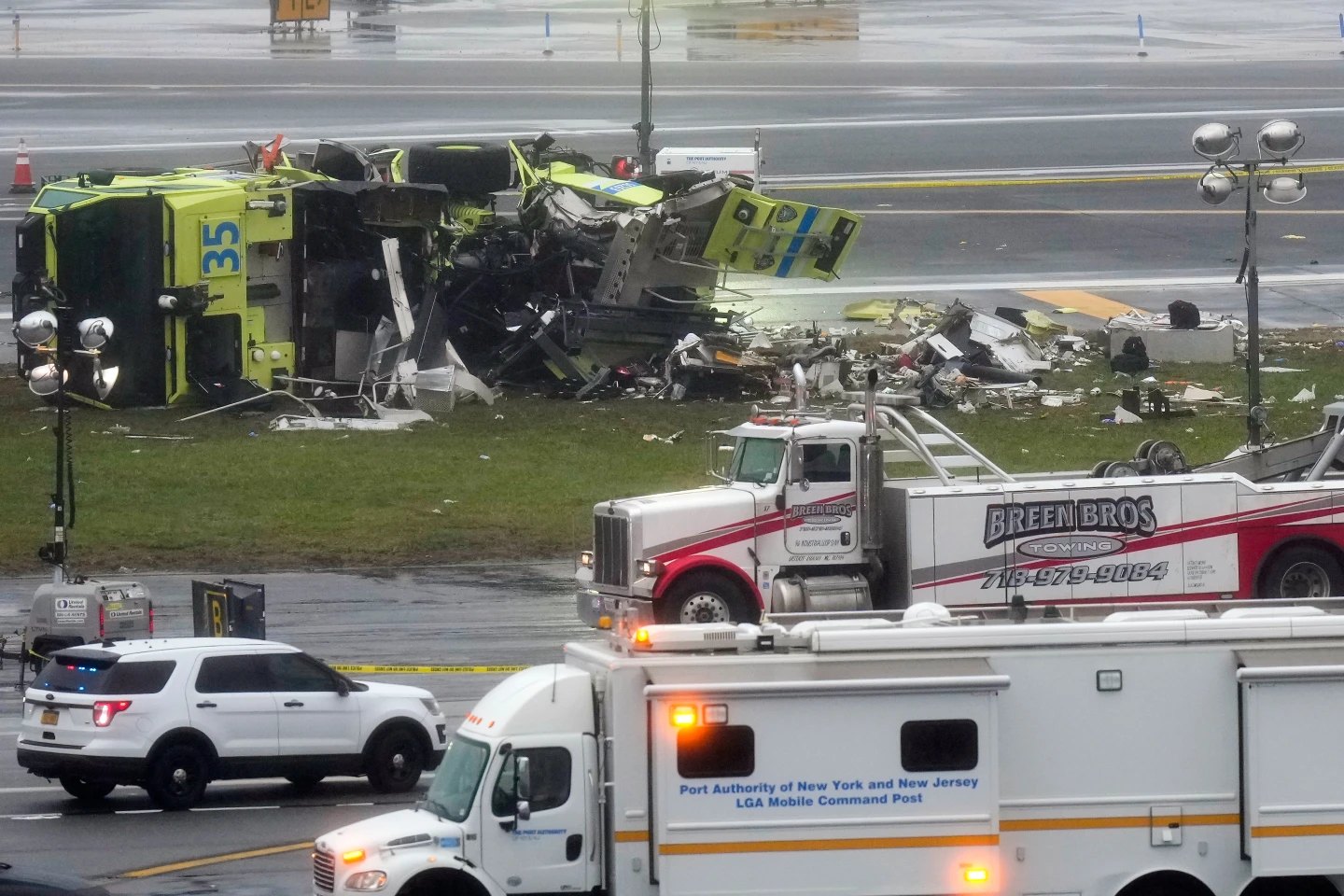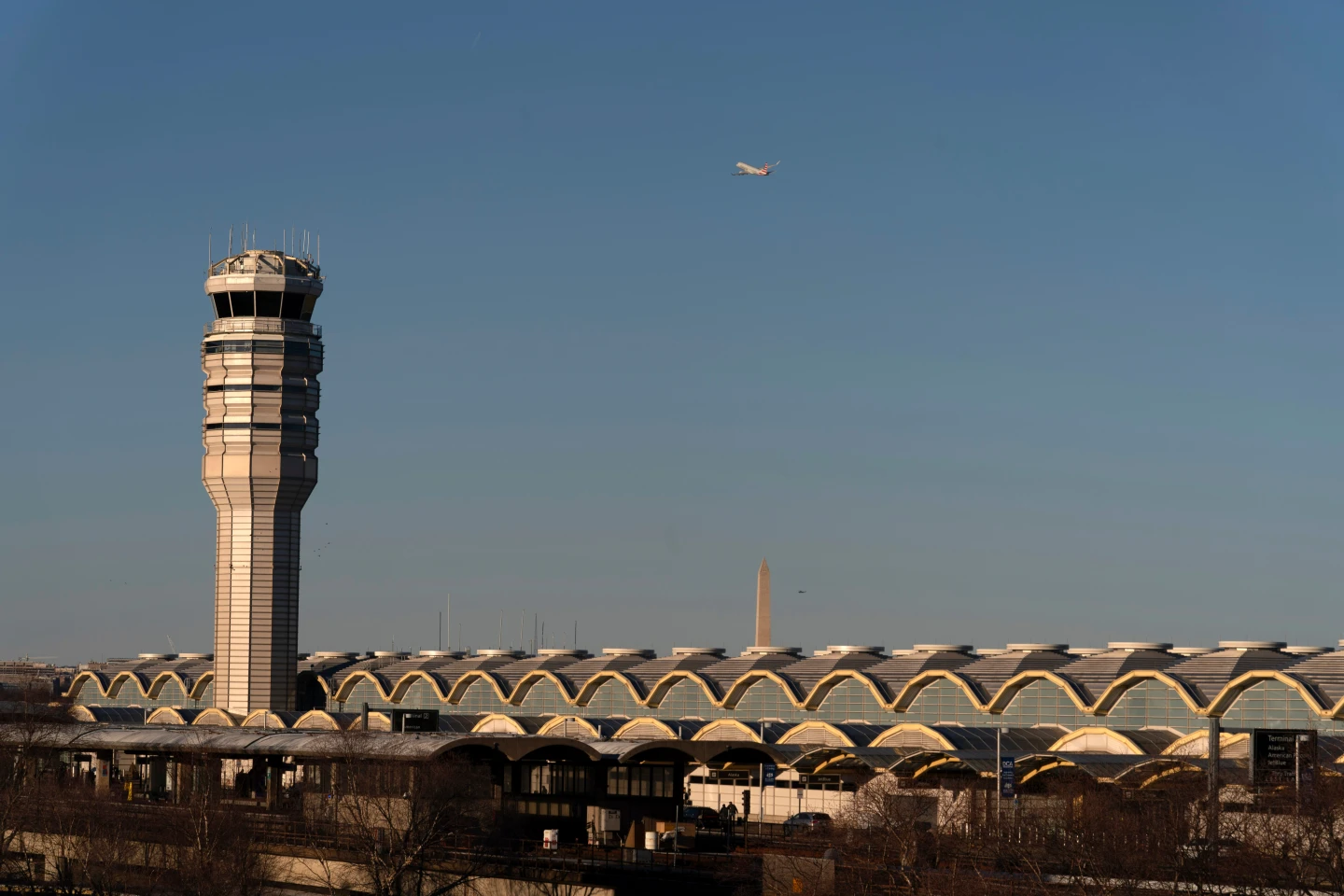
In recent weeks, reports of air travel incidents have sent shockwaves through the public, with social media highlighting alarming near misses and disastrous accidents. The U.S. Transport Secretary, Sean Duffy, stepped in to address mounting concerns during a CBS News interview, emphasizing that these occurrences are "very unique" and not necessarily indicative of a broader trend in aviation safety. His remarks followed a tragic event in Washington D.C. where a commercial airliner collided mid-air with a military helicopter, resulting in the loss of 67 lives.
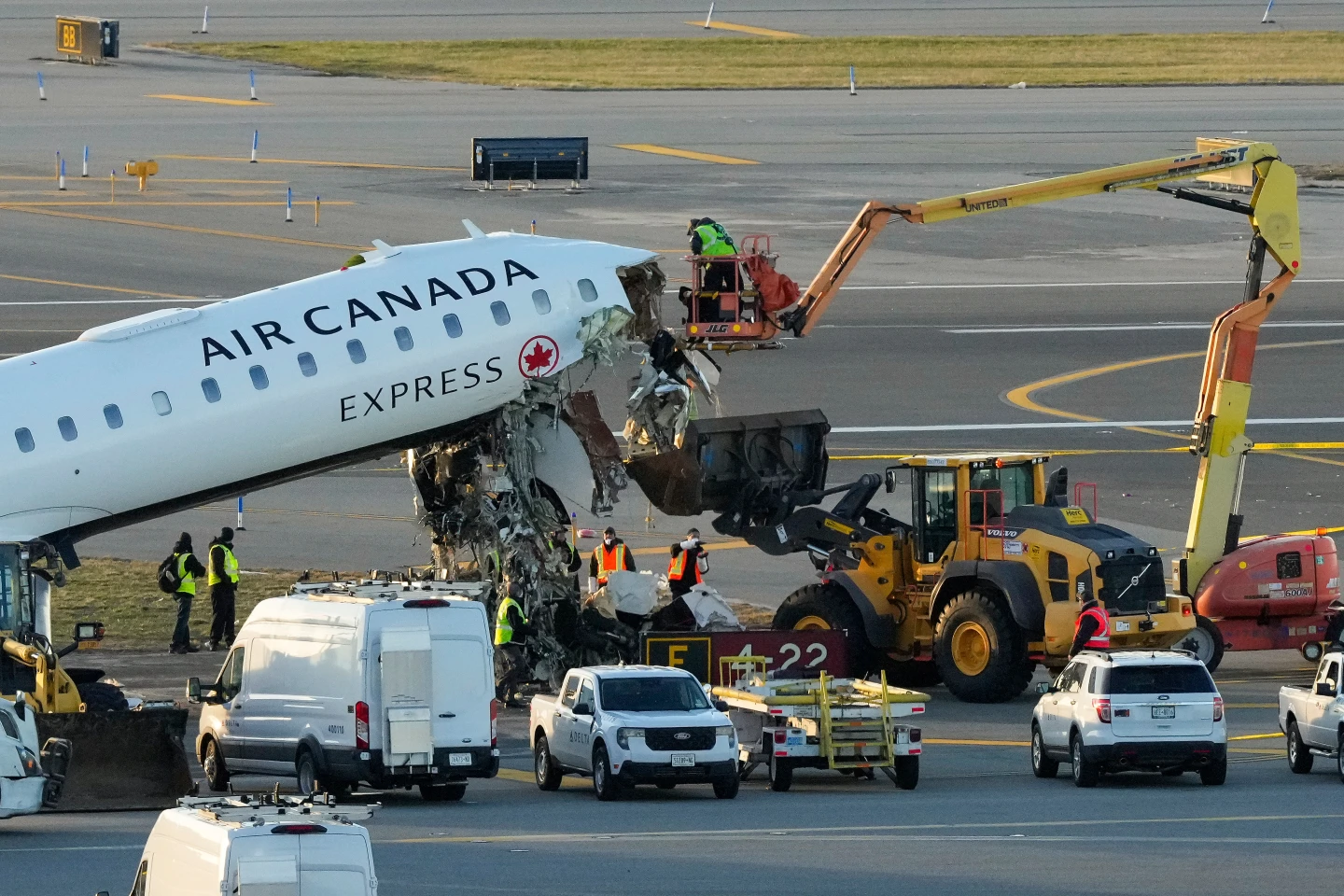
Worrying footage, such as one showing a plane flipping during a landing in poor conditions in Toronto, has further ignited fear among potential travelers. Despite these startling visuals impacting consumer confidence, analysis by BBC Verify points to a consistent decline in air travel accidents over the past two decades. Data from the National Transportation Safety Board (NTSB) indicates a reduction in incidents in the U.S. from 2005 through January 2024, even as the total number of flights has soared. For instance, within the U.S. context, January 2025 recorded 52 accidents, down from 58 in January 2024 and a higher rate in January 2023.
Globally, figures from the International Civil Aviation Organisation (ICAO) support the assertion of progress, showing a decrease in the rate of accidents per million flights between 2005 and 2023. ICAO defines aircraft accidents broadly, including not just serious crashes, but also incidents requiring repairs or involving missing aircraft.
Even in terms of fatalities, air incidents have trended downwards, although specific years, such as 2014, saw spikes due to major disasters involving Malaysian Airlines flights. Experts like Prof. Sir David Spiegelhalter caution that these spikes can skew perceptions, as they often cluster and create the illusion of a trend where none exists.
Ismo Aaltonen, a former air disaster investigator, advised that the recent clustering of unfortunate events should not be misconstrued as a sign of declining safety. “It's a matter of bad luck,” he explained, commenting that some incidents were unforeseen, such as a disastrous incident where an Azerbaijan Airlines flight was downed by a missile.
Furthermore, the rise in awareness of air disasters today owes much to social media, where incidents garner significant attention, often without context. A satirical TikTok video has even leveraged an exaggerated narrative about aviation disasters linked to former U.S. Transportation Secretary, Pete Buttigieg, illustrating how perception can diverge from reality.
Major incidents, particularly those linked to Boeing aircraft, have also drawn negative media attention, influencing public perception and consumer behavior. Despite this, experts reaffirm that rigorous investigations follow each incident, thereby informing pilot training protocols, which have advanced significantly over the years.
Regulatory bodies also maintain strict oversight, with the power to impose penalties for safety violations and even ban airlines that do not comply with international standards.
Despite the media coverage of recent incidents, air travel remains indisputably safe in a broader context. According to the U.S. Department of Transportation, over 95% of transport-related deaths in 2022 occurred on the roads, with air travel accounting for less than 1%. When analyzed by distance traveled, air travel proves even safer, recording just 0.001 deaths per 100,000 miles, compared to 0.54 fatalities in passenger vehicles.
"Be cautious about your trip to the airport," remarked Aaltonen. "That's statistically the most dangerous part of your journey, not the flight itself."
In light of these statistics, it becomes crucial to approach reports of air travel incidents with a balanced perspective grounded in data rather than fear-driven narratives.
Worrying footage, such as one showing a plane flipping during a landing in poor conditions in Toronto, has further ignited fear among potential travelers. Despite these startling visuals impacting consumer confidence, analysis by BBC Verify points to a consistent decline in air travel accidents over the past two decades. Data from the National Transportation Safety Board (NTSB) indicates a reduction in incidents in the U.S. from 2005 through January 2024, even as the total number of flights has soared. For instance, within the U.S. context, January 2025 recorded 52 accidents, down from 58 in January 2024 and a higher rate in January 2023.
Globally, figures from the International Civil Aviation Organisation (ICAO) support the assertion of progress, showing a decrease in the rate of accidents per million flights between 2005 and 2023. ICAO defines aircraft accidents broadly, including not just serious crashes, but also incidents requiring repairs or involving missing aircraft.
Even in terms of fatalities, air incidents have trended downwards, although specific years, such as 2014, saw spikes due to major disasters involving Malaysian Airlines flights. Experts like Prof. Sir David Spiegelhalter caution that these spikes can skew perceptions, as they often cluster and create the illusion of a trend where none exists.
Ismo Aaltonen, a former air disaster investigator, advised that the recent clustering of unfortunate events should not be misconstrued as a sign of declining safety. “It's a matter of bad luck,” he explained, commenting that some incidents were unforeseen, such as a disastrous incident where an Azerbaijan Airlines flight was downed by a missile.
Furthermore, the rise in awareness of air disasters today owes much to social media, where incidents garner significant attention, often without context. A satirical TikTok video has even leveraged an exaggerated narrative about aviation disasters linked to former U.S. Transportation Secretary, Pete Buttigieg, illustrating how perception can diverge from reality.
Major incidents, particularly those linked to Boeing aircraft, have also drawn negative media attention, influencing public perception and consumer behavior. Despite this, experts reaffirm that rigorous investigations follow each incident, thereby informing pilot training protocols, which have advanced significantly over the years.
Regulatory bodies also maintain strict oversight, with the power to impose penalties for safety violations and even ban airlines that do not comply with international standards.
Despite the media coverage of recent incidents, air travel remains indisputably safe in a broader context. According to the U.S. Department of Transportation, over 95% of transport-related deaths in 2022 occurred on the roads, with air travel accounting for less than 1%. When analyzed by distance traveled, air travel proves even safer, recording just 0.001 deaths per 100,000 miles, compared to 0.54 fatalities in passenger vehicles.
"Be cautious about your trip to the airport," remarked Aaltonen. "That's statistically the most dangerous part of your journey, not the flight itself."
In light of these statistics, it becomes crucial to approach reports of air travel incidents with a balanced perspective grounded in data rather than fear-driven narratives.