In brief
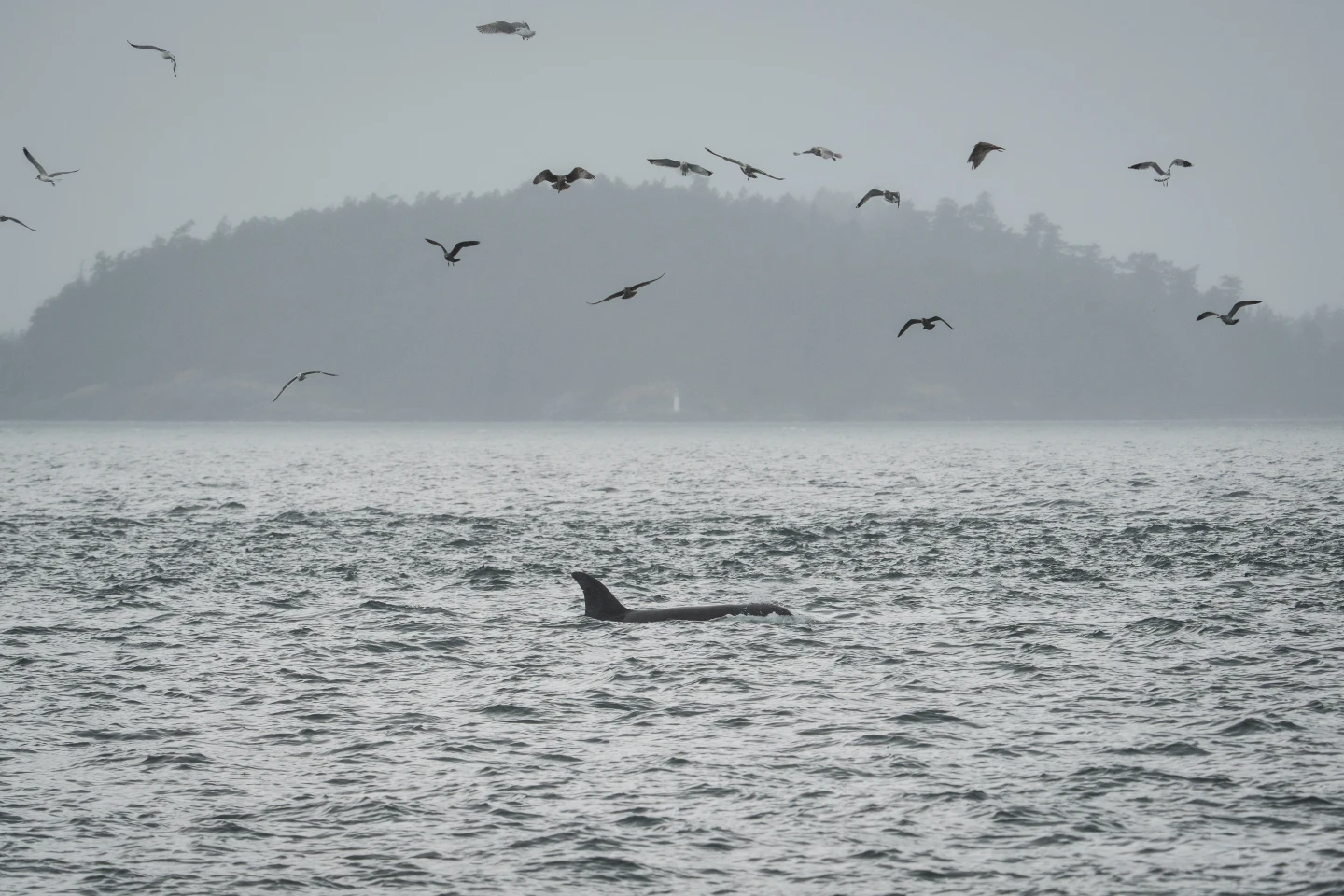
A team of scientists from the University of Washington has set out to use fiber-optic cables as underwater microphones to track the communication of endangered Southern Resident orcas in the Salish Sea. By transforming existing technological infrastructure, researchers hope to gather crucial data regarding orca behavior, food scarcity, and the impacts of human activity, providing greater insight into conservation efforts as these magnificent animals continue to struggle against threats that endanger their survival.
SAN JUAN ISLAND, Wash. (AP) — At dawn, researchers from the University of Washington are deploying over a mile of fiber-optic cable into the cold waters of the Salish Sea. On this barge, scientists aim to establish a new method for monitoring orca communication by utilizing the fibers that typically convey internet data.
The project, using Distributed Acoustic Sensing (DAS) technology, hopes to turn these cables into a comprehensive listening network that could offer vital insights into the behavior and challenges faced by orcas as they navigate their increasingly noisy environments.
“We can imagine that we have thousands of hydrophones along the cable recording data continuously,” explained Shima Abadi, an oceanography professor involved in the study. “This method could give us detailed information on orca migration patterns, communications, and how these factors change in response to environmental challenges such as shipping traffic and food availability.”
The urgency of this research stems from the dire status of the Southern Resident orca population, which has dwindled to around 75 individuals, hindered by various threats including habitat loss and food scarcity.
By utilizing existing telecommunications cables already present in the ocean, this technology could bridge significant gaps in data crucial for effective wildlife management. Experts hope that successful implementation will allow proactive measures to be taken to manage human activities, ensuring better protection for these iconic marine mammals.
The deployment allows for real-time monitoring, where alerts can be raised to modify practices that might interfere with orcas' hunting patterns, enhancing conservation strategies as we push for more marine protection initiatives.
Overall, the team is not just focused on orca communications—they are hoping to create a broader understanding of marine ecosystems as it relates to conservation and biodiversity amidst growing global pressures.
The success of this initiative could mark a significant evolution in how we utilize marine data collection technologies to help save endangered species before it’s too late.