In brief
The International Olympic Committee (IOC) has decided that the women's category in Olympic sports will be restricted to biological females starting from the 2028 Los Angeles Olympics. This policy is based on a 'once-in-a-lifetime' sex determination test to screen for the SRY gene, which determines male characteristics. This move aims to ensure fairness and safety within women's competitions, marking a significant shift in policy amidst ongoing debates about the inclusion of transgender and athletes with differences in sexual development (DSD). While supporters claim the decision is necessary for preserving equality in female sports, critics argue it may violate human rights and introduce invasive testing measures.
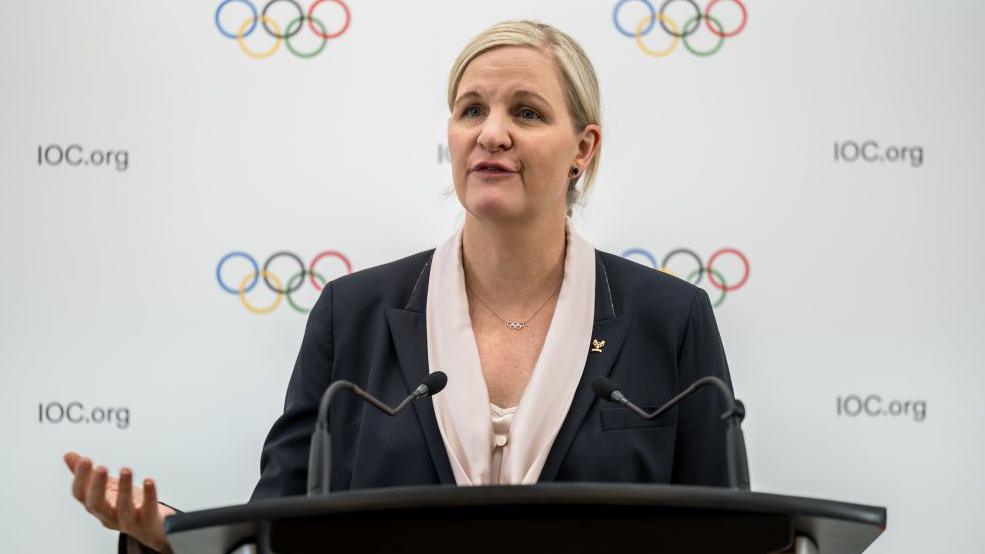
The women's category of Olympic sports will be limited to biological females from 2028. The International Olympic Committee (IOC) has declared that eligibility will be determined through a 'once-in-a-lifetime' sex test, effectively barring transgender women and individuals with differences in sexual development (DSD) who have undergone male puberty from competing.This policy will be put into practice beginning with the Los Angeles Olympics and was announced by IOC President Kirsty Coventry, who emphasized that the decision was guided by medical experts. She stated, At the Olympic Games even the smallest margins can be the difference between victory and defeat… it would not be fair for biological males to compete in the female category. In addition, in some sports it would simply not be safe.Under the new guidelines, the eligibility for the female category will depend on a screening process to detect the SRY gene, which is responsible for male characteristics and is part of the Y chromosome. According to the IOC, this screening method, which can be done through saliva, cheek swabs, or blood samples, is deemed to be less intrusive compared to other potential methods, stating that athletes who test negative for the SRY gene will satisfy eligibility criteria permanently unless there are concerns about the test's accuracy.Athletes unable to compete in the women's category due to this ruling will still have opportunities in other classifications, such as the male category or mixed events.Previous to this decision, eligibility regulations were often determined by each sport's governing body rather than a universal standard. Consequently, some sports have allowed transgender women to compete in female categories provided they lower their testosterone levels.The IOC's ban encompasses almost all athletes with DSD, a condition where individuals may possess a mixture of male and female biological traits, such as Caster Semenya, a two-time Olympic champion known for her DSD condition.This significant policy shift follows years of controversies surrounding the participation of transgender and DSD athletes in female sports competitions, highlighting the delicate balance between inclusivity and ensuring equitable conditions for all competitors. The IOC’s latest move calls for a unified approach across all international federations, potentially leading to further debates and legal challenges ahead. "additional_info": "The IOC's decision aligns with recent trends among various sporting bodies to tighten regulations regarding athlete eligibility based on biological sex. Advocates for inclusion have raised ethical concerns, asserting that such policies could violate athletes' human rights and ignore the complexities of gender identity."