In brief
Following a fatal collision that killed 67 people, the FAA is enforcing new guidelines requiring air traffic controllers to utilize radar to separate helicopters from airplanes at over 150 busy airports. This change aims to improve aviation safety after previous reliance on visual checks was deemed inadequate. Recent near-misses have highlighted the necessity for stricter measures to prevent dangerous incidents.
Air traffic controllers will now utilize radar in addition to visual checks to maintain safe separations between helicopters and airplanes, as announced by federal officials on Wednesday following last year’s tragic midair collision near Washington, D.C.
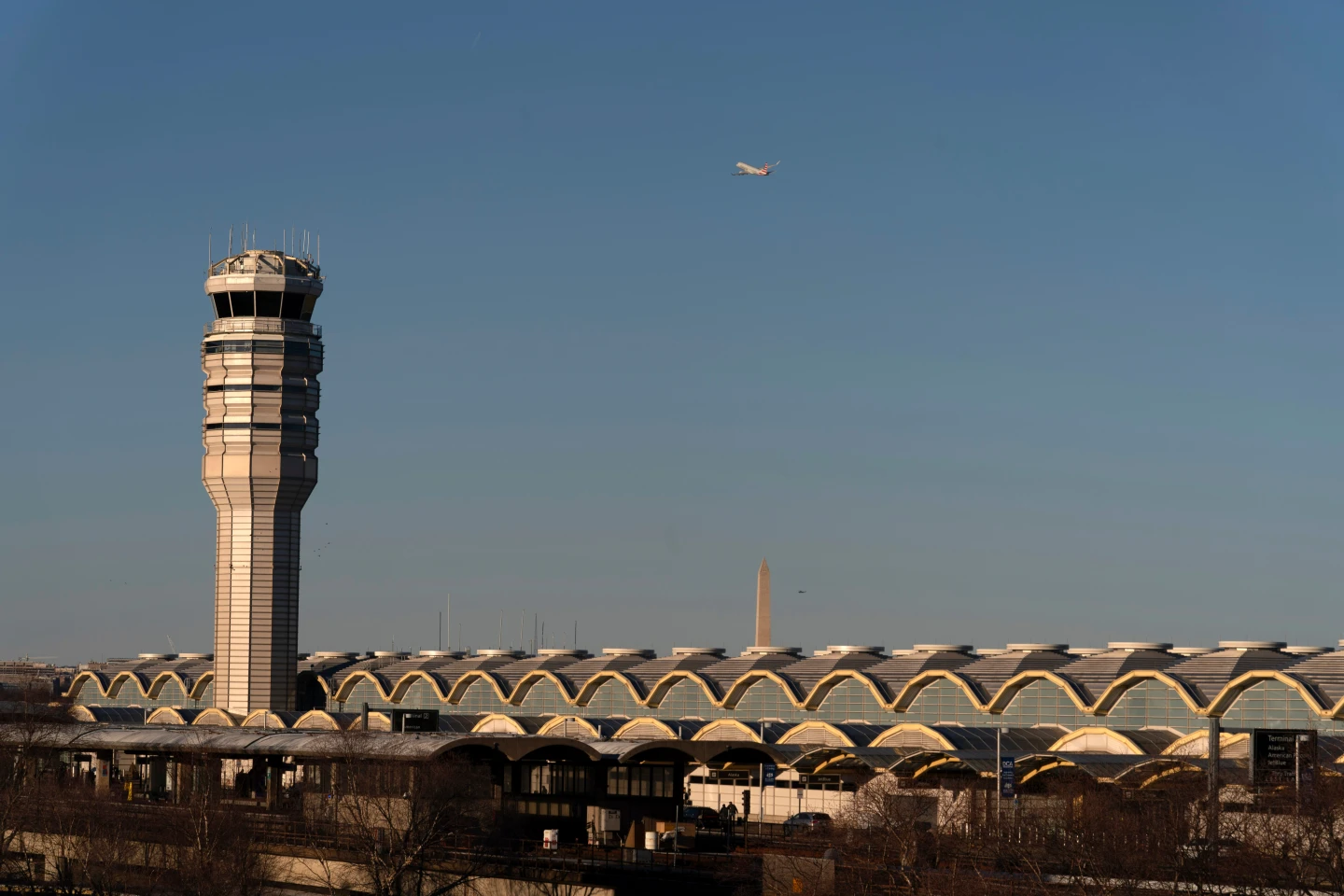
The Federal Aviation Administration (FAA) identified that the previous visual separation guidelines had proven inadequate following a series of recent near-misses, prompting the new regulations which will affect over 150 of the nation’s busiest airports. This change extends a restriction that was already necessary at Ronald Reagan Washington National Airport.
FAA Administrator Bryan Bedford stated, Today, we are proactively mitigating risks before they affect the traveling public... We identified an overreliance on pilot ‘see and avoid’ operations that contribute to safety events involving helicopters and airplanes.
Specific incidents of concern were detailed, including a near-miss on February 27 when a police helicopter had to divert to avoid an American Airlines flight landing in San Antonio. Another incident on March 2 saw a helicopter alter course to avoid a small aircraft at California's Hollywood Burbank Airport.
The new radar requirement aims to address serious safety concerns stemming from the January 2025 collision between an American Airlines jet and an Army Black Hawk helicopter, which resulted in the deaths of 67 people. This disaster marked the deadliest plane crash in U.S. history since 2001.
According to investigators, the crash was partly attributed to an overreliance on visual separation in the tower, where controllers allowed the Black Hawk to proceed without confirming its visibility to the American Airlines flight, which was in the process of landing.
Tragically, many of the casualties included young figure skaters and their guardians, returning from a developmental camp in Kansas following the U.S. Figure Skating Championships.