Risk and Responsibility: The Hidden Costs of Adventure Inspired by Social Media
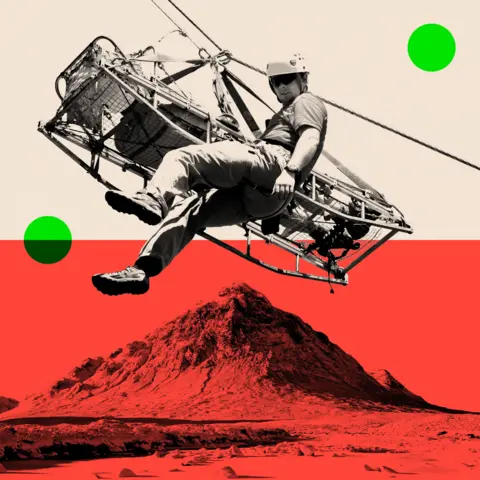
Two walkers find themselves stranded on a remote hillside as night closes in, hundreds of miles from home, after being inspired by a TikTok video. This scenario has become too familiar for Mike Park, CEO of Mountain Rescue England and Wales. We had two people stuck on a hill at 8pm, no torches, he recalls, illustrating a common scenario where inexperienced hikers venture into dangerous territories.
Park's recount of rescuing two young hikers reflects a growing trend where social media acclaims outdoor adventures without highlighting associated risks. The hikers, fueled by a video, set out in insufficient gear and were unprepared for the challenges ahead. Fortunately, they called for help before their situation worsened, but Park points out, they weren't prepared and got into trouble, yet they did the right thing by calling for help.
This incident mirrors the ongoing issue of rising callouts for mountain rescues, which have doubled over the past decade. The increase highlights a critical discussion: who is responsible for safety among novice adventurers? Many rescue teams acknowledge a change in demographics, with a significant rise in younger individuals exploring the outdoors, particularly those aged 18 to 24. Their inexperience, compounded by the instantaneous feedback and visuals on social media, is concerning.
Mountain rescue groups report that most callouts now stem not from physical injuries but from individuals feeling mentally unable to navigate challenging conditions. Mike Park, with 40 years of experience, notes a generational shift towards being less prepared and more reliant on calling for help. Social media influencers' allure amplifies this trend, as hikers pursue picturesque locations for content rather than preparation.
While the push for outdoor exploration promotes physical and mental health, it also imposes greater demands on rescue volunteers, leading to exhaustion and burnout. Rescuers like Martin McMullan from the Mourne Mountain Rescue Team highlight the incessant influence of social media, where inspirational posts garner visits to dangerous areas, sometimes resulting in emergencies.
Amidst growing concerns about public safety in the mountains, suggestions for warning signs or physical barriers emerge as proposed solutions, though they come with reservations about changing the mountain experience. The notion is to ensure that safety information is readily available without compromising the natural appeal of outdoor explorations.
Tragic stories, such as that of Jack Carne, who fell while climbing with friends despite being experienced, serve as somber reminders of the risks that accompany outdoor activities. In response, newly appointed leaders in mountain rescue emphasize the need for balance: encouraging adventure while ensuring individuals acknowledge inherent risks.
Ultimately, as society grows ever more adventurous, it is crucial that the ambition to explore is matched with an awareness of safety and preparedness. It’s always going to be there - the mountain isn’t going anywhere, emphasizes Brandan Smith, reinforcing the idea that while adventure awaits, one must prioritize safety.