The fight to control the narrative in the Afghan-Pakistan conflict
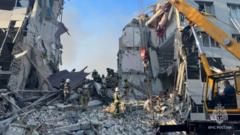
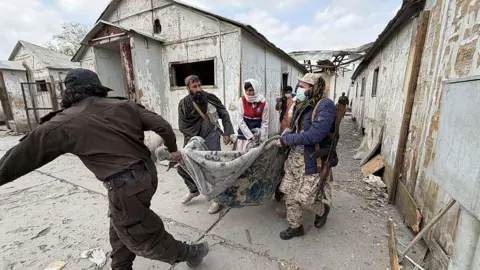
Monday's air strike on Kabul resulted in the highest number of casualties seen since hostilities began again in February.
Within hours of explosions ringing across the capital, both sides were posting on social media — a war of words as people searched for answers.
The Pakistani military regime has once again violated Afghanistan's airspace and targeted a drug rehabilitation hospital in Kabul, resulting in the death and injury of addicts who were undergoing treatment, posted Zabihullah Mujahid, the Taliban government's spokesperson, who added he considers such an act to be a crime against humanity.
On an account called Fact Checker MOIB, Pakistan's Ministry of Information responded, stamping propaganda across a picture of the Taliban spokesman's post.
On night 16 March, Pakistan precisely targeted military installations and terrorist support infrastructure... that were being used against innocent Pakistani civilians, the post said.
By the morning, the Taliban officials claimed that the death toll in the strike was more than 400. The BBC could not independently verify this total but was told by sources that more than 100 had been killed. The United Nations Assistance Mission to Afghanistan later said they verified 143 deaths and 119 injured, suggesting this number could increase as they continue the process.
The week has been indicative of how this conflict has played out. Neither side is holding back militarily — air strikes from Pakistan, drones from the Taliban government — nor in their language.
Both sides blame the other for initiating the conflict. Pakistan says this is about terrorism, claiming militant attacks from within Afghanistan have been escalating. The Taliban government and India deny these accusations, insisting the issues are internal to Pakistan.
Mullah Yaqoob, the Taliban's defense minister has made it clear that retaliatory actions are on the table if Pakistan continues its military operations, signaling a potential escalation in the already volatile situation.
This conflict remains marred by rhetoric and violence, with no immediate resolution in sight. As both sides dig in, their prospects for reaching a reconciliation seem increasingly dim.