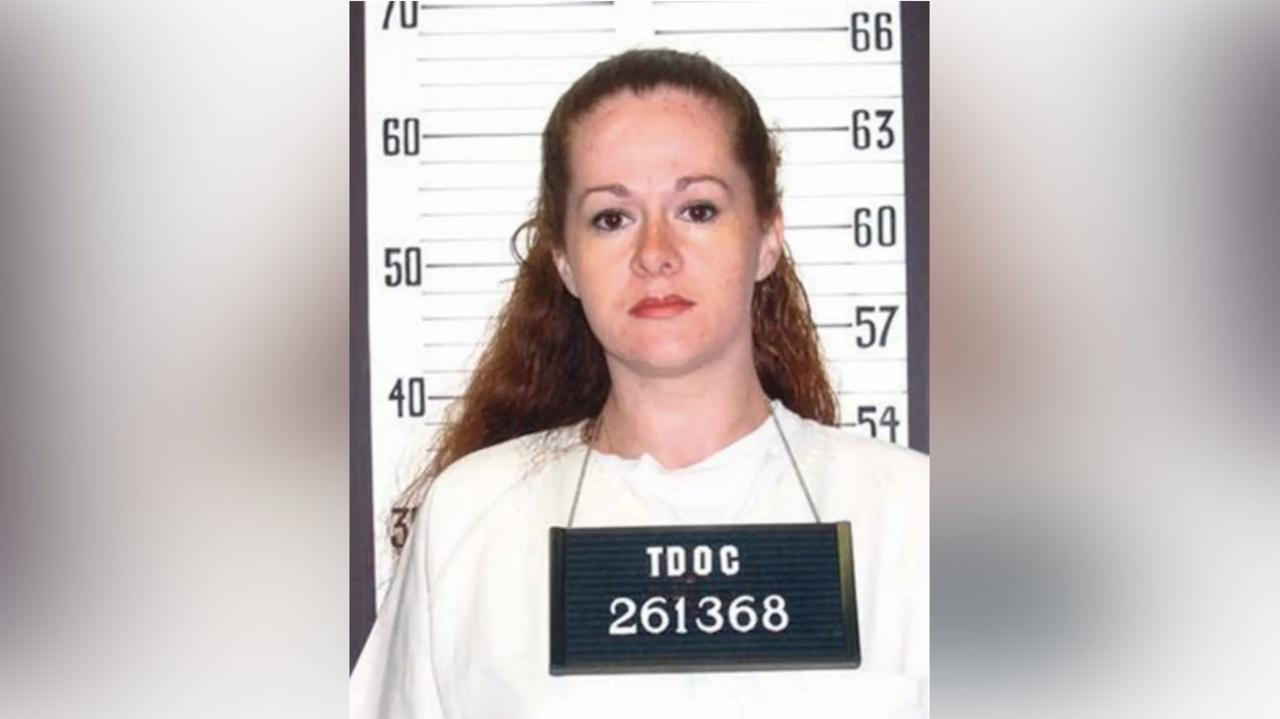
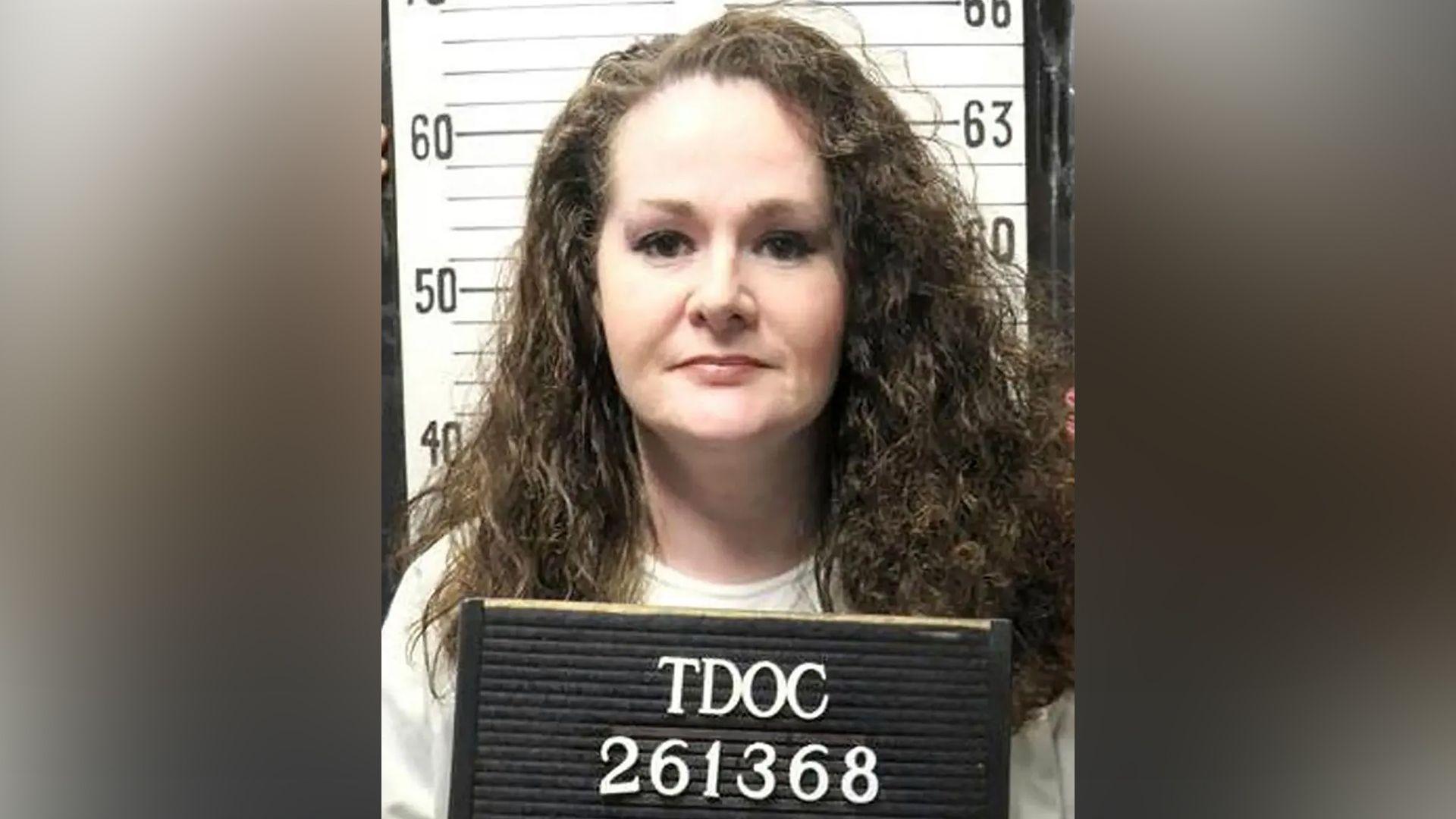
Christa Pike’s Survival and the Re‑evaluation of the Death Penalty
When a Tennessee inmate survived two execution attempts, the nation’s most contentious punishment was thrust back into the spotlight. Killing is a punishment that has long been debated, and the surviving execution has become a case study in how often the death penalty is actually applied.
Recent Numbers: The U.S. Behind the Headlines
According to the most recent data released by the Death Penalty Information Center, the United States executed 59 people in 2023, a drop from 116 the year before. Only 18 states, out of 50, carried out executions that year, meaning that on average, fewer than two executions occur daily across the country.
Historical Context: From 1976 to Today
Following the 1972 Supreme Court ruling that halted the death penalty, the federal and state courts revived the death penalty in 1976. During the 1980s and 1990s the pace of executions climbed steadily, reaching a high of 916 executions in 1999. Over the last two decades, however, the trend has trended sharply downward.
Legal and Ethical Challenges
New evidence of wrongful convictions and the cost of death penalty trials—often tens of millions of dollars—have pushed many states to consider reforms. In 2024, 12 states have abolished the death penalty entirely, while several other states are moving toward repeal or moratoria.
Public Opinion and the Future
A Gallup poll released this year found that 59 percent of Americans still support the death penalty for the most heinous crimes, while 32 percent oppose it. Yet the gap between support and the actual implementation rate is widening.

Source: Death Penalty Information Center and Gallup Poll (October 2024)