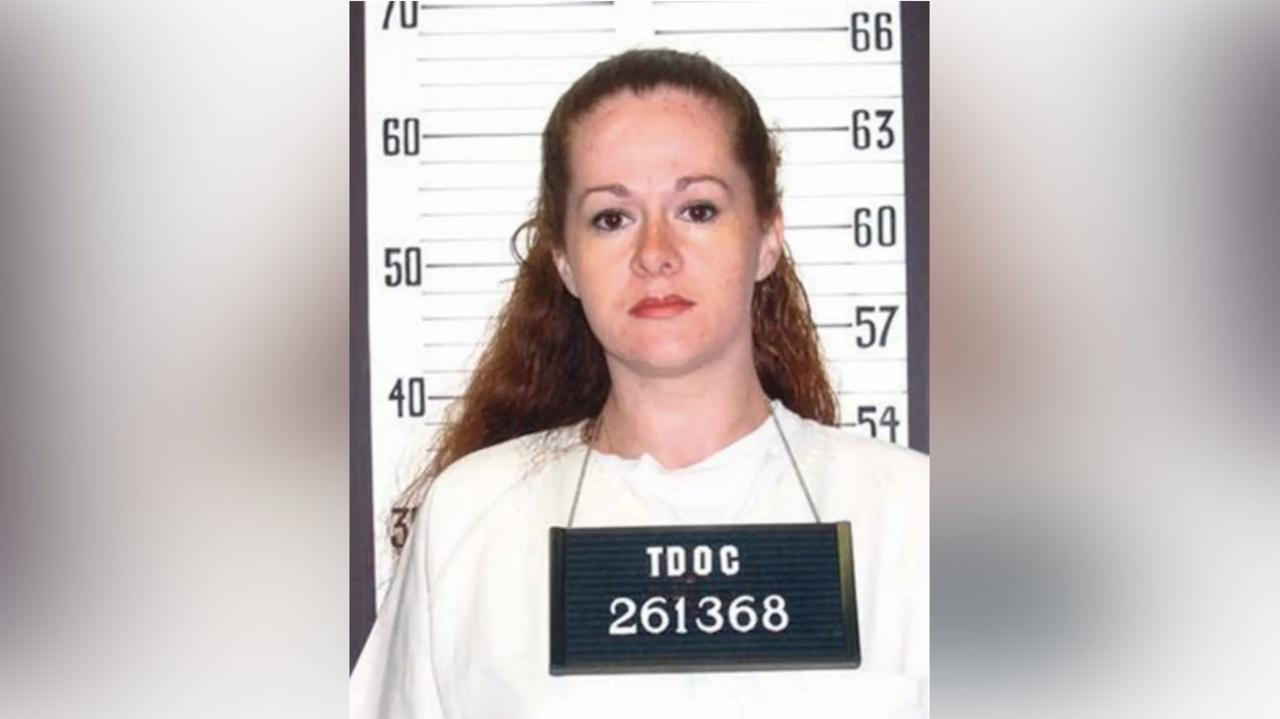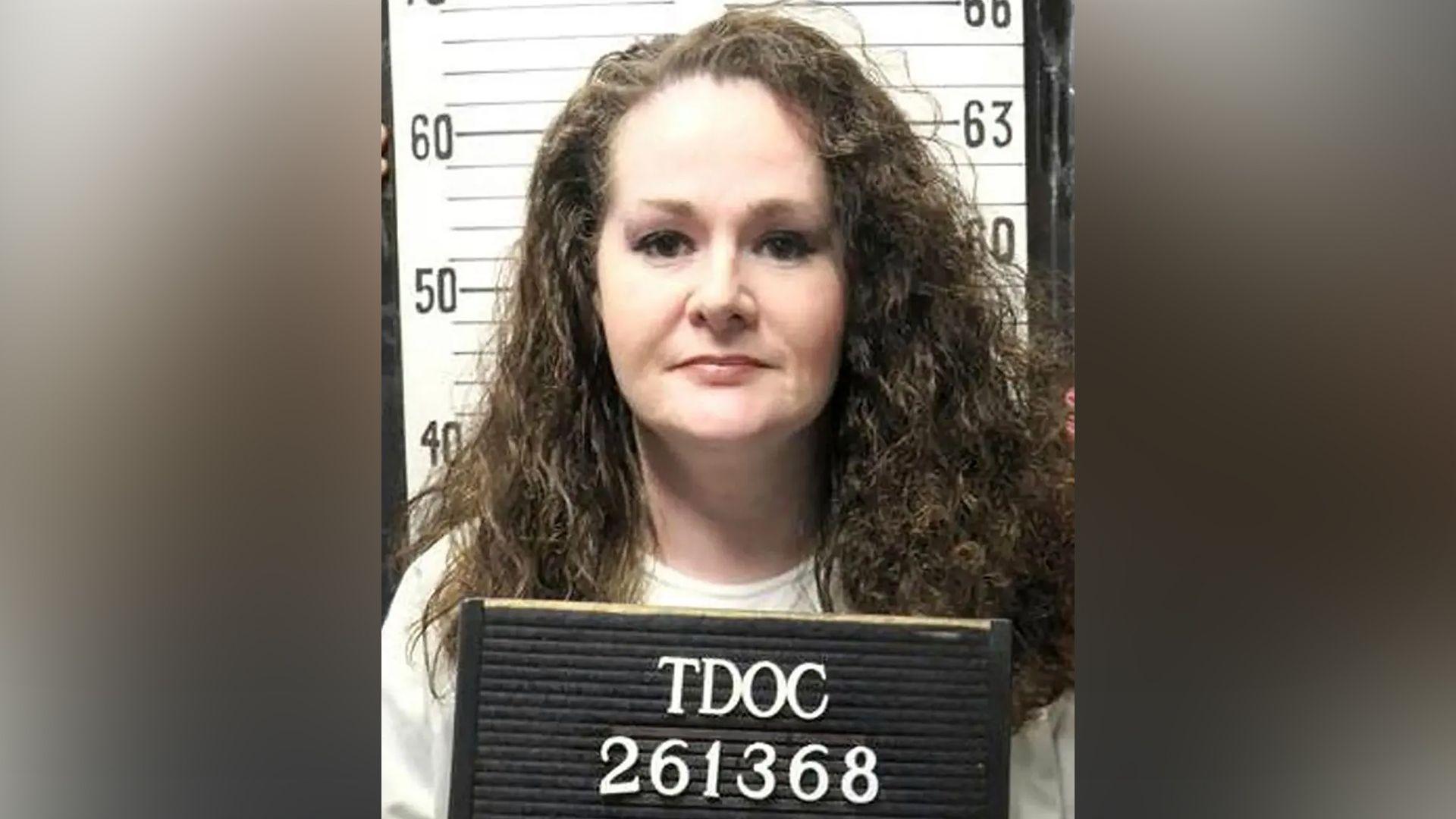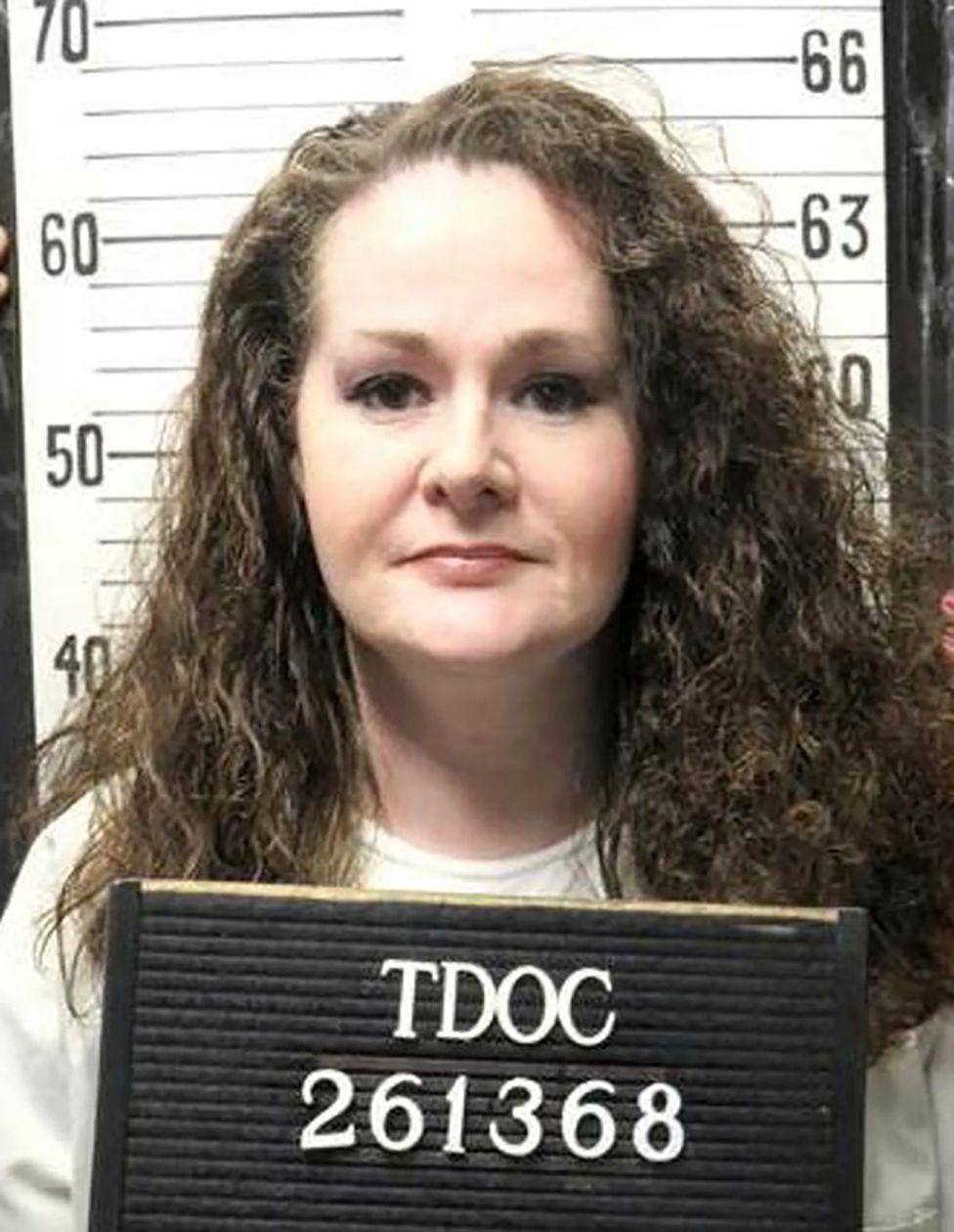
Christa Pike, a 50‑year‑old convicted murderer, is in critical condition after a failed lethal injection on Wednesday night in Tennessee. The state’s death row inmate received two shots of the drug pentobarbital, but her legal team says the injections did not stop her heartbeat and she could still be heard snoring.
What Went Wrong?
Pike was sentenced to death in 1996 for the murder of 19‑year‑old Colleen Slemmer. On the scheduled execution day, the federal courts cleared United States District Judge John B. R. Ki was prepared to allow the injection; the Supreme Court denied a challenge on the final hour. The double injection allegedly failed to bring about the physical changes required for death, leaving Pike alive.
Officials from the Tennessee Department of Correction say the protocol does not specify an alternative if a second dose fails. The lethal injection program has been criticized for its secrecy and lack of clarity about patient outcomes.
What Happens Next?
Pike was transported to an off‑site medical facility where doctors were providing life‑saving measures. Her lawyers report uncertainty about her prognosis and medical updates. Dr. Joel Zivot from Emory University warned that delayed resuscitation could cause brain injury.
The Supreme Court historically has not barred a second execution after a botched first attempt. In 2024, Alabama was allowed to proceed with a second execution after a failed injection earlier that state. However, many legal scholars, such as John Mills, believe federal courts would likely intervene if a second attempt is made today.
Pentobarbital and the Death Penalty
Pentobarbital is a powerful sedative used in high doses to stop the heart and nervous system, making it common in lethal injections. The Biden administration’s 2023 review expressed concern over the drug’s potential for unnecessary pain, which led to its ban in federal executions. Tennessee, however, retains the right to use it.
Historical Context
The Pike failure is not the first botched execution in Tennessee in 2026. In May, Tony Carruthers’ execution was postponed after staff couldn’t locate a vein, earning him a one‑year reprieve. In 2022, over a third of US executions were reported as problematic.
Who Was Colleen Slemmer?
Slemmer’s murder was a brutal home invasion that left her body carved with a pentagram. She was found dead with her victim’s skull pieces on display by Pike. Her mother, May Martinez, traveled 11 hours from Florida to witness the execution attempt, saying she wanted Pike to remember the life that was taken.
Shipp, Pike’s accomplice, received a life sentence with possibility of parole; he was spared the death penalty due to his age at the time of the crime.
The case raises profound questions about legal precedent, medical ethics, and the future of capital punishment in the United States.
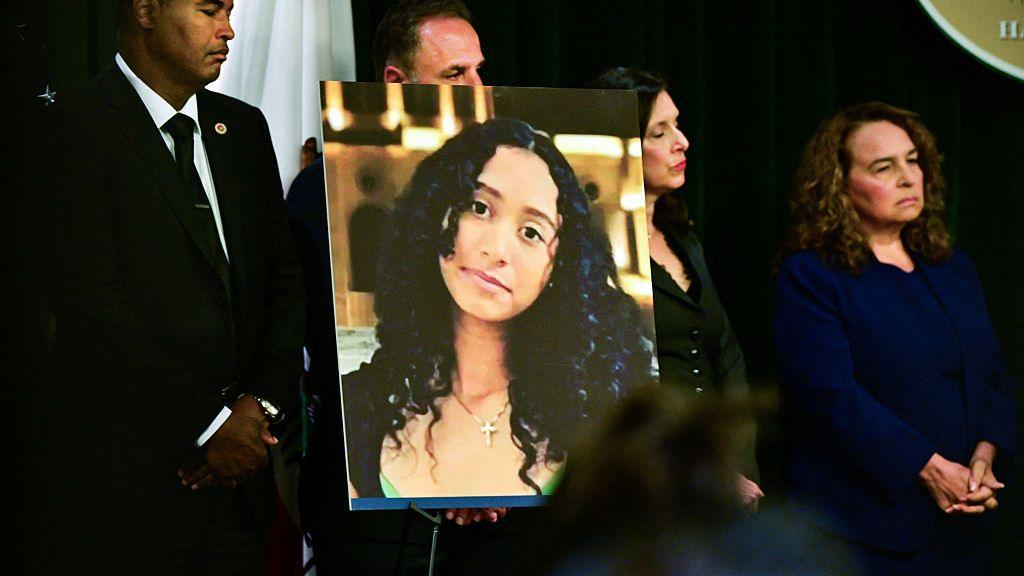
 Family handout of Colleen Slemmer.