Hotel Room Mix‑Up Fuels Debate Over Eris Patterson’s Murder Appeal
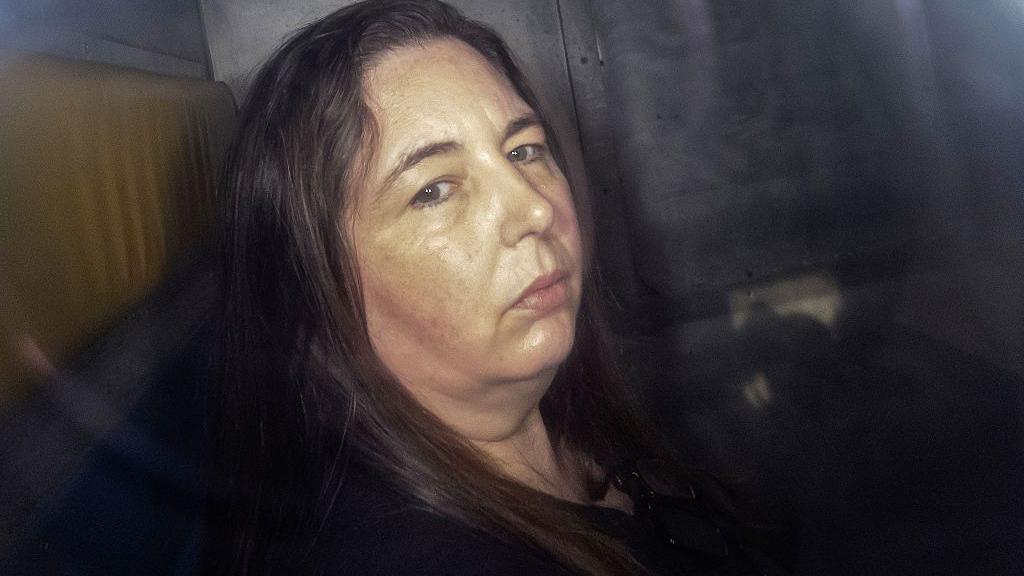
The infamous case of Eris Patterson, who poisoned her estranged husband’s family with a mushroom‑laden lunch in 2023, is now taking centre stage in a very different arena: the accommodation of a jury housed in a local hotel. The overlap with a major table‑tennis championship in Gippsland created a logistical nightmare that may have compromised the jury’s isolation.
In Melbourne’s Morwell court, a judge mandated that the twelve jurors be sequestered once deliberations commenced. The town’s small hotel, already booked for visitors from the championship, could not accommodate the jurors, so they were placed in a separate floor. The email notification that surfaced on 7 July revealed that, on the night the jury stayed, a lead detective and two prosecutors were also at the same hotel, although they were said to have used separate areas.
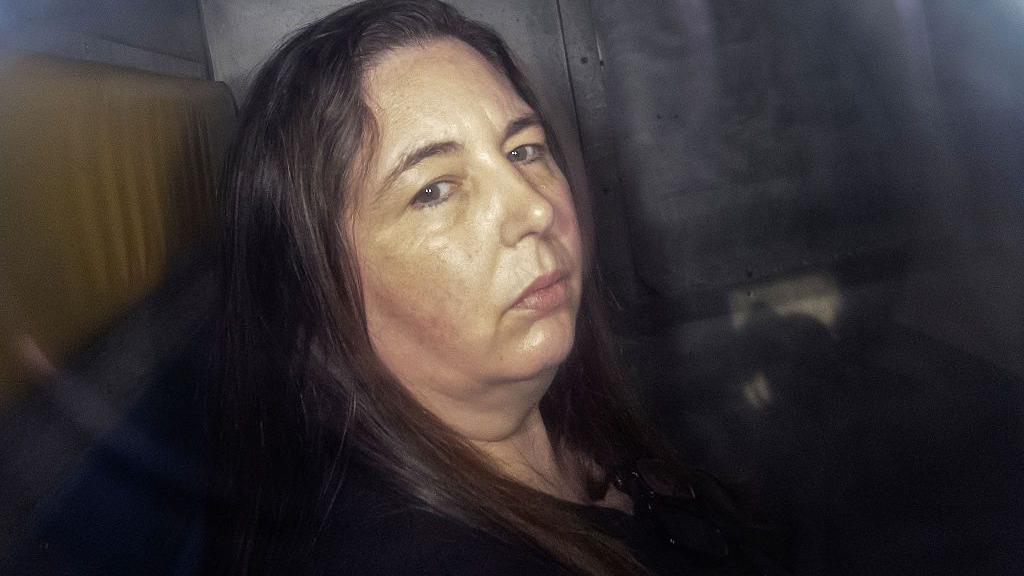
Patterson’s lawyer, Richard Edney, called the situation a “fundamental irregularity” that “fatally undermined” the impartiality of the verdict. While no direct contact between jurors and the detective or the prosecution has been proven, the defense argues that mere exposure—such as seeing acquaintances outside their dedicated windows—could influence jurors subconsciously.
The prosecutor’s office maintains the integrity of the process. Brendan Kissane KC said the jury was “constantly supervised” and that all precautions were taken once the potential problem was identified. He added that the system behaved as intended and that no communication occurred.
Despite these assurances, Paterson has seven appeal grounds, the most recent claiming a lack of fairness due to the controversy over the hotel’s accommodation. The court is still deliberating on her appeal while the prosecution seeks to overturn her parole options.
The case highlights the fragile boundary between procedural security and the practicalities of a small town hosting a national sporting event. As the trial’s future hangs in the balance, the legal community watches closely to see whether a hotel room's mistake will rewrite the definition of judicial fairness in Australia.