Australian Survivor Receives ‘Second Chance’ After Brutal Shark Bite
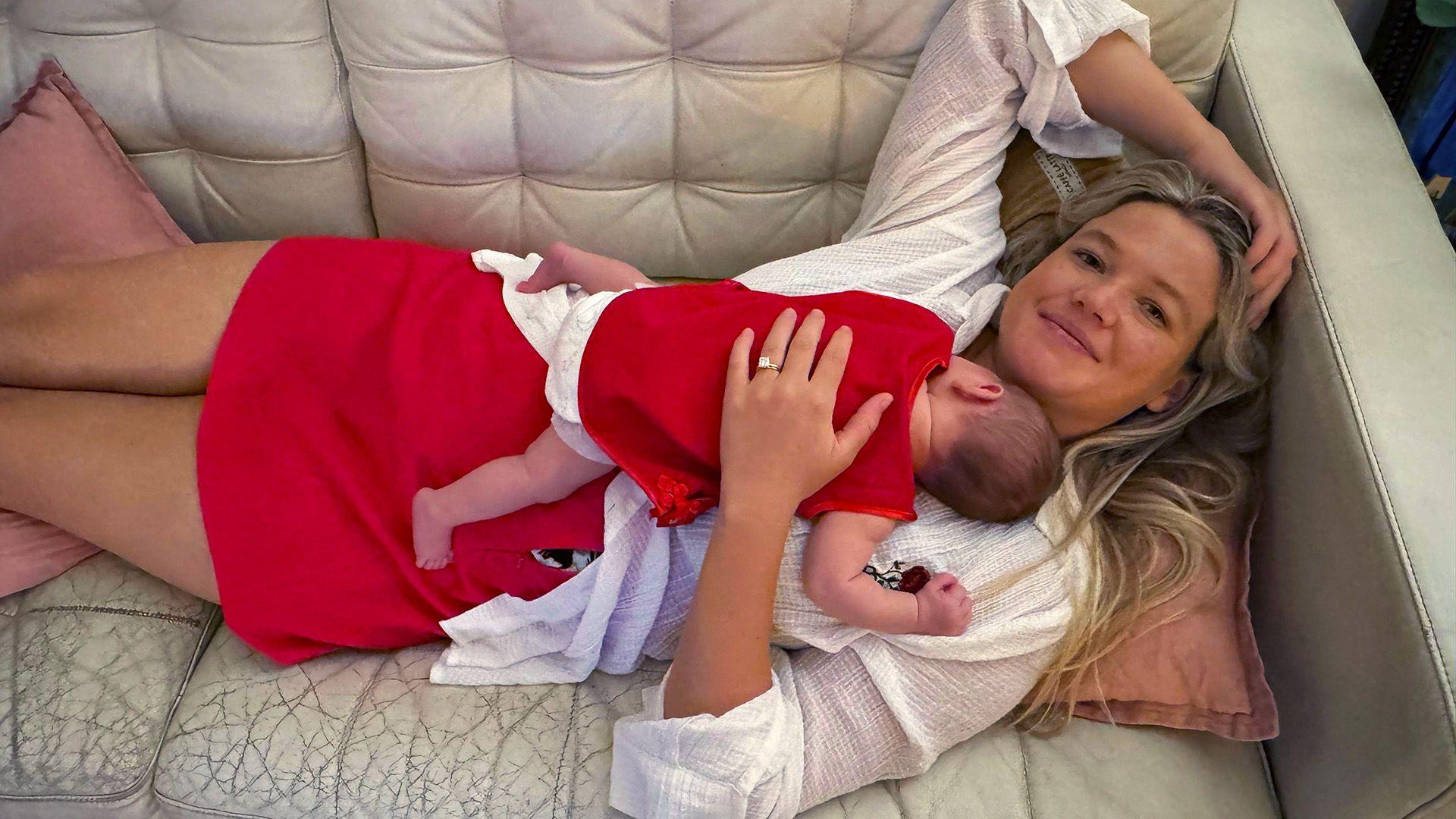
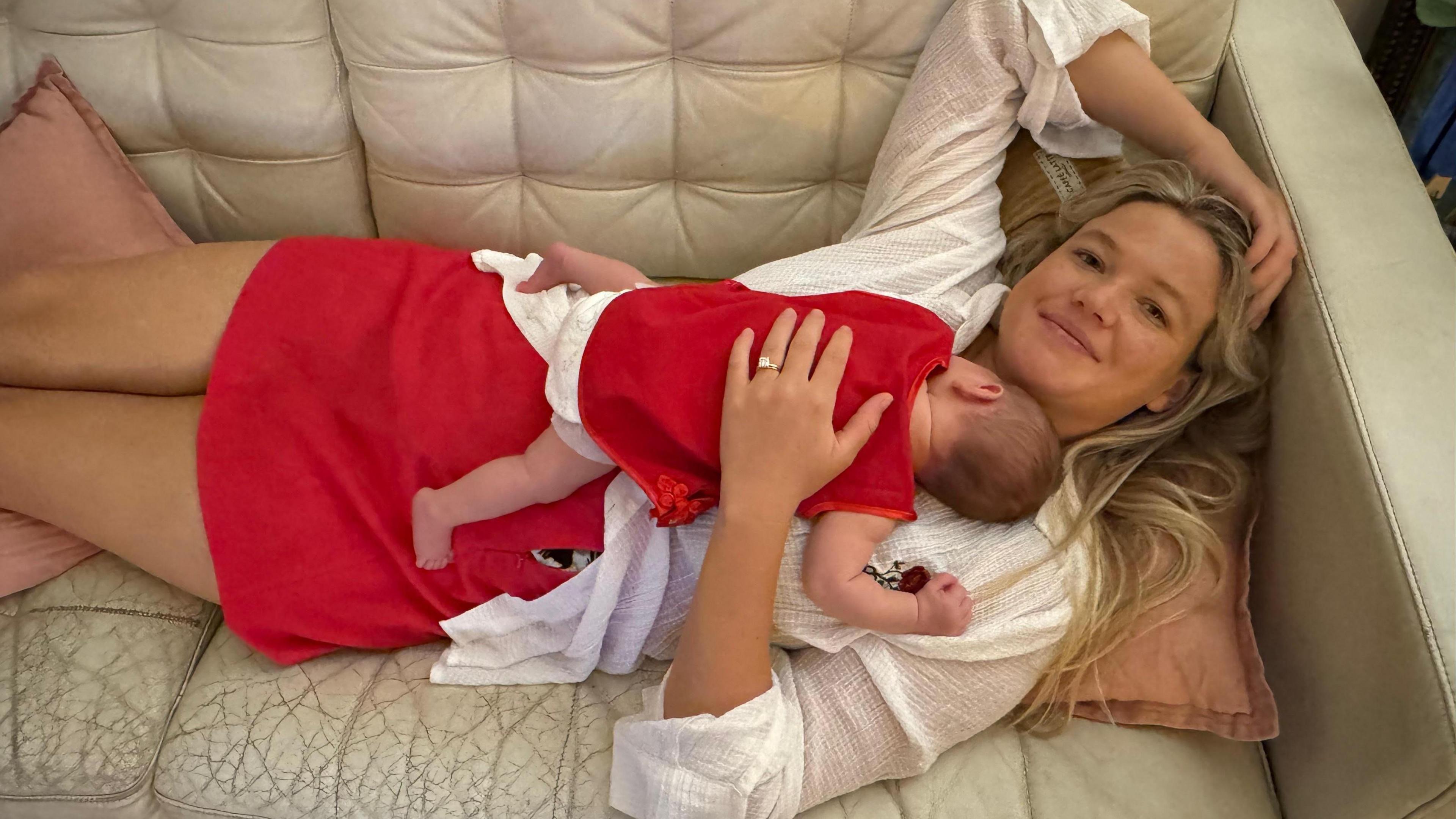
A wave of outrage spread across Australia last June after a 34‑year‑old Sydney mother, Leah Stewart, was mauled by a shark at Coogee Beach. The attack left her with severe cuts to her arms and legs, required seven weeks in ICU, and ultimately led to the amputation of her left arm.
Despite the magnitude of her injuries, Stewart has made a remarkable recovery and is speaking publicly about her resilience. She posted an emotional thank‑you note on social media, saying, “After what has been an incredibly difficult few months, I’m so happy that I’ve progressed enough to build some independence.” She added, “I feel like I’ve been given a second chance at life, and I’m not going to waste it.”
The fundraising campaign for Stewart reached an unprecedented AU$550,000 (US$394,000; £289,000). The money will cover her ongoing rehabilitation at home and future medical treatments, according to her posts. The outpouring of support underscores the compassion of friends, family, and even strangers who found her story moving enough to adopt her as a global cause.
Shark Attacks on the Rise
Stewart’s story comes amid a troubling upsurge in shark incidents across Australia this year. In January, four attacks hit beaches in two days, including a fatal bite to a 12‑year‑old boy at Sydney’s Bondi Beach. Later, a men‑spearfishing incident in Queensland killed a man, and a 13‑ft shark took the life of a father‑of‑two on the Western Australian coast.
These events have renewed calls for stronger beach protection measures such as mandatory shark nets and stricter monitoring, especially in high‑traffic surf zones. Nonetheless, experts note that while nets can reduce fatal incidents, they also disrupt marine ecosystems and require careful management.
Looking Ahead
Stewart plans to use her experience to influence public policy and support. She will be featured in an upcoming Nine Network 60 Minutes interview, where she will share her perspective on shark‑related safety and her ongoing rehabilitation.
Her story is a stark reminder of the delicate balance between enjoying natural beaches and the inherent risks they pose. Community advocacy, scientific research, and responsible tourism are all pivotal to preventing future tragedies while preserving marine life.