Songs created by AI have been banned from Australia's music charts.
Australia’s music governing body, the Australian Recording Industry Association (ARIA), has outlawed tracks that are largely or wholly generated by artificial intelligence from appearing on its national charts.
The ruling follows the controversy surrounding DJ Josh Fawaz’s AI‑assisted cover of Madonna’s "Like A Prayer," which topped the ARIA dance singles chart and peaked at number two on the overall chart before backlash forced the addition of generative AI credits.
ARIA said the new code promotes the human nature of artistry, insisting that releases must be "substantially human made." Under the updated rules, AI tools can still be used for mastering, drum machines and auto‑tune, but the song must be written by a human and the lead vocal and primary instruments performed by a human artist.
The chart may retrospectively adjust positions or demand returns of awards if later found to be largely AI‑generated. Artists who believe they have been wrongly excluded can appeal.
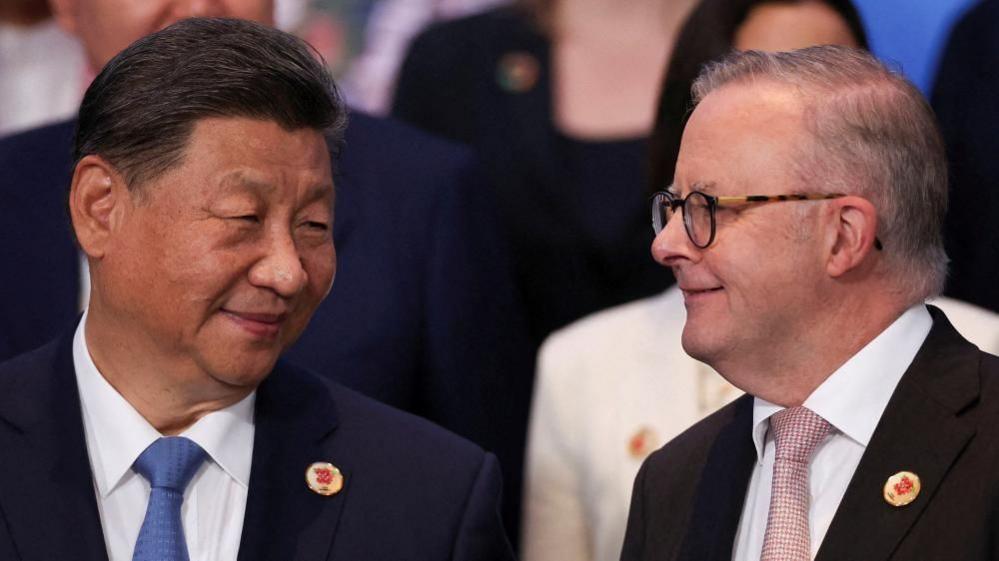
Peking Duk, an Australian electronic act, publicly praised the change, noting that AI-generated music "removes the human experience from life". Prime Minister Anthony Albanese has pledged protection for Australian creatives, stating that they should control and be compensated for any training of AI on their works.
The decision is in line with IFPI’s directive to roll out AI chart regulations in Latin America, the Middle East, Africa and Southeast Asia, and echoes a similar ban on Sweden’s charts earlier this year for an entirely AI‑created song.