
In brief
In a significant legislative move, Georgia could become the first state to mandate that all public school students pass through weapons detection systems every day. This proposal, spurred by a tragic school shooting in 2024 that claimed four lives, has ignited a heated debate over school safety, potential costs, and the effectiveness of such measures. Critics are questioning the necessity of such systems in elementary schools and whether they address the root causes of gun violence.
Georgia is set to potentially become the first state in the U.S. to require daily weapons checks for students entering public schools. The legislation, which is moving swiftly through the state legislature, aims to implement advanced weapons detection systems following a tragic shooting in 2024 that left four students dead.
Daria Lezczynska, a junior at Apalachee High School where the shooting occurred, expressed her sentiments stating, That rifle would have never reached our hallways. Lives would have been saved. Families would not be grieving; students like me would not be carrying this trauma. This poignant remark reflects the urgency felt by many advocates for increased school safety measures.
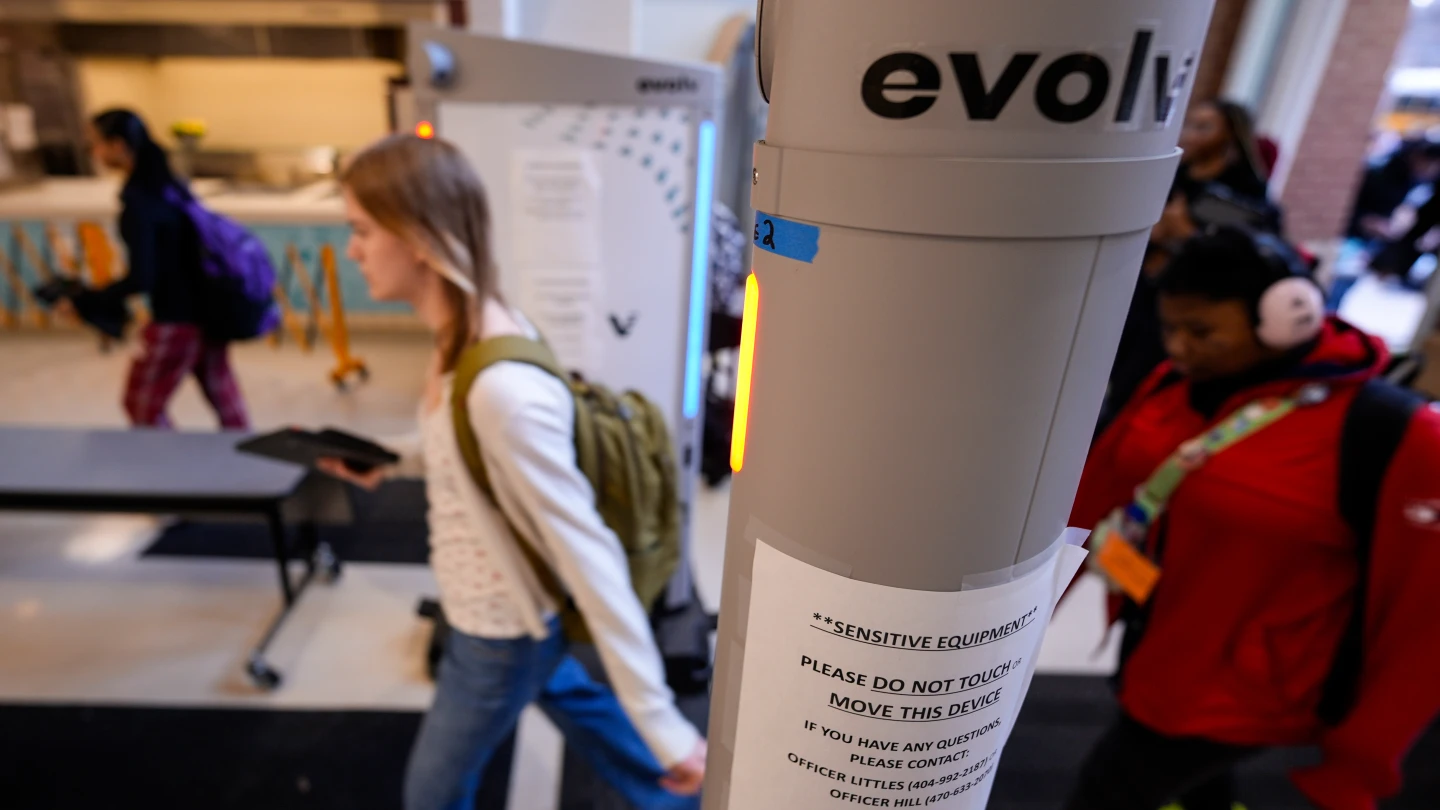
While some schools have used metal detectors previously, the proposed legislation would integrate new technology that utilizes computer analysis alongside traditional detection methods to identify weapons more effectively. This technology has gained traction in environments such as schools, hospitals, and public venues.
Chuck Efstration, the bill's sponsor and Georgia's House majority leader, emphasized that students and educators deserve the same level of security while in school as they would find in courthouses or airports.
Despite the growing support, there are concerns regarding the financial implications of installing such systems. With costs potentially exceeding $10,000 per detection system, the question arises as to where the funds will be sourced. Current safety funding for schools stands at $50,000 per campus annually, a portion of which is often allocated to on-campus security personnel.
More troubling is the lack of empirical evidence suggesting that weapons detection systems significantly reduce the likelihood of school shootings. Some experts warn that the frequent false alarms produced by these systems might dull the vigilance of staff tasked with monitoring, leading to potential lapses in actual threats.
In the broader discussion, critics highlight the inadequacy of focusing solely on detection systems. They contend that reducing access to firearms among children is a crucial approach that should be prioritized alongside any security measures.
The bill passed an amended version through a Senate committee and is expected to undergo final votes in both legislative chambers ahead of Governor Brian Kemp's potential signature. If enacted, Georgia's policy could set a precedent for other states grappling with the ongoing crisis of school safety.
