From Rapper to Prime Minister: Balendra Shah Takes the Helm in Nepal
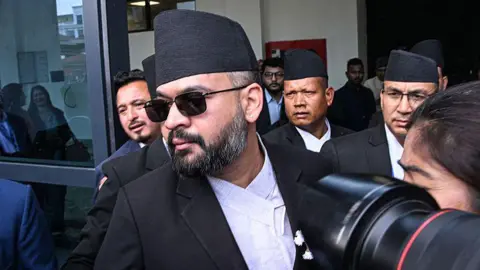
Rapper-turned-politician Balendra Shah has officially taken office as Nepal's prime minister after a landslide victory in the country's first election since last year's youth-led protests. This 35-year-old, popularly known as Balen, champions a significant shift in the political landscape, resonating with an electorate frustrated by longstanding issues of corruption and elite dominance.
Shah's ascent is underscored by a promise of change, particularly appealing to younger voters who have seen rampant corruption erode public trust in their leaders. Just before being sworn in, Shah released an inspiring track about Nepal's future, proclaiming, Undivided Nepali, this time history is being made, which received over two million views within hours.
Originally rising to fame in Nepal's underground rap scene, Shah has long used his music to critique social injustices. His political career began with victories as an independent candidate for Kathmandu's mayoral office, where he enacted popular policies and cleanliness campaigns while confronting resistance from entrenched political parties.
Shah's political party, the Rastriya Swatantra Party (RSP), capitalized on the public's desire for fresh leadership in the recent general elections, significantly disrupting traditional power dynamics.
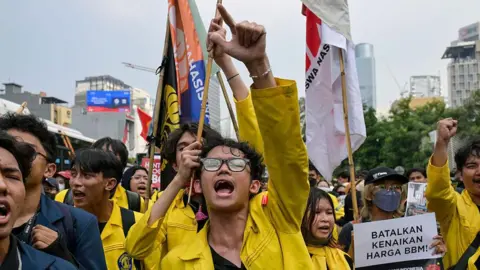
Despite his popularity, Shah faces skepticism about whether his four-year-old party can fulfill its ambitious pledges amid numerous challenges, including managing public expectations, economic stagnation, and security concerns in the region following widespread protests that claimed many lives last year.
Shah's unconventional campaign style—largely avoiding mainstream media and opting for direct social media engagement—has drawn both praise and criticism. Questions linger over his ability to respond effectively to challenges that come with his newfound authority.
His administration begins with high hopes, but only time will tell if Balendra Shah can translate his artistic expression and public support into tangible governance outcomes.