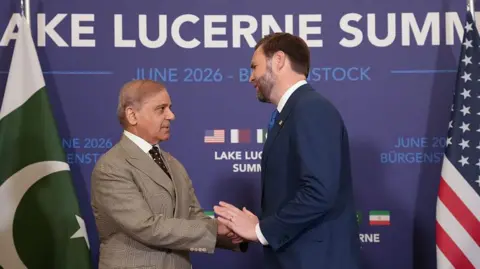
The venue is ready, the guards are in place and the curb along the approach road has received a fresh coat of yellow and black paint. Islamabad awaits. As hosts of vital US-Iranian talks, the Pakistani government officials are making optimistic noises, emphasising that unlike many others, they enjoy the trust of both sides.
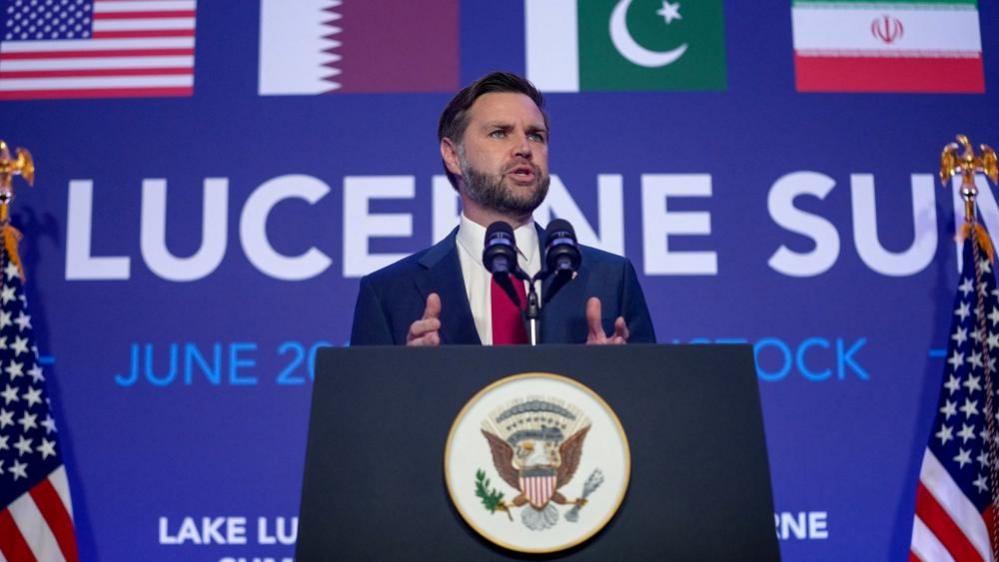
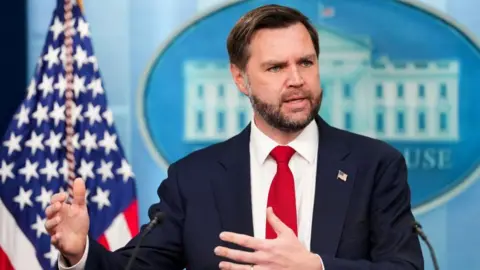
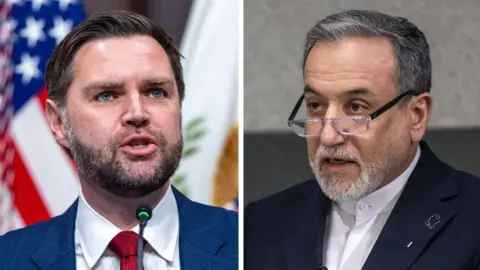
The man heading the US delegation, Vice President JD Vance, is also sounding upbeat. If the Iranians are willing to negotiate in good faith, he said before leaving the US, we're certainly willing to extend the open hand. However, there was a warning too. If they're going to try to play us, then they're going to find the negotiating team is not that receptive.
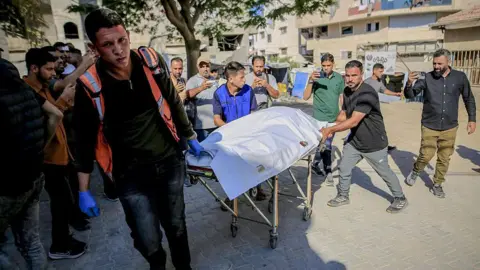
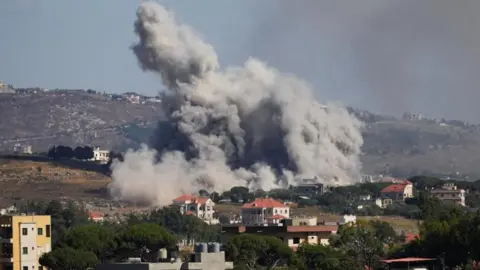
It's fair to say that a whole mountain of obstacles lies ahead. One significant issue is the ongoing conflict involving Iran's ally Hezbollah in Lebanon, which threatens to derail the talks before they've even started. Iran’s president, Masoud Pezeshkian, has stated that ongoing actions against Hezbollah render negotiations meaningless. Israel’s commitment to confront Hezbollah further complicates this dynamic.
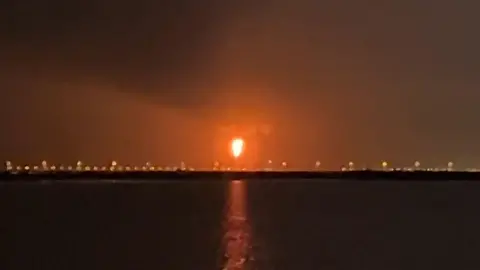
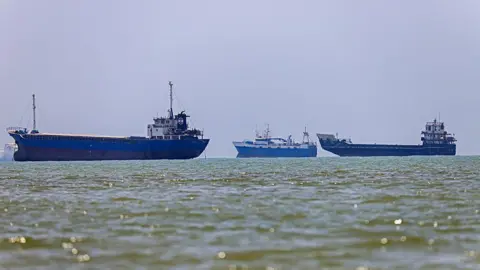
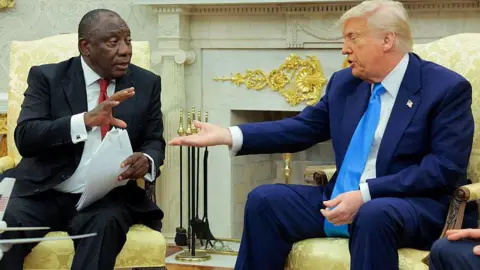
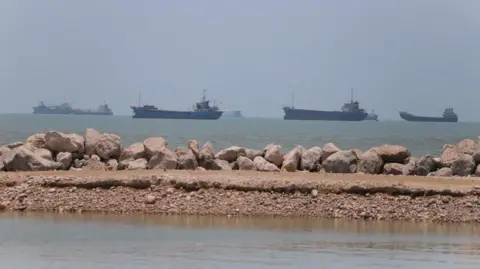
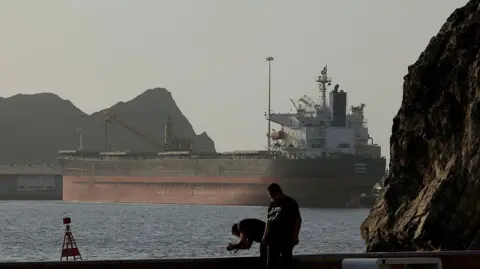
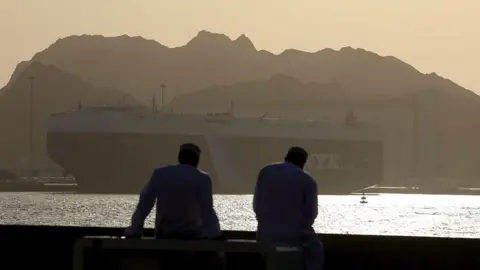
Another critical issue is the situation in the Strait of Hormuz, a vital oil shipping passage. Trump has criticized Iran's handling of ship passage, which he claims has been poor, despite previous assurances. Iran has also asserted sovereignty over the strait, creating fears of new controls and tolls for vessels passing through.
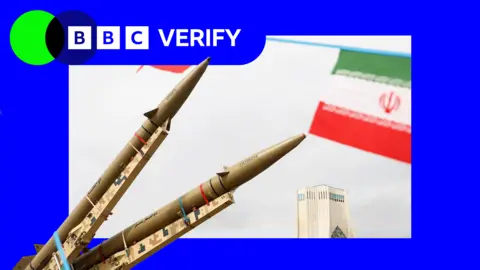
The nuclear issue stands as perhaps the most longstanding challenge, with Iran claiming its nuclear ambitions are peaceful while facing skepticism. Both nations have competing proposals regarding uranium enrichment that are pivotal to a potential agreement.
Additionally, Iran's extensive network of regional allies and its demands for sanctions relief further complicate matters. The Islamic regime has faced longstanding sanctions and is calling for their removal as part of any deal. However, the Trump administration appears reluctant to make substantial concessions, complicating the potential for dialogue.
As the negotiations unfold, much will depend on both sides' willingness to navigate these complex sticking points to reach a resolution.
The man heading the US delegation, Vice President JD Vance, is also sounding upbeat. If the Iranians are willing to negotiate in good faith, he said before leaving the US, we're certainly willing to extend the open hand. However, there was a warning too. If they're going to try to play us, then they're going to find the negotiating team is not that receptive.
It's fair to say that a whole mountain of obstacles lies ahead. One significant issue is the ongoing conflict involving Iran's ally Hezbollah in Lebanon, which threatens to derail the talks before they've even started. Iran’s president, Masoud Pezeshkian, has stated that ongoing actions against Hezbollah render negotiations meaningless. Israel’s commitment to confront Hezbollah further complicates this dynamic.
Another critical issue is the situation in the Strait of Hormuz, a vital oil shipping passage. Trump has criticized Iran's handling of ship passage, which he claims has been poor, despite previous assurances. Iran has also asserted sovereignty over the strait, creating fears of new controls and tolls for vessels passing through.
The nuclear issue stands as perhaps the most longstanding challenge, with Iran claiming its nuclear ambitions are peaceful while facing skepticism. Both nations have competing proposals regarding uranium enrichment that are pivotal to a potential agreement.
Additionally, Iran's extensive network of regional allies and its demands for sanctions relief further complicate matters. The Islamic regime has faced longstanding sanctions and is calling for their removal as part of any deal. However, the Trump administration appears reluctant to make substantial concessions, complicating the potential for dialogue.
As the negotiations unfold, much will depend on both sides' willingness to navigate these complex sticking points to reach a resolution.