Ebola Case Skipped Across Borders: Biosecurity Gaps Exposed
A 40‑year‑old Kenyan entrepreneur became the first confirmed Ebola case in Kenya, yet the virus slipped through health checks in DR Congo, Uganda, and Kenya during a severe outbreak that has already killed more than 4,000 people.
The Silent Journey
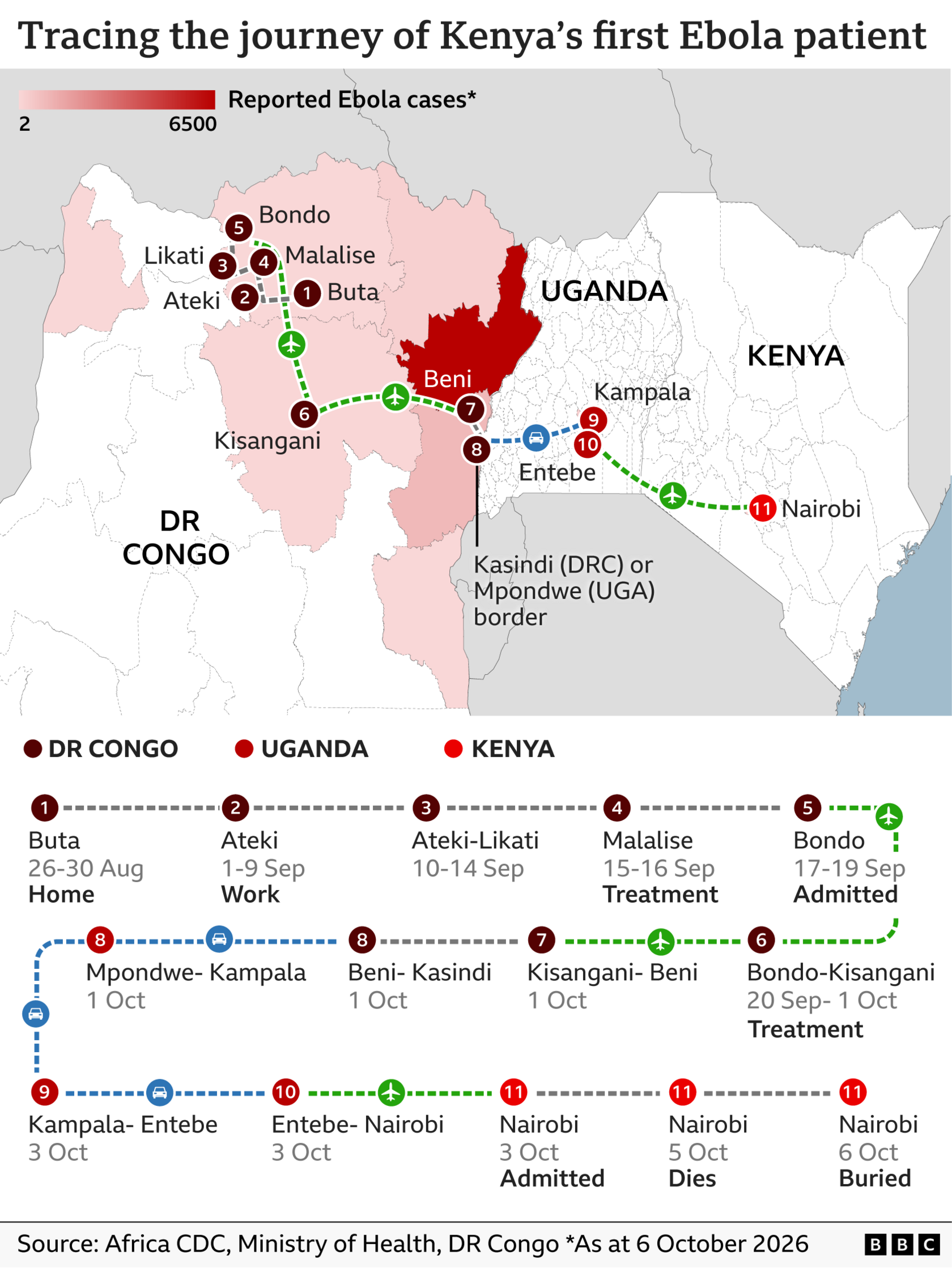
The man spent late August and early September in several provinces of DR Congo, moving through towns such as Buta, Aketi and Likati in Bas‑Uélé. He showed early symptoms—fever, rash and headache—around 15 September and was treated for a skin infection. No Ebola test was ever performed. He then flew to Kisangani on 20 September, where he stayed for over ten days seeking medical care before travelling to Uganda on 1 October, passing through Beni and Kasindi before crossing into Uganda that same day.
Uganda’s Screening Shortfall
At Entebbe International Airport, the businessman’s temperature was normal and he was cleared. Ugandan officials note that reliance on temperature checks and self‑report can miss cases when medication suppresses fever or when symptoms are mild. The border between Uganda and DR Congo is vast and sparsely monitored, further complicating enforcement.
Kenya’s Detection and Response
He arrived at Jomo Kenyatta International Airport on 3 October and was taken directly to Nairobi Hospital by a relative. By then he suffered severe fever, chills, muscle pain, sore throat and internal bleeding. Laboratory tests confirmed the Bundibugyo species of Ebola, the same strain driving the DR Congo outbreak.
The patient was isolated, but his condition deteriorated rapidly; he died on 5 October and was buried the following day under strict infection‑control protocols. The Kenyan government identified 66 potential contacts, while WHO estimates the number may rise as investigations continue.
Implications for Biosecurity
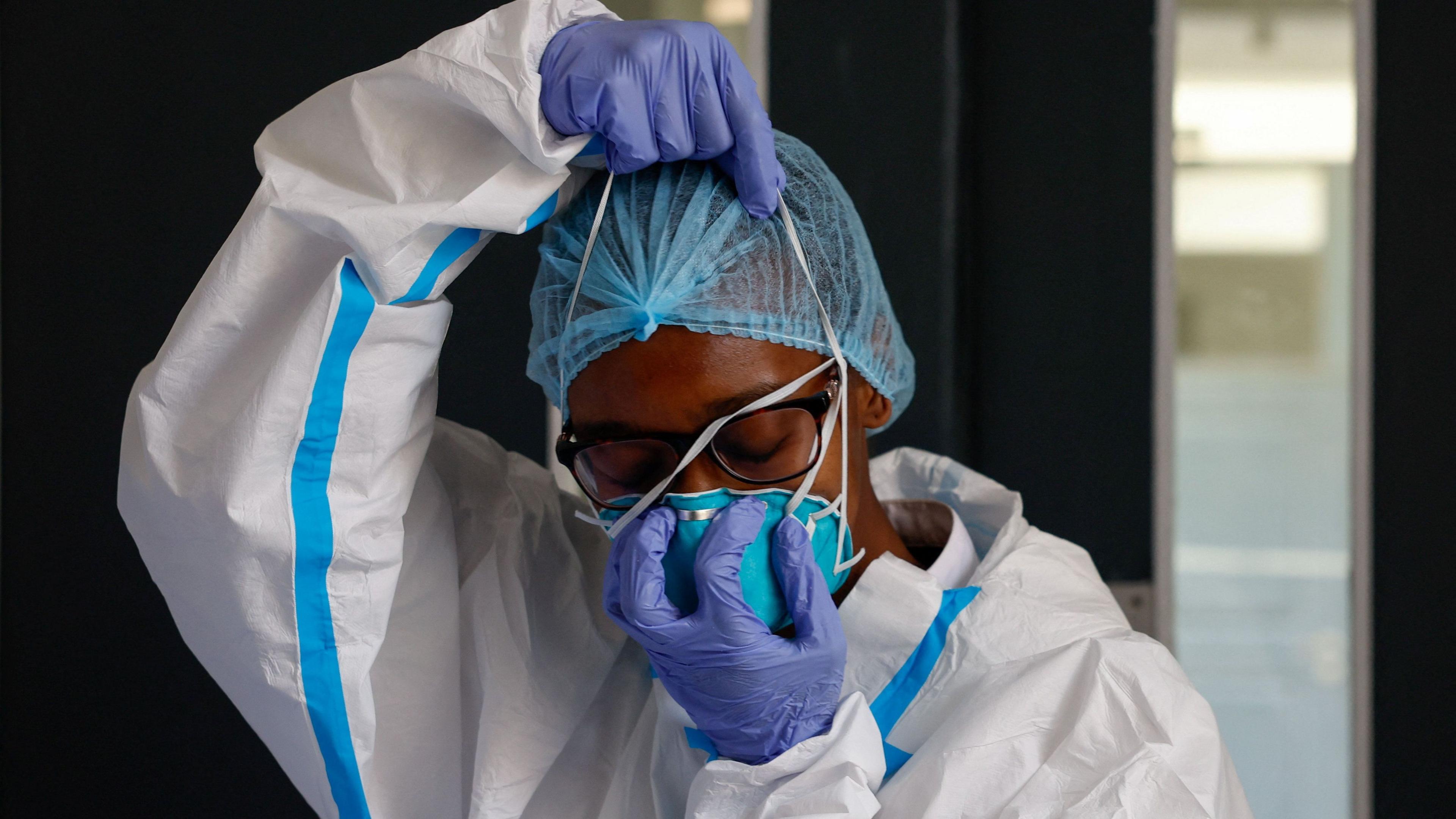
The case underscores critical vulnerabilities in cross‑border health screening during outbreaks. WHO highlights the need for robust surveillance, expanded access to rapid diagnostics, and community education to overcome stigma that deters symptom reporting. Health ministries in affected countries are urged to reinforce contact tracing, enhance training for healthcare workers, and improve coordination at airports and health facilities to prevent future silent transmissions.
As the outbreak continues, the international community watches closely, knowing that any breach in biosecurity could trigger a rapid spread of a previously contained disease.