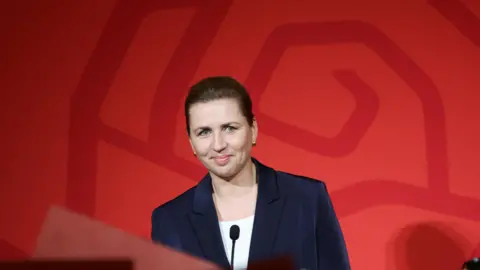
Led by Prime Minister Mette Frederiksen, Denmark's Social Democrats have won the most votes in the country's general election, but have failed to secure a majority, marking the party's weakest performance in over a century.
Taking 21.9% of the vote, the Social Democrats, who have been in power since 2019, finished first in the general election held on March 25, 2026.
While the party remains the largest with 38 parliamentary seats, it is not sufficient for an outright victory. Within the Danish parliament, Christiansborg, supporters of the Social Democrats cheered as Frederiksen acknowledged the outcome, expressing her regret at not achieving more votes.
Despite this setback, Frederiksen emphasized that the Social Democrats remain the favored party among Danes. The potential for her to stay in power for a third term now hinges on complicated coalition negotiations, which may extend over days or weeks.
The election featured twelve different political parties, with a closely contested race unfolding. The left's 'red bloc' has claimed a marginal lead over the right's 'blue bloc,' with 84 seats to the latter's 77. However, both blocs fall short of the 90 seats needed for a majority in Denmark's parliament.
Frederiksen highlighted her readiness to continue in her role, while the Moderates, holding 14 seats, emerge as crucial in these negotiations. Their leader, former Prime Minister Lars Løkke Rasmussen, has expressed a preference for a centrist government, complicating potential future coalitions.
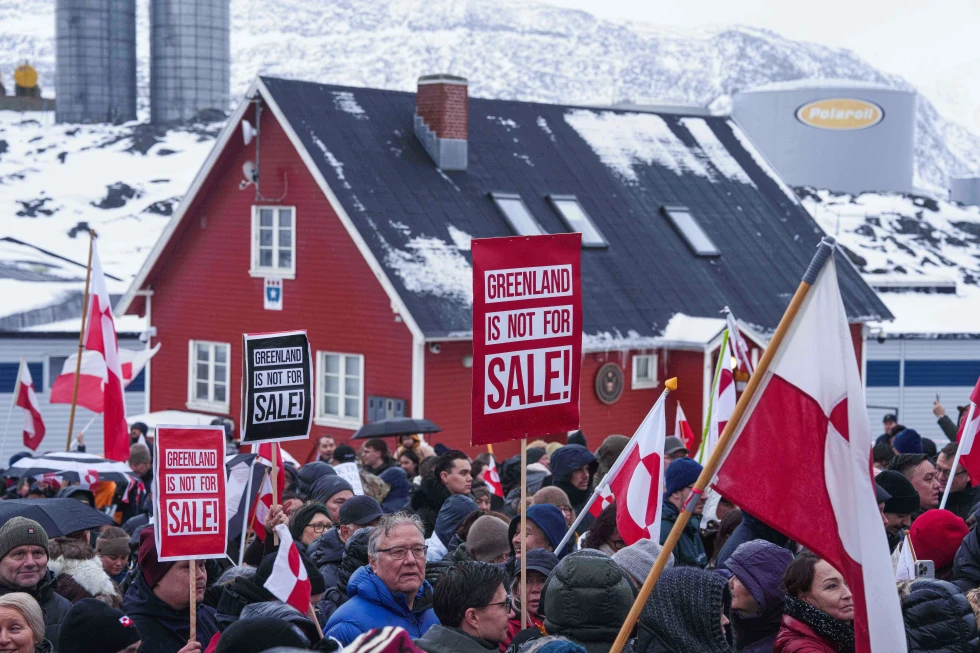
There remains uncertainty over the path forward, as various parties will need to engage in discussions to establish a government. The election results follow previous U.S. tensions over Greenland but reveal that domestic issues such as living costs and welfare concerns drove voters' priorities.