With voters’ concerns about affordability showing no sign of fading, some Democrats are rediscovering a traditionally Republican tactic for putting money back in people’s pockets — cutting taxes.
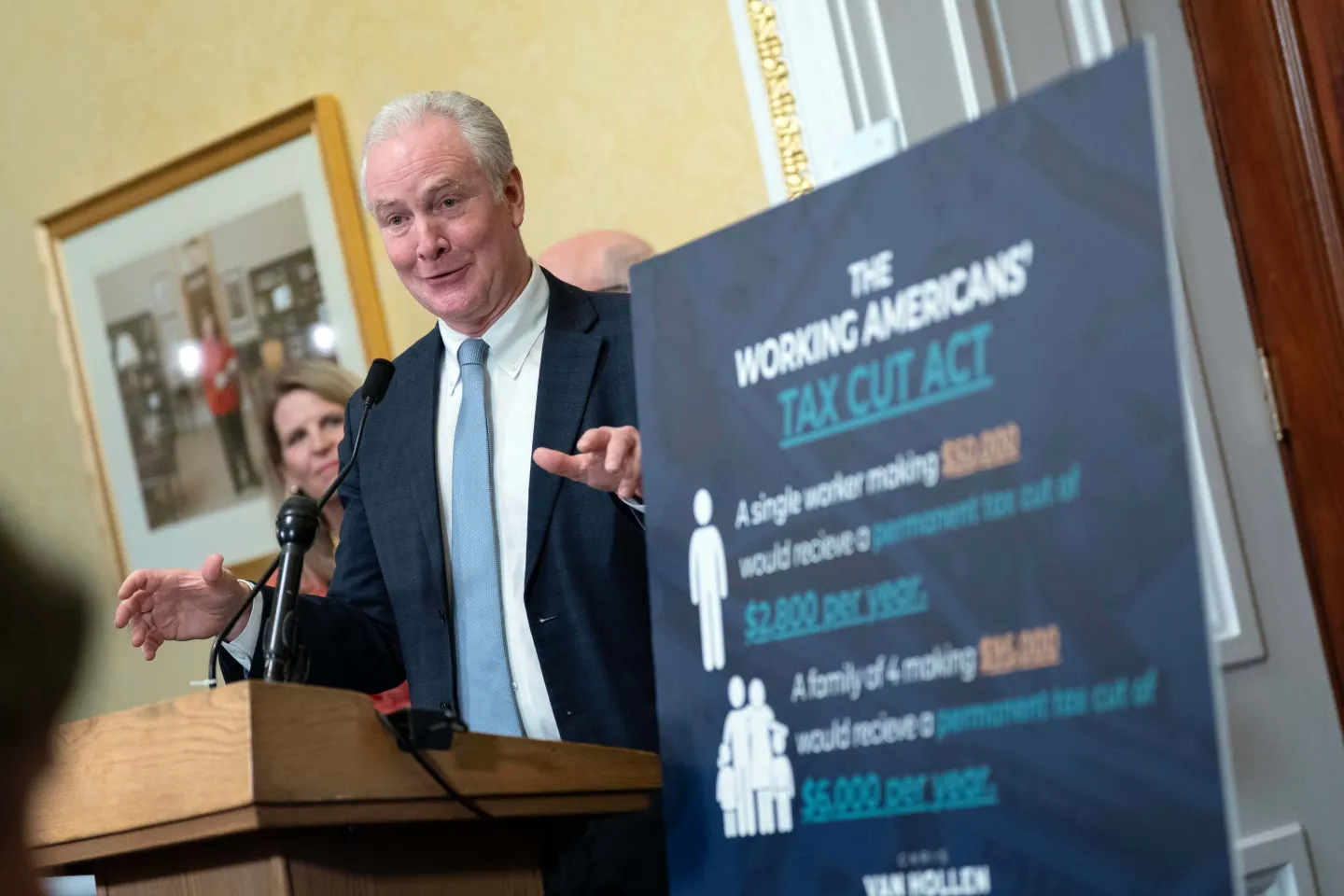
Sen. Chris Van Hollen of Maryland proposes effectively ending the federal income tax on individuals making $46,000 or less annually and reducing it for individuals making up to about $60,000 more than that amount. New Jersey Sen. Cory Booker wants to ensure households pay no income tax on the first $75,000 of earnings.
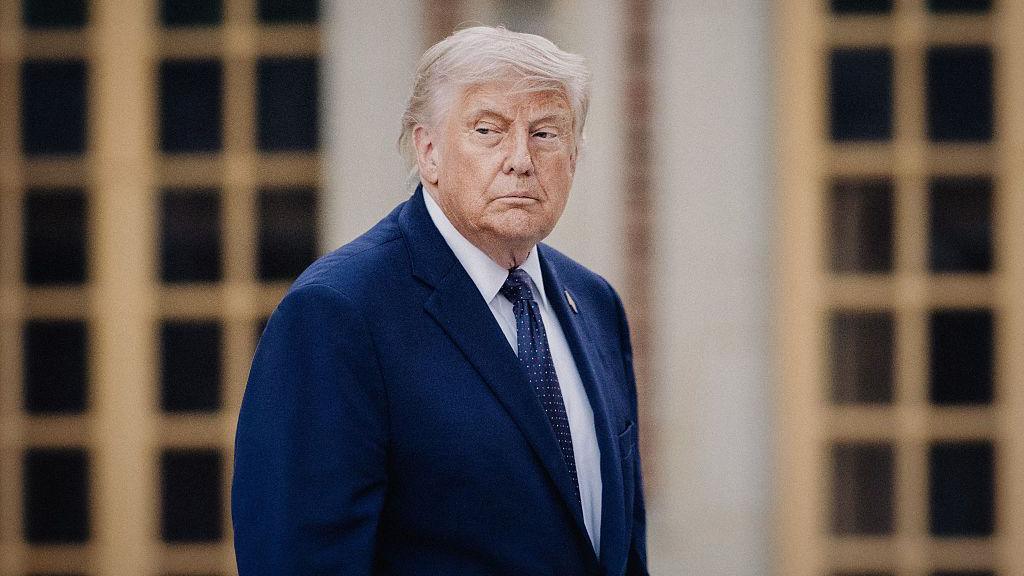
It’s an early sign that Democrats are trying to revamp their reputation by taking a page from the playbook of President Donald Trump, who stormed back to the White House with soundbite-friendly promises for things like “no tax on tips” and “no tax on overtime.”
But the plans could also undermine Democrats’ other goals, taking large pots of money off the table that could cover the cost of reversing Trump’s tax cuts for the wealthy or restoring funding to Medicaid. They would also limit funding for new initiatives that Democrats inevitably promise on the campaign trail.
Booker rejected comparisons to Trump, saying he was responding to voters who want “somebody to start fighting for them in a way that is bigger, bolder and more ambitious.”
Tax cut proposals are popping up in state races, too. Former Atlanta Mayor Keisha Lance Bottoms says she would exempt public school teachers from state income taxes as she runs for Georgia governor.
Rep. Katie Porter, who is running for California governor, says families that make under $100,000 shouldn’t pay state income tax. She added that Democrats have long taken a too complicated approach to policymaking. “I like this proposal more than a complex web of reductions because it’s more straightforward,” Porter stated.
Democratic politicians, however, are enthusiastic. Van Hollen’s legislation picked up 19 cosponsors from fellow Democratic senators. Prominent groups like the AFL-CIO have embraced the bill, emphasizing that the proposals should be simple and impactful for voters.
Porter argues that her party needs to change how they think about taxes, recognizing that taxes are not just for funding programs but also a factor in affordability concerns for many households.