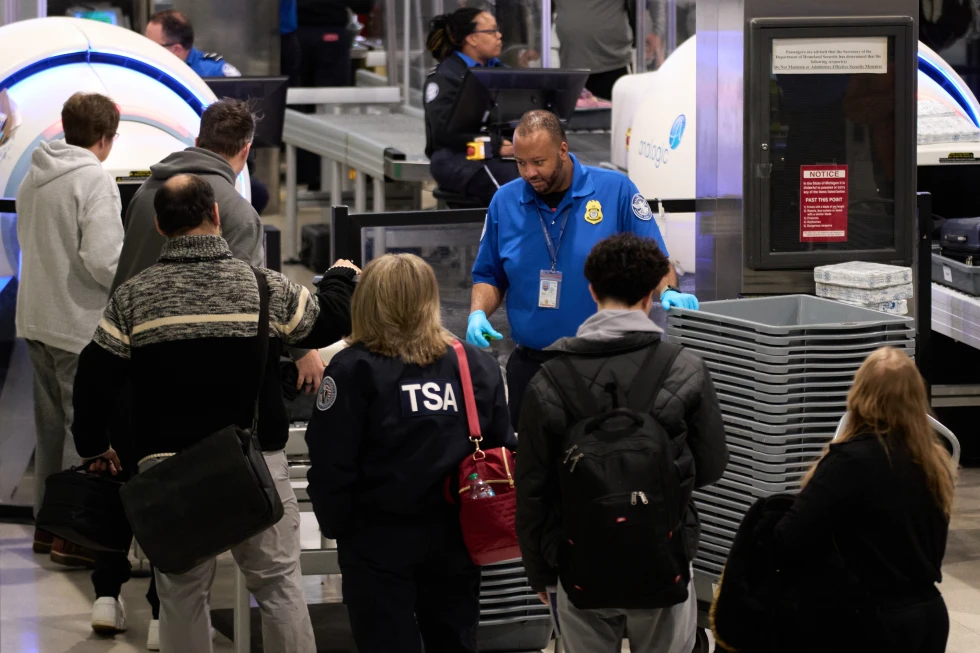
Early Saturday morning, the U.S. Department of Homeland Security (DHS) shut down, impacting essential services, including the screening of passengers and baggage at airports nationwide. As travelers with reservations gear up for potential disruptions, they may recall the significant flight cancellations and delays caused by a previous 43-day government shutdown.
The Transportation Security Administration (TSA) is expected to continue operations, with approximately 95% of its workforce designated as essential personnel, despite officials working without pay. The last prolonged shutdown saw similar measures, but experts believe the current situation may escalate faster due to lingering memories of past disruptions.
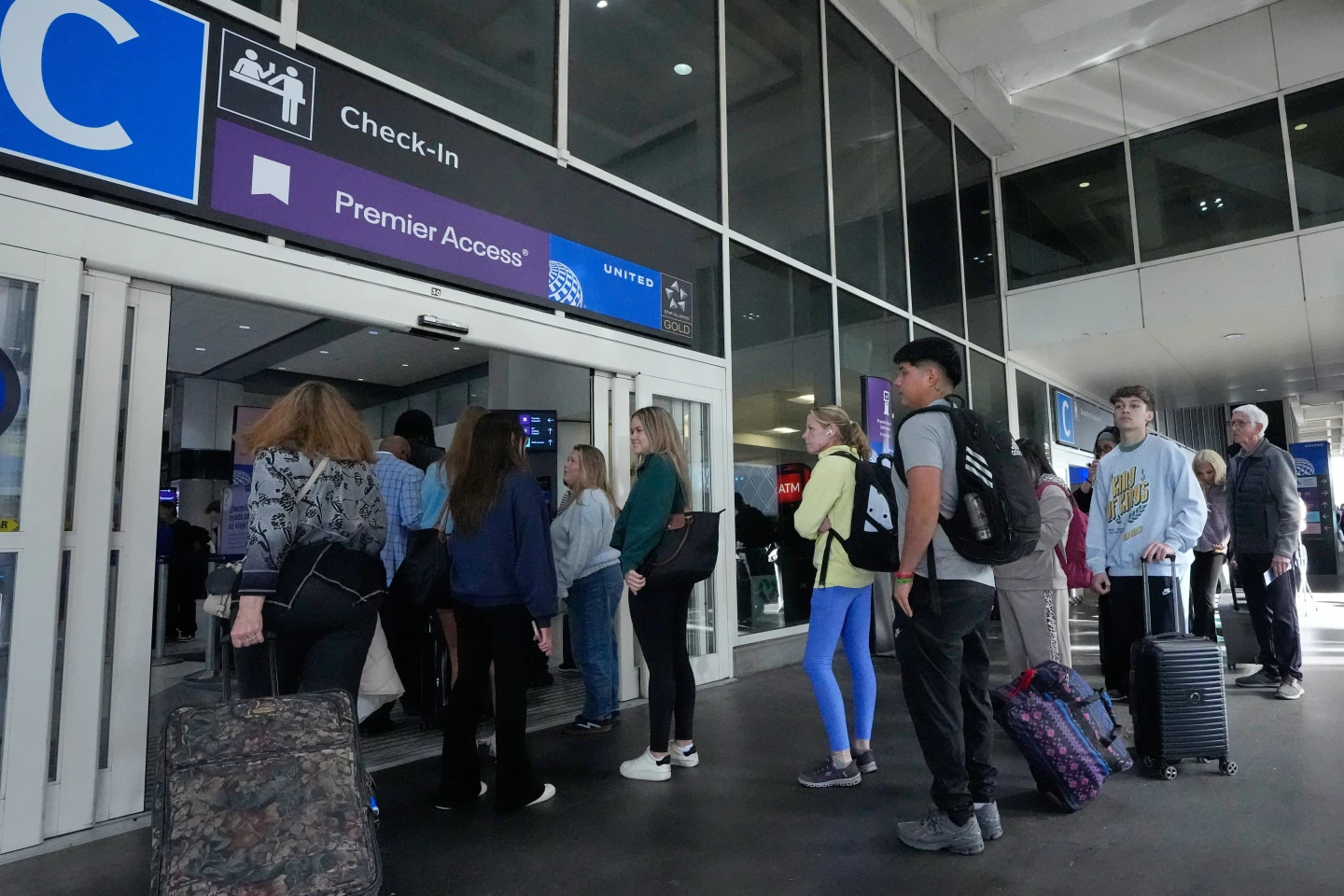
Trade organizations representing commercial airlines and the travel industry are warning that without DHS funding, travelers may face longer security lines and wait times, particularly as the busy spring travel season nears.
What's Different This Time?
Unlike previous shutdowns, where air traffic controllers remain funded, this lapse involves only the DHS budget, leaving air travel logistics intact but potentially straining TSA operations. However, the consequences of the shutdown might compound over time, with historical trends indicating that substantial delays tend to develop gradually as TSA resources become stretched.
John Rose, a chief risk officer for Altour, highlights that TSA workers' recent experiences are likely to influence how this situation unfolds. Those years of hard lessons could shape their response to the strain of working unpaid.
Traveler Implications
Travelers are encouraged to plan for the possibility of longer waits. This advice holds especially true for smaller airports where only a single security checkpoint may be operational—minor absences among TSA workforce could significantly delay processing times. Planning to arrive early and avoiding prohibited items in carry-on luggage is recommended.
As travelers monitor airport websites for security line wait times, it's crucial not to leave preparations until the last moment. A recommended practice is to check periodically for updates, as lines can evolve rapidly and lead to missed flights if travelers aren't vigilant about their preparations.
Looking Ahead
While government officials are in negotiations to resolve the shutdown, no resolution is guaranteed before Congress returns from a recess. Potential solutions and compromises hinge on stricter policies related to immigration enforcement, following recent incidents that have intensified discussions.
Travel organizations are voicing concerns that essential TSA personnel working unpaid heightens the risk of staff shortages, inevitably impacting the experience of air travelers at a critical time for the travel industry. The anticipation surrounding safety measures only compounds the current tension during a pivotal travel season.