Homeland Security Secretary Markwayne Mullin is facing intense scrutiny as his department reviews the plan to convert multiple warehouses across the U.S. into detention centers for immigrants. The plan, which already saw $1.074 billion spent on 11 facilities, has met with unprecedented opposition from local residents and officials.
Just days after Mullin's inauguration, the Department of Homeland Security (DHS) placed a halt on any new warehouse purchases intended for these detention facilities, alongside a thorough review of existing contracts from the previous administration under Kristi Noem.
In Arizona, a large warehouse purchased for $70 million near Phoenix is one example of the backlash. Officials state that they were not informed in advance about the transaction, which is set to hold an average of 1,000 to 1,500 detainees. The local mayor has since reported plans to start with only 250 people in comparison to the initial capacities planned.
Florida actively discussed converting a warehouse for detention purposes, but no updates have been communicated from federal officials. The silence has left local communities speculating and concerned about the implications.
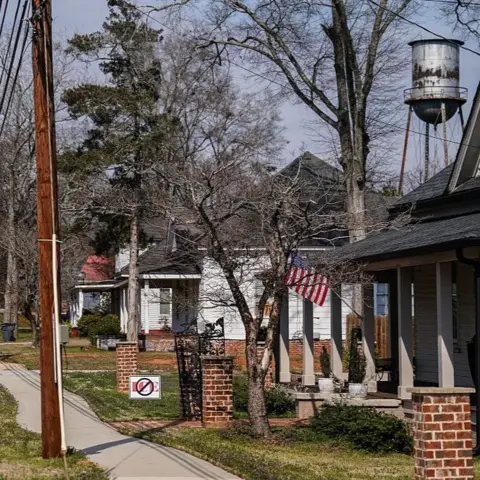
Meanwhile, cities in Georgia have voiced concerns, particularly in one community where the anticipated number of detainees could reach 10,000. Local officials expressed worry about their water supply, suggesting that trucking water in might be the only option.
A widespread feeling of distrust among communities has evolved as DHS conducts its operations without adequate communication. States are now taking legal action against the federal government, emphasizing the need for federal transparency and collaboration in their decisions. Many have pointed out that the decisions made by DHS affect the local population directly, including resource management and community infrastructure.
Some facilities in states like Indiana and Maryland have faced lawsuits, citing a lack of consultation from DHS. For instance, following the announcement of a detention center near Baltimore, the local attorney general initiated legal action, claiming community members were not kept in the loop.
With numerous States expressing their opposition, it remains uncertain how the DHS will proceed with their plans moving forward. Local officials and advocates are watching closely, pushing for a reconsideration of the strategy while raising concerns over the high financial outlay coupled with insufficient local consultation.