Moving English tests online for migrants who want a visa to come to the UK could open the door to fraudsters and criminal gangs, the largest international providers of English language exams have warned. Under the new £816m contract, which could be operational by December, English exams for Home Office visas would become 'fully digital' and could be sat at a location of an applicant's choosing. In a letter to the Home Office, the largest consortium of current providers warned Home Secretary Shabana Mahmood the move risked undermining her wider goals to secure UK borders. The letter, seen by the BBC, said there was a danger applicants would be able to fake test results with the help of imposters and AI. The Home Office said it would not comment in detail on a live tender and was still in the process of finding a provider who would meet the highest thresholds of data security and fraud prevention. Currently, migrants who want to study or work in the UK need to show they can speak English to internationally recognised standards by taking tests at one of more than 1,300 test centres around the world. But in November last year, the Home Office initiated a tender for 'fully remote' English tests to begin in December 2026. This system would allow migrants to choose where to take their test, providing that secure conditions were met. From January, those tests were made tougher, requiring evidence of A-level equivalent English proficiency for skilled work visas. Two-thirds of current in-person tests are administered by the IELTS consortium, comprised of the British Council, Cambridge University Press and Assessments, and IDP. In a recent letter, the consortium described the plans for remote English testing as 'incompatible' with the objective of improving security and integrity, stating that it would expose the immigration system to weaker security and greater opportunities for malpractice, emphasizing that remote exams face more cheating risk than in-person assessments. The current system offers more controlled conditions and helps ensure the integrity of language assessments essential for the UK immigration framework. The Home Office is actively exploring methods to enhance test security as the debate surrounding migration continues to evolve.
Concerns Raised Over Online English Tests for UK Migrants
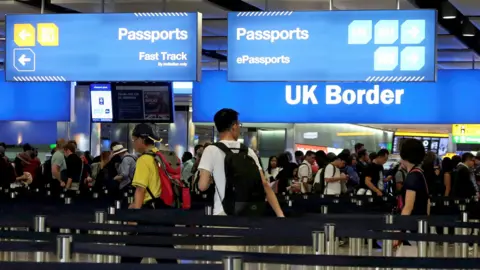
Concerns Raised Over Online English Tests for UK Migrants
Major English language exam providers warn that moving language tests online for visa applicants could lead to increased fraud and security risks.
English language exam providers have expressed significant concerns regarding the UK government's plan to move English tests for migrants online. They argue that fully digital tests could facilitate various forms of cheating, including the use of imposters and AI assistance. This transition, part of a £816m contract, is seen as a potential threat to the integrity of the UK's immigration system. Currently, applicants must take tests at certified locations, ensuring better oversight and security. The Home Office is still evaluating how to implement these changes while addressing security concerns.