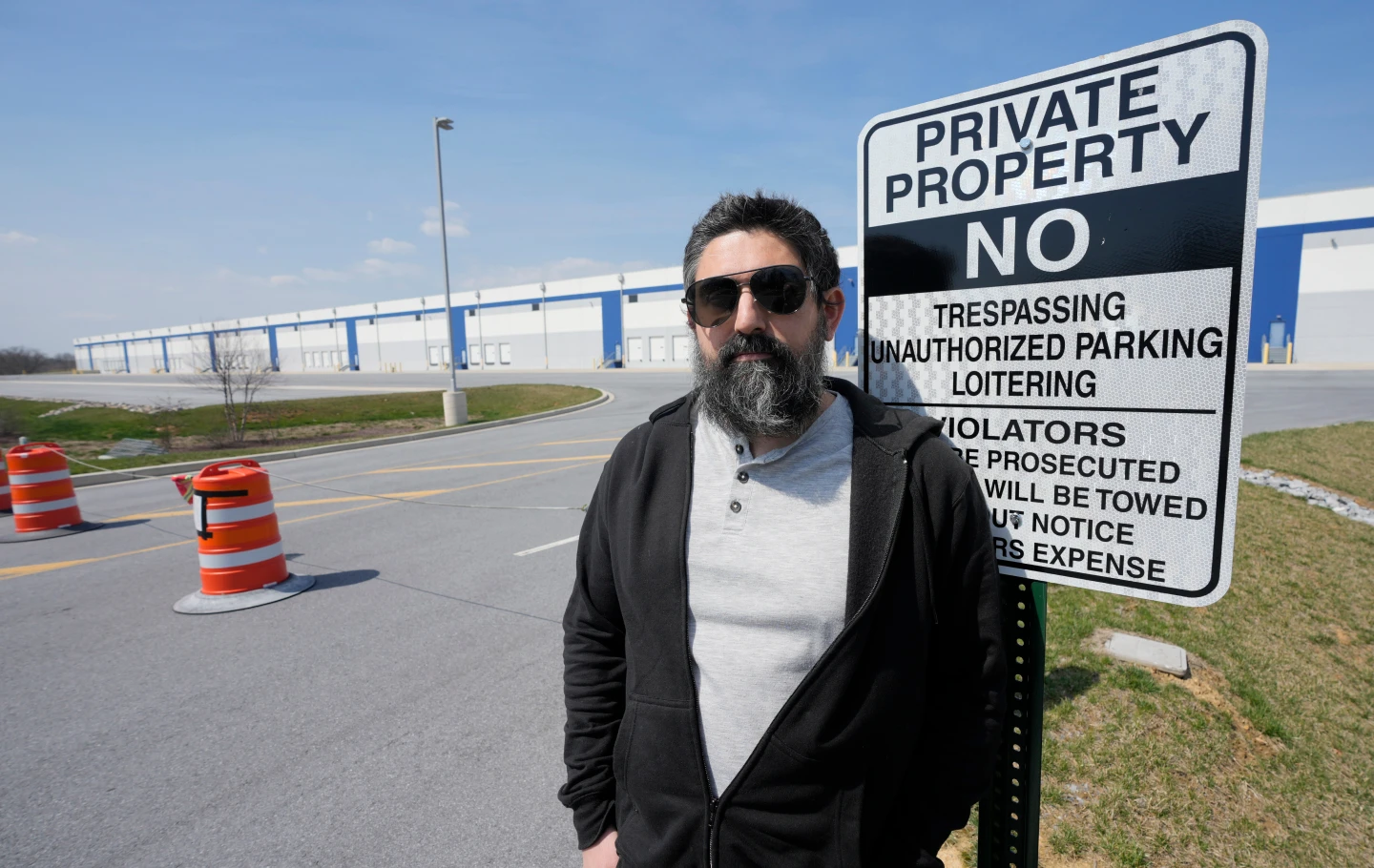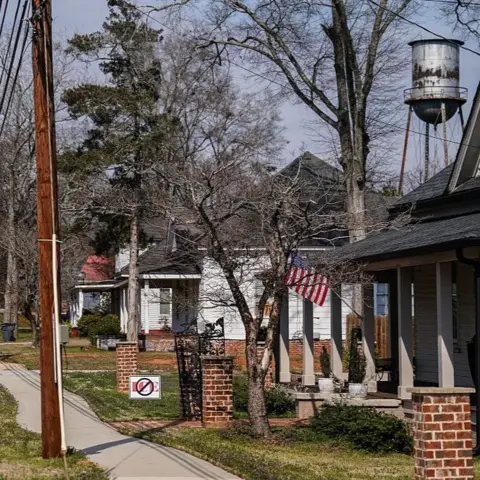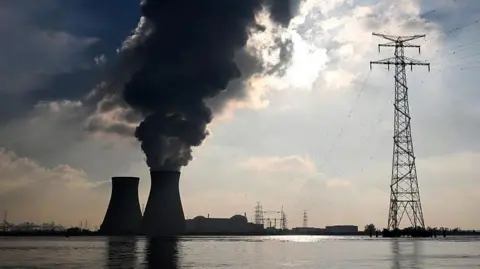
SPRING CITY, Pa. — As the demand for artificial intelligence and cloud computing surges, tech companies and developers are investing billions into sprawling data centers. However, these initiatives are increasingly facing strong opposition from communities across the United States who resist hosting these massive facilities in their neighborhoods.
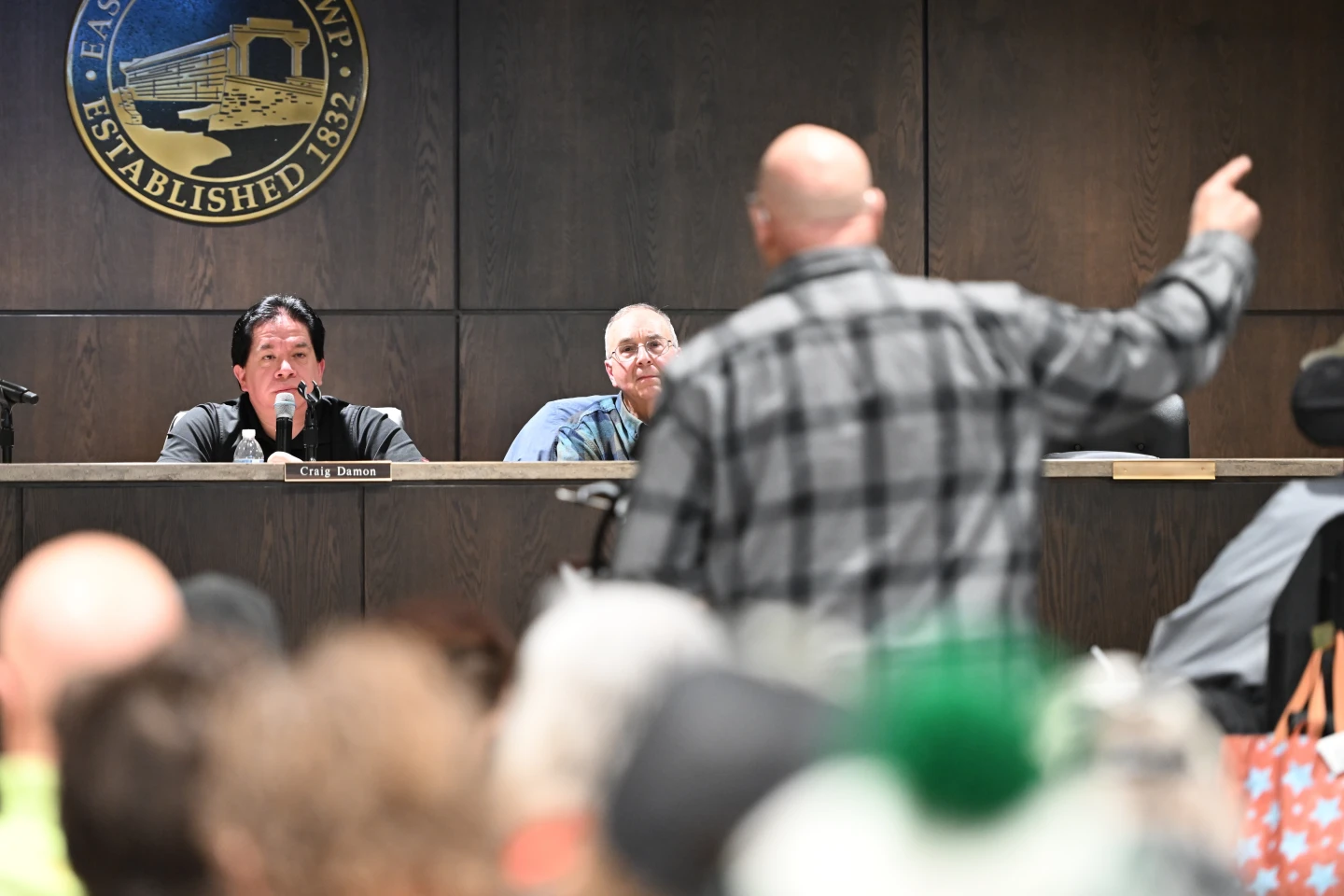
Municipal boards are finding themselves at the crossroads of these proposals, weighing the extensive energy and water demands of data centers against community sentiment. Local meetings, once tranquil gatherings in farming towns and suburban areas, are now overflowing with residents expressing their discontent over proposed data center developments.
Larry Shank, a concerned resident of East Vincent Township in Pennsylvania, resonated with many when he questioned local officials, asking, Would you want this built in your backyard? The question highlights a growing concern as communities become more aware of the potential impacts of such developments.
Opposition to data centers is not just localized but is becoming a widespread phenomenon. Industry expert Andy Cvengros noted that community pushback against data centers is escalating, with many developers experiencing high levels of resistance. Data Center Watch reported a significant influx of blocked or delayed proposals, citing nearly $98 billion worth in a recent report.
Many residents are also concerned about rising electric bills, the loss of green spaces, and potential adverse effects on property values and health, primarily due to the diesel generators associated with these facilities.
Big Tech companies like Microsoft, Google, and Amazon, investing heavily in data centers worldwide, are facing scrutiny over these developments. Despite their efforts, including environmentally friendly promises, many proposals face community-driven opposition that demoralizes potential local support.
Illustrating the divide, in Charlotte, North Carolina, a project facing a unanimous rejection due to overwhelming community opposition was withdrawn from the agenda. Developers expressed commitment to environmentally friendly initiatives, yet Mayor John Higdon reported feedback 999 to one against the proposal.
The emergence of social media as a tool for local organizing has only strengthened the resistance against data centers, as opponents bond over shared concerns and strategies. The secrecy surrounding many proposals exacerbates residents' frustrations, leading to drastic measures to advocate for transparency and local engagement.
As communities continue to push back against the expansion of data centers, developers are urged to adopt strategies that foster better relationships with the public, ensuring that projects align with the interests of local residents. This dominating trend of community resistance not only shapes the landscape of tech infrastructure development but also marks a new era in local governance and community engagement.
Municipal boards are finding themselves at the crossroads of these proposals, weighing the extensive energy and water demands of data centers against community sentiment. Local meetings, once tranquil gatherings in farming towns and suburban areas, are now overflowing with residents expressing their discontent over proposed data center developments.
Larry Shank, a concerned resident of East Vincent Township in Pennsylvania, resonated with many when he questioned local officials, asking, Would you want this built in your backyard? The question highlights a growing concern as communities become more aware of the potential impacts of such developments.
Opposition to data centers is not just localized but is becoming a widespread phenomenon. Industry expert Andy Cvengros noted that community pushback against data centers is escalating, with many developers experiencing high levels of resistance. Data Center Watch reported a significant influx of blocked or delayed proposals, citing nearly $98 billion worth in a recent report.
Many residents are also concerned about rising electric bills, the loss of green spaces, and potential adverse effects on property values and health, primarily due to the diesel generators associated with these facilities.
Big Tech companies like Microsoft, Google, and Amazon, investing heavily in data centers worldwide, are facing scrutiny over these developments. Despite their efforts, including environmentally friendly promises, many proposals face community-driven opposition that demoralizes potential local support.
Illustrating the divide, in Charlotte, North Carolina, a project facing a unanimous rejection due to overwhelming community opposition was withdrawn from the agenda. Developers expressed commitment to environmentally friendly initiatives, yet Mayor John Higdon reported feedback 999 to one against the proposal.
The emergence of social media as a tool for local organizing has only strengthened the resistance against data centers, as opponents bond over shared concerns and strategies. The secrecy surrounding many proposals exacerbates residents' frustrations, leading to drastic measures to advocate for transparency and local engagement.
As communities continue to push back against the expansion of data centers, developers are urged to adopt strategies that foster better relationships with the public, ensuring that projects align with the interests of local residents. This dominating trend of community resistance not only shapes the landscape of tech infrastructure development but also marks a new era in local governance and community engagement.