Civilian Toll Rises in Tehran Amid Ongoing Strikes: An Inside Look
A mother stands by the rubble, crying out for her daughter.
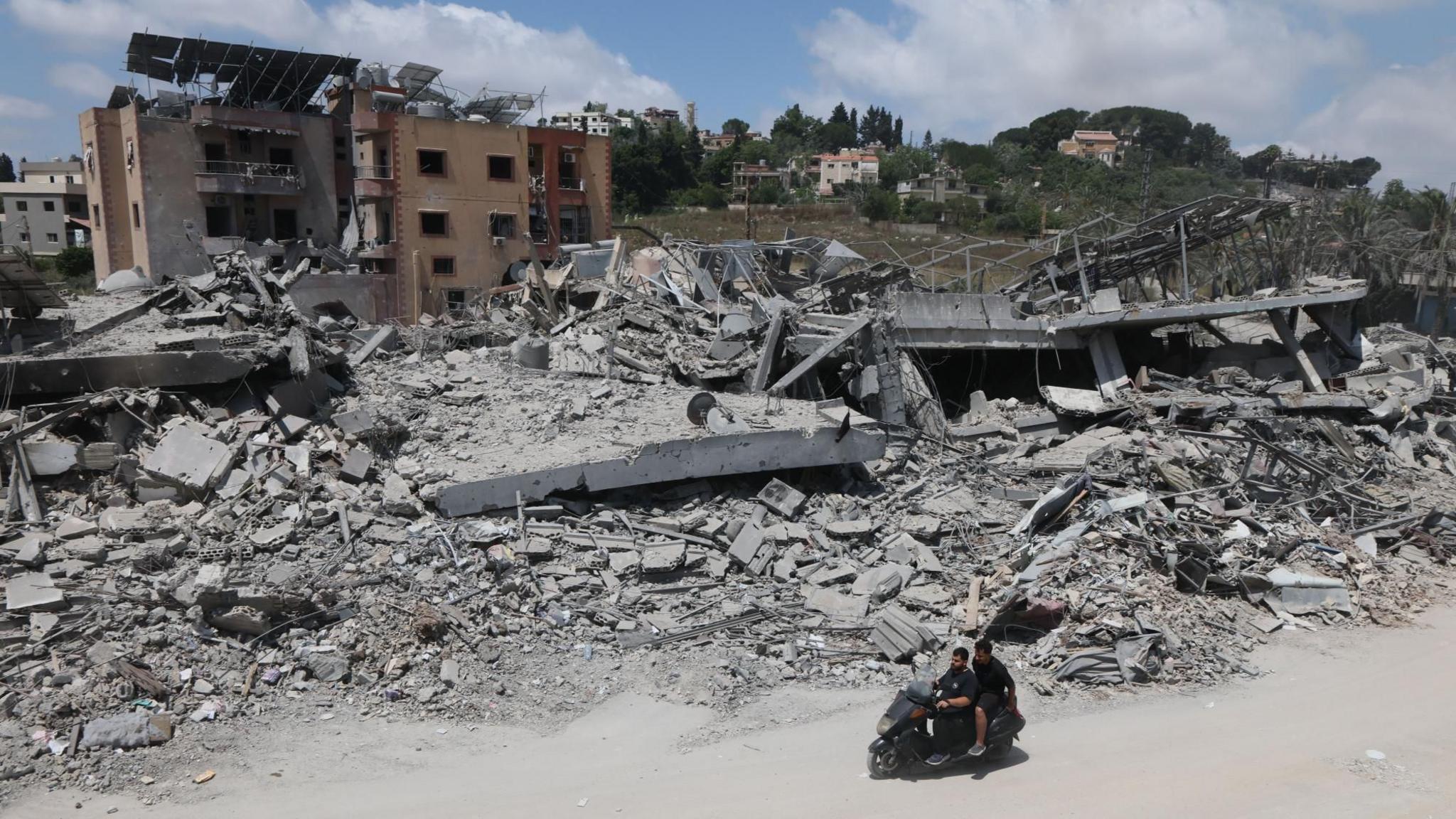
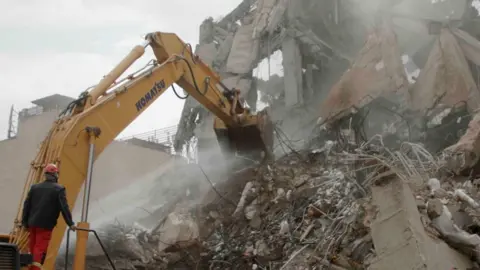
For days she has been waiting for rescue workers to dig through the flattened remains of what was once her daughter's flat in Resalat, a residential district in eastern Tehran.
They don't have the manpower to get her out, the woman laments. My daughter is under the rubble... she's afraid of the dark.
For a month, Iran has been at war with the United States and Israel, who have been carrying out strikes across the country at targets linked to the regime. But these attacks are also having a devastating impact on civilians living nearby, caught between bombardment and a repressive regime.
Exclusive footage from independent journalists inside Tehran reveals the severity of the human cost. The BBC is seldom given access to Iran; hence their reporting primarily draws from eyewitness accounts and satellite imagery.
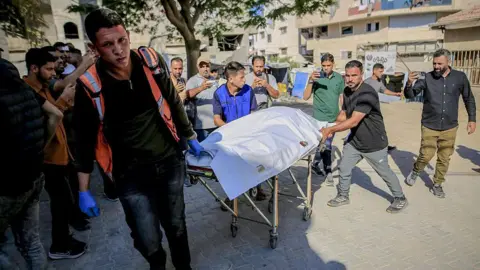
One building in Resalat, destroyed during an Israeli airstrike, was home to many families. Days after the strike, two lives were lost—those of a woman and her young daughter—while the father survived.
Witnesses of other strikes detail multiple explosions in quick succession, leaving many injured or homeless. Local authorities estimate that 40 to 50 individuals perished in a single attack.
The Israel Defense Forces (IDF) stated the destruction was aimed at a military building associated with Iran's Basij paramilitary force, but it’s evident that the fallout has impacted various civilian neighborhoods.
Military experts suggest the IDs could be deploying large bombs, particularly the Mark 84, which are not only devastating but also unfit for densely populated areas under international humanitarian law.
The Human Rights Activists News Agency has reported over 1,400 civilian deaths, including many children, since the war began. As strikes continue, residents express growing anger—not only towards foreign attackers but also towards Iranian authorities, criticizing their failure to provide adequate safety measures.
Strikes are not isolated incidents; they have hit numerous civilian infrastructures, causing deep-seated resentment even among previously critical demographics of the Iranian government.
There are no sirens, no warnings, one resident explained, describing a landscape of fear where the next strike could come at any moment.
As the humanitarian crisis unfolds, the reported losses underscore a growing sense of vulnerability among Tehran’s civilians, who are left to reckon with a devastating reality where no place feels safe.