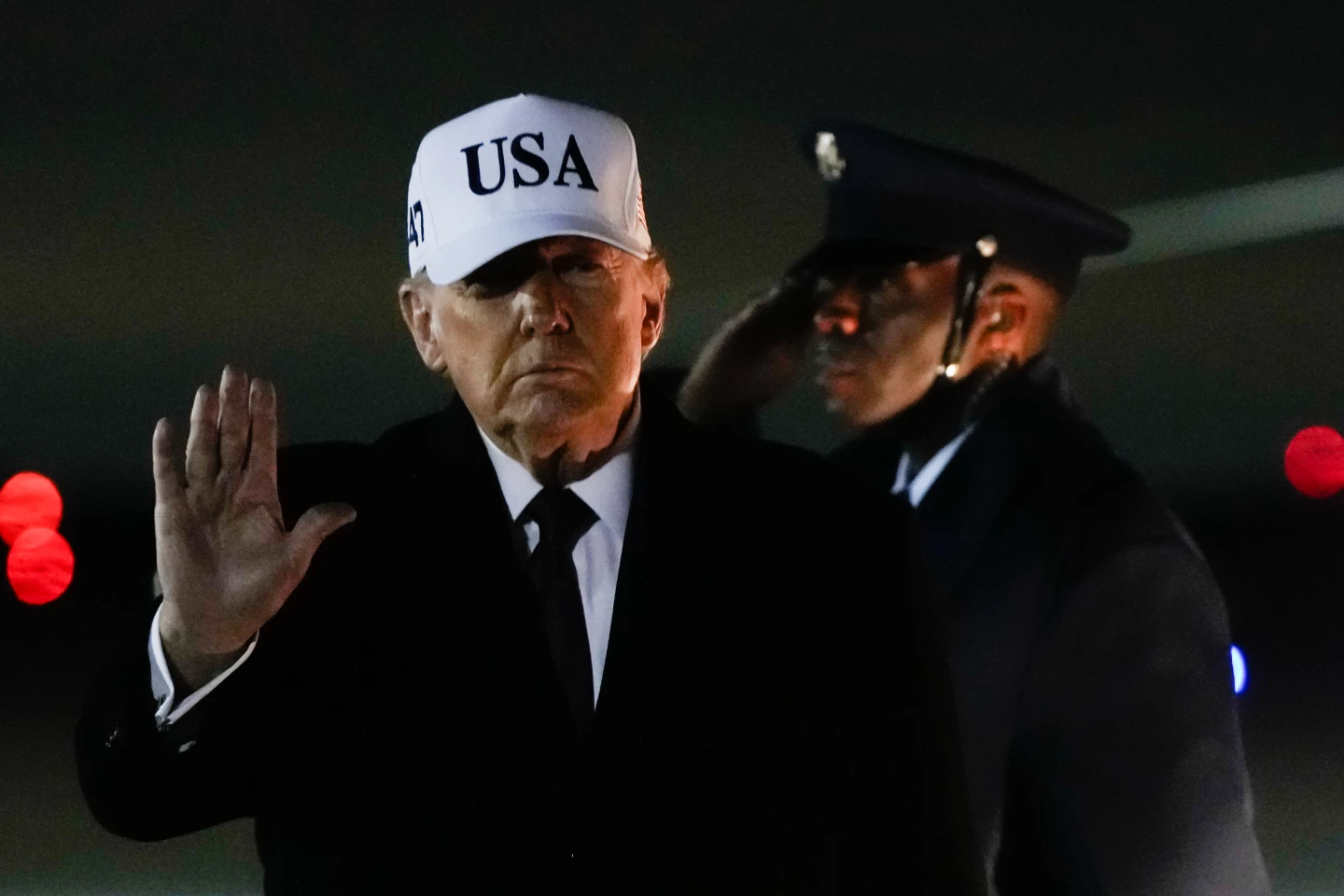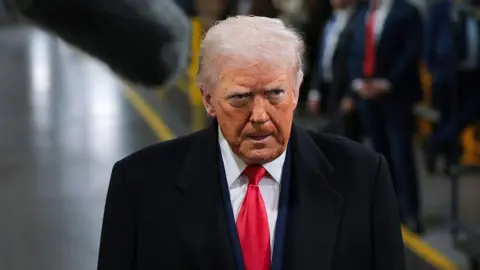
On the face of it, the announcement of phase two of President Donald Trump’s peace plan for Gaza would seem like progress.
However, there remains a significant lack of clarity regarding the future of the strip and its 2.1 million residents. What is clear, though, are the numerous pitfalls that lie ahead.
First, Trump’s plan demands that Hamas, along with other armed groups in Gaza, agree to disarm. US Special Envoy to the Middle East, Steve Witkoff, has warned that failure to comply could lead to serious consequences. Yet, Hamas has firmly refused to relinquish its weapons, viewing them as essential for resisting Israel's long-standing military occupation. Should this stance persist, there are far-right factions within Israeli Prime Minister Benjamin Netanyahu’s coalition eager to resume hostilities.
Despite suffering military setbacks, US intelligence suggests Hamas has outpaced its losses, potentially recruiting more members than those killed during the violence. The ceasefire, which has been in effect since October, remains tenuous, with both factions accusing each other of repeated violations.
In the meantime, over 450 Palestinians have reportedly died due to Israeli strikes since the ceasefire began, according to Gaza's health ministry, while the Israeli military has recorded three deaths among its soldiers caused by Palestinian armed groups.
The second issue concerns the ambiguity surrounding Israel’s military presence in Gaza. The Israeli government has not indicated readiness to withdraw completely, insisting on a continued strong security presence. Remarks by Israeli officials suggest a newly established reality on the ground, with no return to pre-conflict conditions since Hamas’ attack two years ago.
Further complicating matters is the question of governance—who will manage Gaza if Hamas is sidelined? Proposals for an International Stabilization Force have emerged, with various nations and the West Bank-based Palestinian Authority floated as contributors, although none have committed thus far. Any perceived as 'arriving on the back of Israeli tanks' would likely face resistance from Gaza's populace.
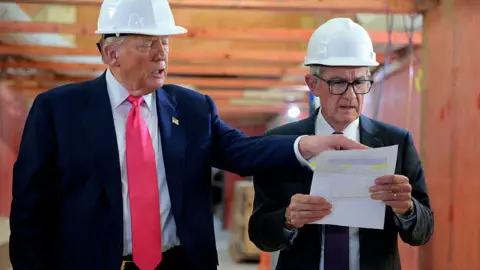
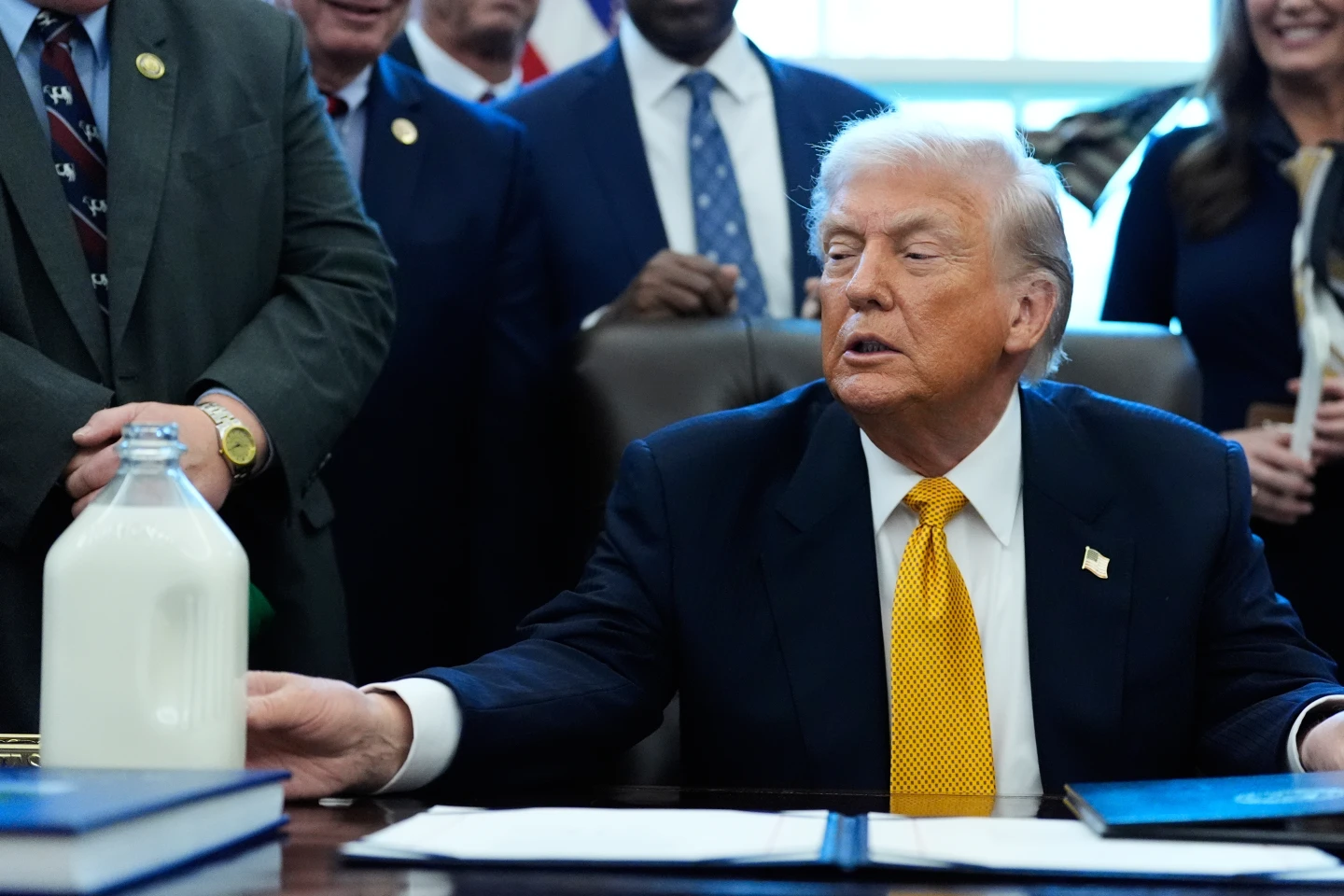
According to Trump’s peace plan, Gaza will be governed at three levels. The lowest tier will consist of a technocratic government composed of local civil society figures, with Hamas reportedly excluded. Above it will be an Executive Committee based outside Gaza, potentially consisting of non-Palestinians, including controversial figures like former British Prime Minister Tony Blair. Finally, a Board of Peace—chaired by Trump—will oversee these operations, raising concerns over foreign influence and perceived colonialism.
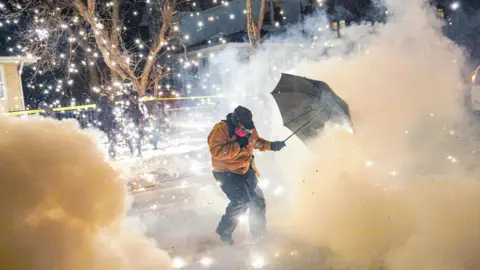
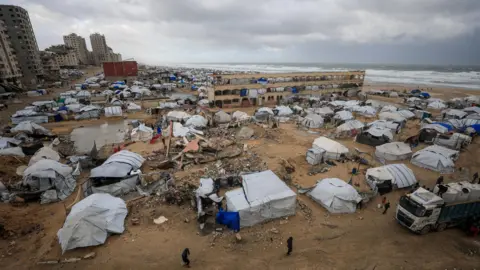
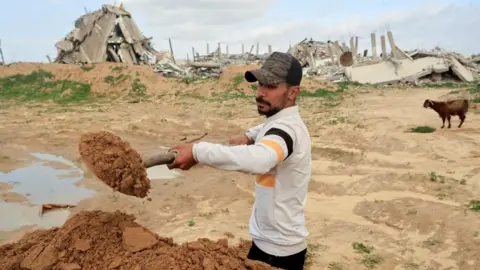
The humanitarian situation exacerbates these governance questions. Despite some increases in aid entering Gaza since the ceasefire, organizations warn it is insufficient for the dire needs of its residents. Many are homeless in makeshift shelters, grappling with harsh winter conditions leading to flooding and destruction of tents and homes.
With more than two years of disrupted education, the bleak outlook ignites a sense of hopelessness among Gazan children. While the second phase of Trump’s initiative may signify steps forward, lingering doubts about its feasibility and the future of Gaza loom large.