In brief
Prime Minister Mark Carney’s last‑minute walk away from a tentative trade agreement with President Trump marks a turning point in Canada’s relationship with the United States. Carney condemned the U.S. tariffs as a miscalculation designed to 'hurt and divide us,' saying Canada would need to retaliate to secure long‑sighted concessions. The decision delays any resolution to escalating trade disputes—especially over the automobile sector—and could ripple across Canada’s provinces, with polling showing 56% of Canadians favour a hard line. While the U.S. imposes fresh duties on Canadian goods, Ottawa’s withdrawal creates economic uncertainty for exporters and travel, and the impact of provincial bans on alcohol imports has already cut U.S. spirits sales by over 70%. As Parliament and provincial leaders brace for a standoff, the stand‑off could test the future of U.S.–Mexico‑Canada free‑trade negotiations and Canada's broader economic policy.
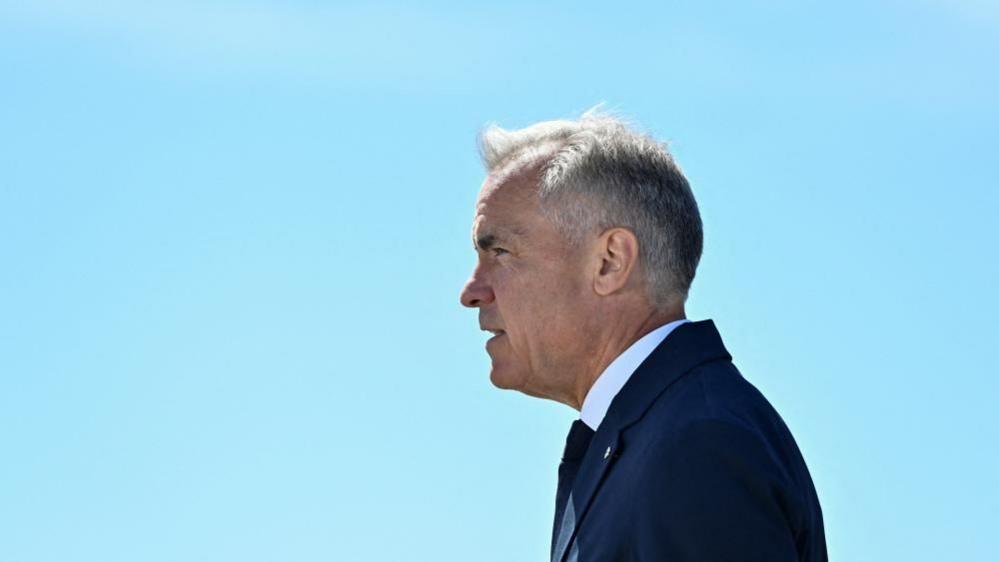
Prime Minister Mark Carney has taken a bold move, abandoning trade negotiations with President Donald Trump after the U.S. announced fresh tariffs that could deeply impact Canada.
The decision represents the first time a world leader has walked away from a U.S. table after promising talks, signalling a clear stance that Canada will not accept unjust economic pressure. Carney described the new U.S. terms as a "miscalculation designed to hurt and divide us," and asserted that “Canada is strong, Canada is ready, Canada is united.”
The bilateral trade quarrel stresses both nations’ economies—Canada exports 70% of its goods to the United States, and state-level exposure is high in Michigan, Kentucky, Indiana and Ohio. Recent policy reversals, including provincial bans on American spirits and reductions in U.S. wine exports to Canada, have reported losses of $357 million in export value.
Public sentiment backs a hard‑line approach. A 2023 Abacus Data survey found 36% of Canadians would support retaliation, while a Leger poll indicated 56% favor a tough stance over concessions. Travel bans and consumer boycotts have already cost the U.S. about C$3.3 billion in tourism revenue.
Carney warned that the U.S. “asked too much, offered too little,” particularly in the automotive sector, calling out the administration’s late‑night pressure tactics as evidence of a power play. U.S. trade representative Jamieson Greer countered that new demands had undermined prior commitments.
Provincial leaders remain united behind the federal push, with Ontario Premier Doug Ford and British Columbia Premier David Eby supporting a collective national strategy. Opposition, however, cautions that agreed concessions could open the door to further U.S. demands, potentially jeopardising Canada’s industrial base.
Implications
The collapse calls into question not only immediate trade talks but also the future of the U.S.–Mexico–Canada free‑trade agreement’s review. Carney’s move will likely force a hard‑talk approach, weighing short‑term losses against long‑term balance‑of‑trade gains.
As Canada and its provinces prepare for the ensuing economic fallout, the global community watches closely to see whether the U.S. response will settle the dispute or deepen the standoff.