Canada Imposes Up to 50% Tariffs on US Goods, Escalating Trade Conflict
Toronto announced next‑month retaliatory tariffs on more than 900 U.S. products, reaching as high as 50%. The move is a direct response to President Donald Trump’s last‑week announcement of duties on Canadian imports.
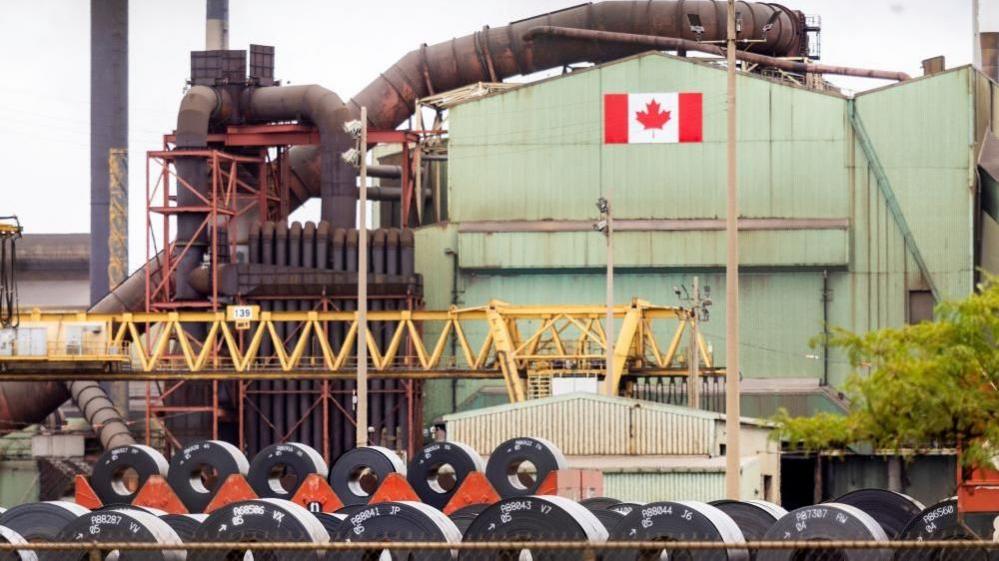
Canadian officials said the new tariffs will affect roughly C$28 billion ($20 billion) of U.S. goods, including steel, furniture, fresh tuna, cotton T‑shirts and other items. The duties, listed on a state‑issued counter‑tariff schedule, will come into effect on September 8. The Canadian business community has now been offered an additional C$7.5 billion in support programmes to mitigate job losses.
The escalation follows a collapse of U.S.‑Canada trade talks late last week, amid accusations that each side made unreasonable demands. Finance Minister François‑Philippe Champagne called Canada’s response “proportionate” and “strategic.” He warned Canadian workers, businesses and communities that the tariffs will have real‑world consequences.
Key U.S. goods targeted by the Canadian retaliation include:
- 50% duty on steel and aluminum products previously subject to 25% counter tariffs.
- 50% duty on items such as natural honey, furniture, clothing and apparel, and cosmetics.
- 25% duty on appliances, dairy products, fish, seafood, and certain steel and aluminum derivatives.
- 15% duty on selected tools and machinery, including forklifts and air‑conditioning units.
The Canadian strategy was to target goods that consumers and companies can source elsewhere, aiming to limit domestic hardship. Yet the trade fight threatens to increase costs along supply chains that have spanned decades, potentially leading to higher prices for Canadians.
Public sentiment remains largely supportive of the government, but questions linger about the origin of the trade breakdown, with opposition parties insisting that the full draft accord with the U.S. be made public. Businesses across North America now caution against the prospects of a prolonged trade war with the U.S., their largest trading partner.
While both sides have attempted to soften rhetoric today, the sharp rhetoric of last week—including President Trump’s public threats to raise tariffs on Canadian auto parts to 50% and Canada’s promise to send a warning to the U.S.— underscores the volatility of the situation. Some leaders have urged a return to negotiations, hoping to salvage the USMCA agreement and strengthen the broader North American economic framework.